
2 Pack Garage Emergency Release Pull Rope Cord Handle Kit 41A2828 Garage Opener, Garage Chamberlain
- Manual Release Rope and Handle Replacement Kit. 1M(39.37 inches)Emergency Release Pull Cord
- 1M(39.37 inches)Emergency Release Pull Cord
- Compatible:8557 3/4 HP AC Belt Drive GDO, 8550W DC Battery Backup Belt Drive Wi-Fi GDO, 8550 DC Battery.
- Compatible: 3240 ½ HP AC Screw Drive GDO, WLED DC Battery Backup Belt Drive LED Wi-Fi GDO, 8355 ½ HP AC.
A loud snap from above the garage door, or a sudden inability to move the door manually, might mean your garage door opener's emergency release lever is stuck. This lever is a vital safety feature, allowing you to disconnect the door from the opener during power outages or malfunctions. When it refuses to budge, you cannot operate the door by hand, leaving your vehicle trapped or your garage unsecured.
Before attempting any repairs, always prioritize safety. Garage doors operate under extreme tension, especially from the springs. Improper handling can cause serious injury. If you suspect a broken spring, do not attempt to open or close the door, and do not pull the emergency release lever. Call a professional immediately. For more information on spring issues, you can read our guide on Broken Garage Door Spring: What to Do Right Now (And What Not To).
Understanding the Emergency Release Lever
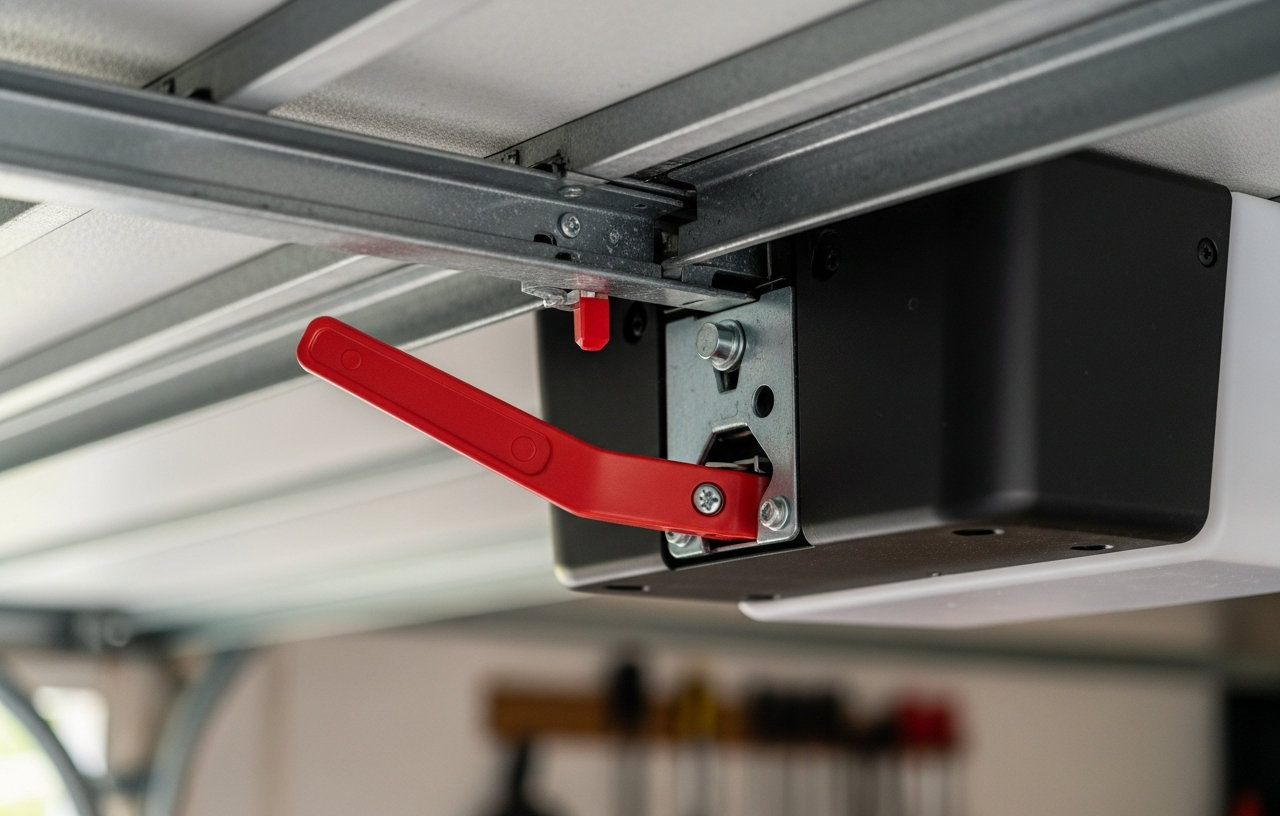
The emergency release lever is typically a red handle connected to a rope, which in turn connects to a spring-loaded pin within the opener's trolley. This trolley moves along a rail, pushing or pulling the garage door. When you pull the lever, it retracts the pin, disconnecting the door from the opener. The door should then be movable by hand.
Common Reasons Your Emergency Release Lever Gets Stuck
Several factors can cause the emergency release lever to bind or refuse to release the door. We will start with the most common and potentially dangerous causes.
1. The Garage Door is Under Extreme Tension (Most Common)
If the garage door is not balanced, or if a spring is broken, the door will be under immense tension. Pulling the emergency release lever in this situation is extremely dangerous. The door could slam shut unexpectedly, or the opener could be damaged. The lever itself may feel impossible to pull because the trolley is being pulled or pushed with excessive force against the opener rail.
- How to check: With the garage door closed, look at your torsion or extension springs. A broken torsion spring will often have a visible gap in the coil. Extension springs may appear stretched or have a broken safety cable. If the door is partially open and the lever is stuck, it is a strong indicator of a spring issue.
- The fix: Do not attempt to fix this yourself if you see a broken spring. Call a qualified garage door technician. Spring replacement is dangerous and requires specialized tools and knowledge. A service call alone might cost $80-$150. For more details on costs, see our article on .
2. Damaged or Misaligned Trolley
The trolley is the component that travels along the opener's rail, connecting the opener to the garage door. If the trolley is bent, jammed, or off its track, the emergency release pin might be unable to retract, making the lever feel stuck.
- How to check: Examine the trolley carefully. Is it sitting squarely on the rail? Are any parts bent or broken? Look for obstructions around the trolley or the rail itself. Sometimes, a small piece of debris can prevent smooth movement.
- The fix: If the trolley is slightly misaligned, you might be able to gently nudge it back into place. Use a sturdy ladder for access. If it is bent or severely damaged, it will need replacement. This can be a DIY project for mechanically inclined homeowners, but it might require disassembling part of the opener rail. Replacement trolleys usually cost $20-$50 for the part. Professional repair might cost $150-$300, including parts and labor.
3. The Emergency Release Pin is Seized or Damaged
The pin itself, which engages with the garage door, can sometimes seize up due to corrosion, lack of lubrication, or physical damage. This prevents it from retracting when the lever is pulled.
- How to check: Inspect the pin where it connects the trolley to the door's top bracket. Look for rust, debris, or any visible damage. Try to move it gently by hand (only if the door is fully closed and appears balanced).
- The fix: Apply a silicone-based lubricant or white lithium grease to the pin and its surrounding mechanism. Work the lever a few times to help the lubricant penetrate. If the pin is bent or broken, the entire trolley assembly might need replacement. This often requires professional assistance.
4. Frayed, Broken, or Incorrectly Installed Pull Rope/Handle
While the lever itself might not be stuck, the rope connecting it to the release pin might be the problem. If the rope is frayed, tangled, too short, or has a broken handle, it cannot properly activate the release mechanism.
- How to check: Visually inspect the entire length of the red pull cord and its connection points. Is the rope securely attached to both the handle and the release pin? Is it tangled around any other components? Is the handle missing?
- The fix: If the rope is damaged or missing, you can replace it. This is a simple DIY task. You will need a new pull rope and handle kit. The 2 Pack Garage Emergency Release Pull Rope Cord Handle Kit 41A2828 Garage Opener, Garage Chamberlain is a reliable option. It includes a 1-meter (39.37 inches) emergency release pull cord and handle, compatible with many Chamberlain, LiftMaster, and Craftsman models such as the 8557 3/4 HP AC Belt Drive GDO, 8550W DC Battery Backup Belt Drive Wi-Fi GDO, and 8550 DC Battery. Simply remove the old rope (if any) and thread the new one through the release mechanism, securing it with a knot.
5. Obstruction in the Release Mechanism
Sometimes, a foreign object can get lodged within the release mechanism, preventing the pin from moving freely. This is less common but can happen.
- How to check: Carefully examine the area where the release pin connects to the trolley. Use a flashlight to look for any debris, small tools, or even insect nests that might be blocking the movement.
- The fix: Remove any visible obstructions. Use a pair of needle-nose pliers or tweezers if the object is difficult to reach.
6. Misaligned Garage Door or Track Issues
If the garage door itself is off its tracks or severely misaligned, it can create excessive pressure on the opener and its trolley system. This binding force can make the emergency release lever feel stuck, as the trolley is under too much strain to release.
- How to check: Look at the door rollers and tracks. Are the rollers securely inside the tracks? Are the tracks bent or damaged? Does the door look level when closed? For more help, you can review our article on Garage Door Won't Open? 8 Causes and How to Fix Each One.
- The fix: Fixing a garage door off its tracks can be complex and dangerous. While minor track adjustments might be DIY-friendly, a door that has completely come off its track or has severely bent sections usually requires a professional. Expect professional repair costs for track issues to range from $150-$400, depending on the severity.
When to Call a Professional
While some issues with a stuck emergency release lever are manageable for a DIY enthusiast, certain situations always warrant calling a professional garage door technician. These include:
- Broken Springs: This is the most dangerous repair and should only be handled by trained experts.
- Severely Bent or Damaged Tracks/Rollers: If the door itself is binding or off its tracks, it requires specialized knowledge to correct safely.
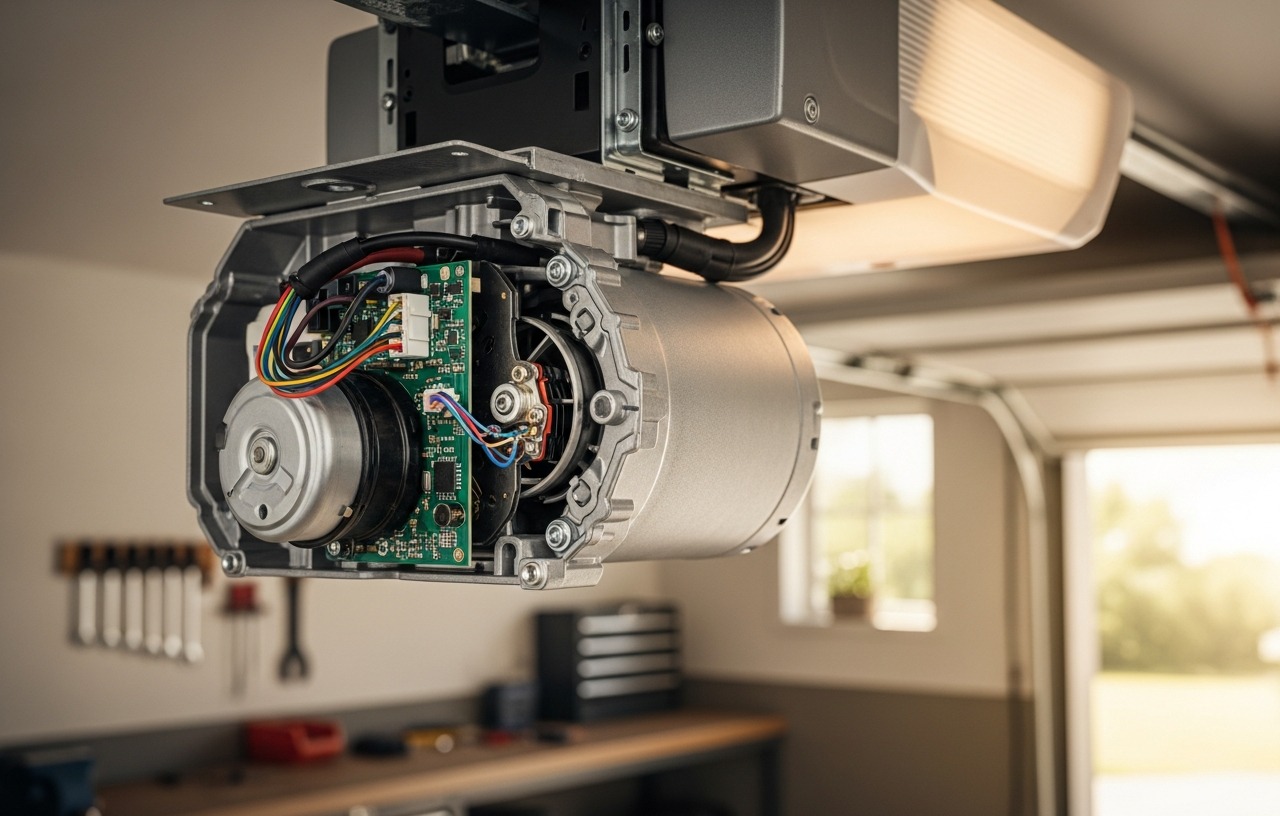
- Internal Opener Malfunctions: If you suspect the problem is deep within the opener's motor or gear assembly, it is best to consult a professional. You might find our guide on Garage Door Opener Not Working: 9 Fixes Before You Call Anyone helpful for general opener issues.
- Any situation where you feel unsafe: If you are unsure about the diagnosis or uncomfortable performing the repair, do not hesitate to call for help.
A professional technician can diagnose complex problems accurately and perform repairs safely. Service call fees typically run $80-$150, with additional costs for parts and labor. For complex repairs, the total cost could range from $200-$600 or more, depending on the specific issue.
Prevention Tips
Regular maintenance can help prevent the emergency release lever from getting stuck in the future:
- Lubricate Moving Parts: Annually apply silicone spray or white lithium grease to the trolley, rollers, hinges, and springs. This reduces friction and prevents corrosion.
- Inspect Springs Regularly: Visually check your springs for signs of wear or damage.
- Check Door Balance: With the opener disconnected (only if springs are in good condition), raise the door halfway. It should stay in place without assistance. If it drops or flies up, the springs need adjustment by a professional.
- Keep Tracks Clear: Ensure the garage door tracks are free of debris and obstructions.
Addressing these maintenance tasks will extend the life of your garage door system and help prevent unexpected issues with the emergency release lever.
2 Pack Garage Emergency Release Pull Rope Cord Handle Kit 41A2828 Garage Opener, Garage Chamberlain
- Manual Release Rope and Handle Replacement Kit. 1M(39.37 inches)Emergency Release Pull Cord
- 1M(39.37 inches)Emergency Release Pull Cord
- Compatible:8557 3/4 HP AC Belt Drive GDO, 8550W DC Battery Backup Belt Drive Wi-Fi GDO, 8550 DC Battery.
- Compatible: 3240 ½ HP AC Screw Drive GDO, WLED DC Battery Backup Belt Drive LED Wi-Fi GDO, 8355 ½ HP AC.