A broken garage door opener trolley can bring your garage door operation to a halt. Replacing this component typically costs $40 to $100 for the part if you choose to do it yourself. $220 and $550, which includes the part, labor, and a service call fee.
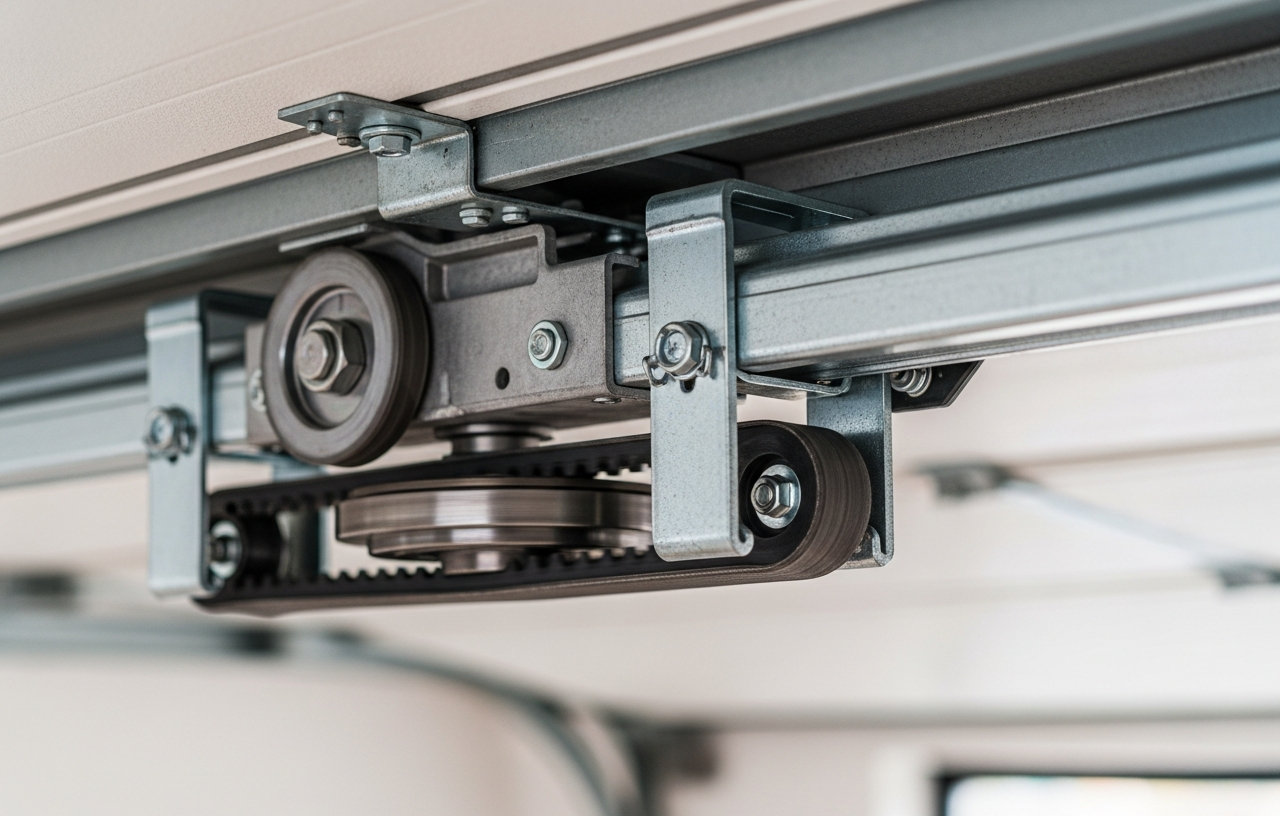
It slides along the rail, pulling the door open and pushing it closed. When it fails, the door often stops moving, gets stuck, or makes unusual noises.
Understanding the Garage Door Opener Trolley
The trolley is a small, but vital, piece of your garage door opener system. It's the part that travels along the opener rail, attached to the chain, belt, or screw drive. A J-arm or curved door arm connects the trolley to the top of your garage door. As the opener motor spins, it moves the chain, belt, or screw, which in turn moves the trolley. This movement is what lifts and lowers the garage door.
Common Signs of a Failing Trolley
- Door doesn't move: The most obvious sign is when the opener motor runs, but the door remains stationary. This often happens if the trolley has separated from the drive mechanism or the door arm.
- Loud grinding or clicking: If the trolley's internal gears or connection points are stripped or damaged, you might hear grinding noises as the opener tries to engage.
- Door opens unevenly or jams: A damaged trolley can cause the door to bind or get stuck partway through its travel.
- Visible damage: Inspect the trolley itself. Look for cracks, bent metal, or broken plastic components. The pin connecting the door arm might be sheared off.
Before assuming the trolley is the problem, always check other common issues. Sometimes, a door that won't open points to a sensor problem or a malfunctioning opener motor. You can find more troubleshooting steps in our guide on Garage Door Opener Not Working: 9 Fixes Before You Call Anyone.
DIY Garage Door Opener Trolley Replacement Cost
Replacing a garage door opener trolley yourself can save a significant amount of money. The primary cost is the replacement part itself. This repair is moderately difficult, requiring some comfort with basic tools and working with mechanical systems.
Cost of the Trolley Part
The price of a new trolley varies based on the brand of your garage door opener and where you purchase the part:
- Online Retailers (Amazon, specialized parts sites): Expect to pay $40 to $80 for most common brands like LiftMaster, Chamberlain, Craftsman, or Genie. Generic compatible trolleys might be slightly cheaper.
- Local Hardware Stores/Home Centers: These stores may stock universal trolleys or specific brand parts. Prices typically range from $50 to $100, sometimes slightly more due to local markup and immediate availability.
- Garage Door Supply Houses: If you have a professional supply store nearby, you might find a wider selection and competitive pricing, often around $45 to $90.
Check your opener's model number, usually found on a label on the motor unit, before ordering parts.
Tools Needed for DIY Replacement
Most homeowners already own the basic tools required for this job. If not, these are relatively inexpensive purchases:
- Wrenches or Socket Set: For loosening and tightening bolts (e.g., for the door arm).
- Screwdrivers: Phillips and flathead, for various fasteners.
- Pliers: Helpful for gripping and manipulating small parts.
- Stepladder: To safely reach the opener and rail.
- Safety Glasses: Always recommended when working with tools.
The total cost for tools, if you need to buy them, might be $0 to $50. This assumes you are buying basic hand tools, not power tools.
Time Commitment for DIY
For an experienced DIYer, replacing a garage door opener trolley might take 1 to 2 hours. If you are new to garage door repairs, plan for 2 to 4 hours, especially if you encounter unexpected challenges or need to consult your opener's manual.
Professional Garage Door Opener Trolley Replacement Cost
Hiring a professional ensures the job is done correctly and safely, especially if you are uncomfortable working with garage door components. The cost for professional service includes three main components: the service call fee, labor, and the cost of the part.
Service Call Fee
Most garage door companies charge a service call fee simply for sending a technician to your home. This fee covers their travel time and initial diagnostic work. $80 to $150. Some companies may waive this fee if you proceed with the repair.
Labor Cost
Garage door technicians usually charge an hourly rate or a flat fee for specific repairs. Replacing a trolley is a fairly common repair. Labor costs for this job usually fall between $75 and $250. This range accounts for 1 to 2 hours of work at typical hourly rates of $75 to $125 per hour. The technician will also test the door's operation and make any necessary adjustments.
Cost of the Part (Professional)
When a professional supplies the part, they often mark up the price. This covers their inventory costs and the convenience of having the right part on hand. Expect to pay between $60 and $150 for the trolley part when purchased through a technician. This is generally higher than buying it yourself online.
Total Professional Replacement Cost
$220 to $550. This includes the service call (approximately $80-$150), labor (approximately $75-$250), and the part (approximately $60-$150).
When to DIY vs. Call a Pro
Deciding whether to DIY or hire a professional depends on your comfort level, experience, and the specific circumstances of the repair.
DIY Makes Financial Sense If:
- You are mechanically inclined: If you have experience with home repairs and understand how mechanical systems work, replacing a trolley is a manageable task.
- You have the right tools: Possessing basic hand tools makes the job much easier and avoids additional expenses.
- The part is easily accessible: If you can quickly identify and order the correct trolley for your opener model, DIY is a strong option.
- You have sufficient time: Allocate a few hours to complete the repair without rushing.
- Cost savings are a priority: Saving $150 to $450 by doing it yourself is a significant incentive.
When to Call a Professional:
- Lack of experience or confidence: If you are unsure about working with garage door components, it is safer to call a professional. Garage doors can be heavy and under tension.
- Time constraints: If you need the repair done quickly and do not have time to troubleshoot or perform the work, a professional can often respond within a day.
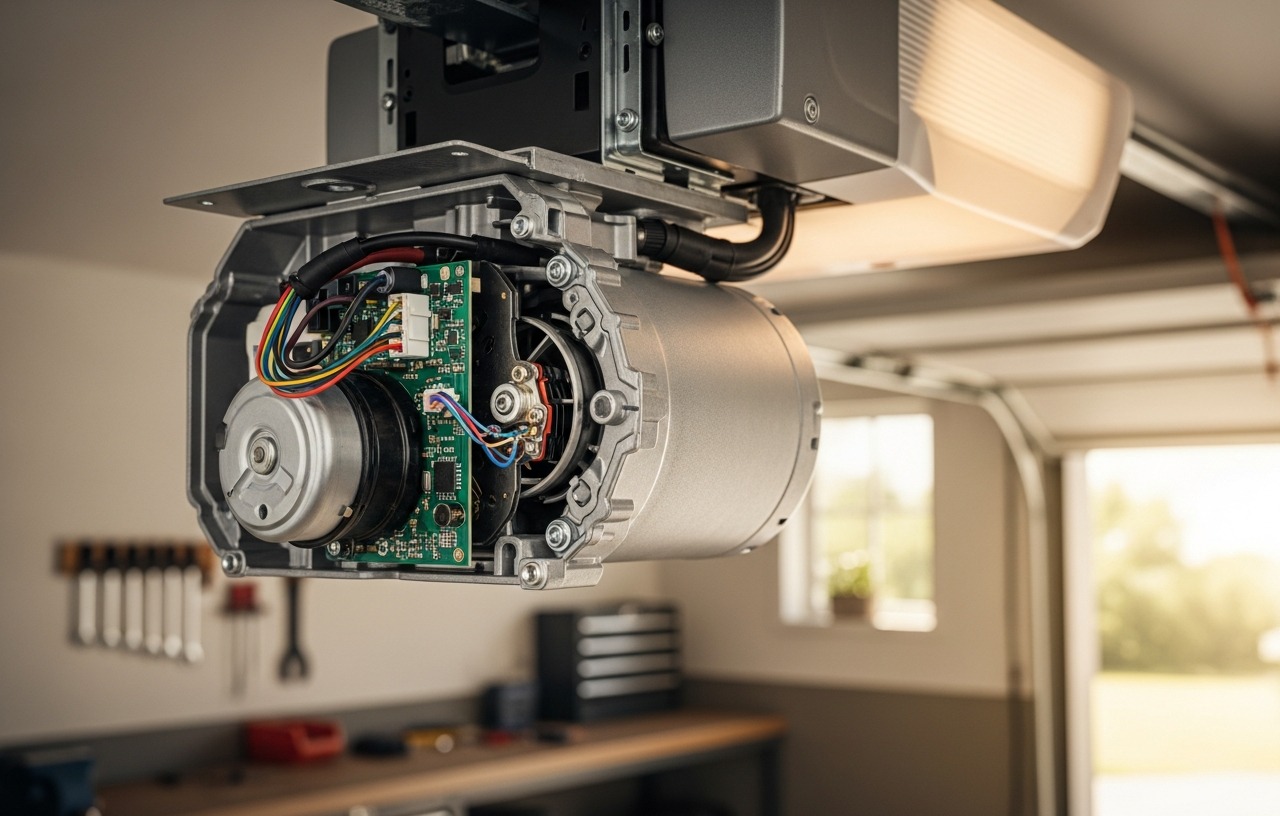
- No visible part damage: If the opener is malfunctioning but the trolley appears intact, a professional can diagnose the underlying issue more accurately. The problem might not be the trolley at all. It could be a faulty circuit board, a stripped gear in the motor, or even a broken garage door spring, which requires specialized tools and expertise to fix safely.
- Safety concerns: If any part of the garage door system seems under extreme tension or you are worried about the door falling, a professional has the training and equipment to handle these situations safely.
- Warranty considerations: Some newer garage door openers might have warranties that are voided by DIY repairs. Check your manufacturer's warranty information.
The Trolley Replacement Process (Brief Overview)
Understanding the steps involved can help you gauge the difficulty of a DIY replacement.
- Disconnect Power: Unplug the garage door opener from the electrical outlet. Always make sure the power is off before starting any work.
- Release the Door: Pull the emergency release cord to disconnect the garage door from the trolley. This allows you to open and close the door manually.
- Open the Door Manually: Move the garage door to the fully open position. This helps relieve tension on the spring system.
- Remove the Door Arm: Disconnect the J-arm (curved door arm) from the trolley. This usually involves removing a clevis pin and cotter pin.
- Remove the Old Trolley: Depending on your opener model, you may need to loosen or remove bolts that secure the trolley to the chain, belt, or screw drive. Sometimes, the rail might need to be partially disassembled.
- Install the New Trolley: Attach the new trolley to the drive mechanism, making sure it is properly oriented and secured.
- Reattach the Door Arm: Connect the J-arm to the new trolley.
- Reconnect the Door to the Opener: Engage the emergency release lever again to reconnect the door to the trolley.
- Restore Power and Test: Plug the opener back in and test the door's operation. Make any necessary adjustments to the travel limits or force settings.
This process requires careful attention to detail and adherence to safety protocols. If any part of this seems overwhelming, hiring a professional is the best choice.
Factors Affecting Overall Cost
While the ranges provided are typical, a few factors can influence the final cost of a garage door opener trolley replacement.
- Opener Brand and Model: Older or less common opener brands might have more expensive or harder-to-find parts. Specialized commercial-grade openers can also have higher part costs.
- Location: Labor rates for garage door technicians can vary by region. Urban areas often have higher labor costs than rural areas.
- Emergency Service: If you need immediate repair outside of standard business hours, you may incur additional emergency service fees, which can add $50 to $100 to the total cost.
- Additional Repairs: Sometimes, a broken trolley is a symptom of a larger issue. For instance, if the trolley broke because the garage door was binding due to worn rollers or misaligned tracks, the technician might recommend additional repairs. This increases the overall expense.
Final Thoughts on Trolley Replacement
Replacing a garage door opener trolley is a repair that many homeowners can tackle, offering substantial savings. The cost of the part is minimal, typically under $100. However, if you lack confidence, time, or the necessary tools, or if you suspect a more complex problem, professional help is a wise investment. A professional repair ensures safety and proper function, providing a reliable garage door for years to come.