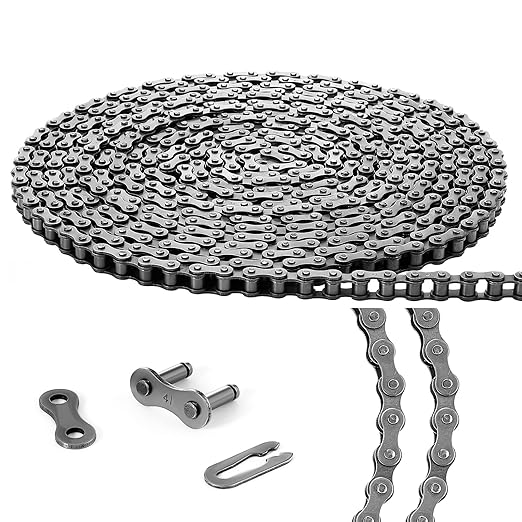
Tandefio #41 20 ft Roller Chain for Gate Openers Carbon Steel Operator Chain with 2 Connecting Links for Extension Replacement
- Nice Size: with standard US chain size #41, our roller chain for electric gate openers is about 20 ft in.
- Strength and Stability: crafted from robust carbon steel, our gate operator chain ensures durability.
- Versatile for Multiple Occasions: our roller chain with 2 connecting links is exceptional for a wide range.
- Predesigned for Efficiency: our garage door opener chain features prestressed, pre stretched design.
Tandefio #428 20 ft Roller Chain for Gate Openers Carbon Steel Operator Chain with 2 Connecting Links for Extension Replacement
- Nice Size: with standard US chain size #428, our roller chain for electric gate openers is about 20 ft in.
- Strength and Stability: crafted from robust carbon steel, our gate operator chain ensures durability.
- Versatile for Multiple Occasions: our roller chain with 2 connecting links is exceptional for a wide range.
- Predesigned for Efficiency: our garage door opener chain features prestressed, pre stretched design.
Tandefio #41 10 ft Roller Chain for Gate Openers Carbon Steel Operator Chain with 2 Connecting Links for Extension Replacement
- Nice Size: with standard US chain size #41, our roller chain for electric gate openers is about 10 ft in.
- Strength and Stability: crafted from robust carbon steel, our gate operator chain ensures durability.
- Versatile for Multiple Occasions: our roller chain with 2 connecting links is exceptional for a wide range.
- Predesigned for Efficiency: our garage door opener chain features prestressed, pre stretched design.
A loud clanking sound or a noticeable sag in the chain along your garage door opener rail indicates a common problem: a loose garage door opener chain. This issue can cause jerky operation, prevent the door from opening or closing smoothly, or even stop it completely. Addressing a loose garage door chain promptly prevents further damage to the opener system.
Many homeowners can fix a loose garage opener chain with basic tools and a careful approach. Understanding the underlying cause is the first step toward a lasting repair.
Safety First: Disconnecting Power
Before attempting any adjustments or repairs on your garage door opener, always prioritize safety. The opener operates with significant force and electrical power. Disconnect the power supply to the opener before you touch any part of the mechanism. Find the power cord and unplug it from the ceiling outlet. If the outlet is not accessible, locate the circuit breaker for your garage and switch it off. This prevents accidental activation while you work.
Additionally, wear appropriate safety gear, including work gloves and eye protection. The garage door itself is heavy. If the springs are damaged or improperly tensioned, the door could fall. If you suspect spring issues, do not proceed with chain adjustment until those are addressed. A broken garage door spring requires immediate attention from a professional.
Diagnosing a Loose Garage Door Opener Chain
Several symptoms point to a loose garage door opener chain. You might hear excessive noise, such as rattling or grinding, during operation. The door itself may move unevenly, stopping and starting as it travels along the track. Sometimes, the chain might even sag noticeably in the middle of the rail when the door is closed. Identifying these garage door loose chain symptoms helps confirm the problem.
1. Improper Chain Tension Adjustment
The most common reason for a garage door opener chain loose is simply that its tension has drifted over time. Chain drive openers require a specific amount of tension to operate effectively. Too loose, and the chain sags and rattles. Too tight, and it puts undue stress on the motor and sprockets, leading to premature wear.
Checking Current Tension
With the garage door fully closed and the power disconnected, examine the chain. It should have a slight sag, typically about 1/2 inch to 1 inch, when you press down on it midway along the rail. The exact measurement can vary slightly by manufacturer. Consult your opener's manual for precise specifications. If the chain sags significantly more than this, it needs tightening.
How to Tighten Garage Door Opener Chain
Most garage door openers have a tension adjustment mechanism near the motor head or at the trolley assembly. This usually involves two nuts on a threaded rod that connects the chain to the trolley.
- Locate the Trolley and Adjustment Bolts: The trolley is the component that travels along the rail, pulling the door. Near the front of the trolley (closer to the garage door), you will see a threaded rod with two nuts. These nuts control the chain tension.
- Loosen the Front Nut: Using two wrenches, hold the rear nut steady and loosen the front nut (the one closest to the door) by turning it counter-clockwise. This allows the rear nut to move.
- Adjust the Rear Nut: Turn the rear nut clockwise to pull the threaded rod further into the trolley, thereby tightening the chain. Make small adjustments, turning the nut one or two full rotations at a time.
- Check Tension: After each adjustment, press down on the chain midway to check the sag. Aim for that 1/2 to 1-inch deflection.
- Tighten the Front Nut: Once the desired tension is achieved, hold the rear nut in place and tighten the front nut against it. This locks the adjustment in place.
- Test Operation: Reconnect power to the opener. Operate the door manually a few times, then use the opener. Listen for unusual noises and observe the door's movement.
If the chain is loose on one side, this often indicates an issue with the trolley adjustment or a misalignment of the rail. Follow the same tensioning steps, paying close attention to how the chain sits on the sprocket and within the trolley guides.
2. Worn or Damaged Chain Components
Even with proper tension, a garage door chain loose can result from wear and tear on the chain itself or its connecting links. Over years of use, the metal can stretch, or individual links can become damaged, leading to excessive slack. Rust can also weaken the chain, making it prone to stretching or breaking.
Inspect the entire length of the chain, looking for rusted sections, bent links, or signs of stretching. If the chain appears excessively worn, corroded, or stretched beyond the point where tension adjustment helps, it may need replacement. A new chain restores proper operation and extends the life of your opener.
For replacement, consider a robust carbon steel option like the Tandefio #41 20 ft Roller Chain for Gate Openers. This chain offers durability and strength, making it a reliable choice for extending the life of your garage door opener. It comes with two connecting links, simplifying installation. For openers requiring a different size, the Tandefio #428 20 ft Roller Chain is another durable carbon steel option. If you only need a shorter segment for repair or a smaller door, a Tandefio #41 10 ft Roller Chain is available.
Replacing the chain involves disconnecting it from the trolley and the motor sprocket, feeding the new chain through, and then reattaching and tensioning it. This can be a moderately difficult DIY task. If you are uncomfortable with this, a professional can complete the replacement efficiently.
3. Misaligned Sprocket or Rail
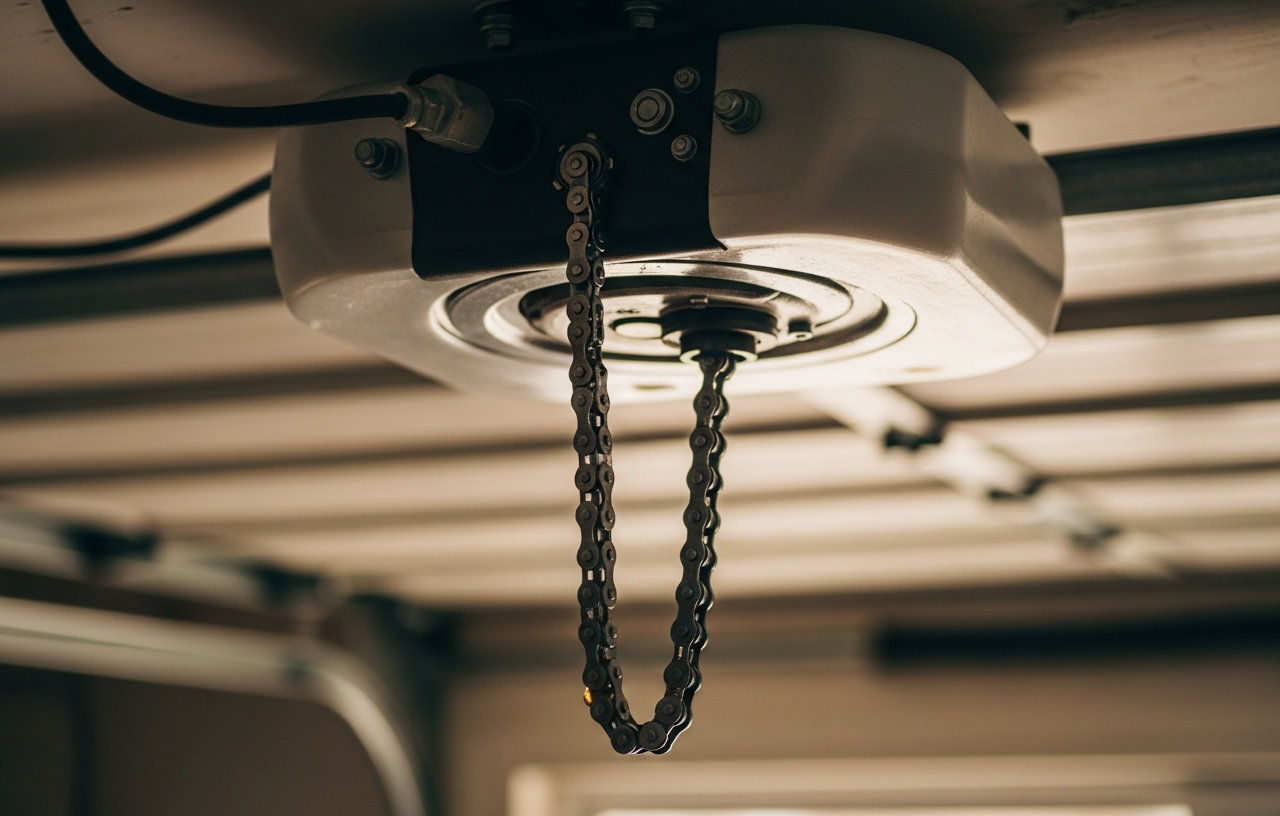
The chain runs over a sprocket attached to the motor head and along a rail. If either the sprocket or the rail becomes misaligned, it can cause the garage door chain loose. A misaligned sprocket might not properly engage the chain, leading to slack or a grinding noise. A bent or sagging rail can also affect chain tension and smooth operation.
Examine the sprocket above the motor head. It should be centered and rotate smoothly. Check the entire length of the rail for any bends, dents, or loose mounting brackets. If the rail is sagging, it needs to be resecured to the ceiling joists. This often involves tightening existing brackets or adding new ones for better support. A professional may be needed to correct severe rail misalignment or replace damaged sections.
4. Worn Trolley Assembly
The trolley assembly is the component that connects the garage door to the chain. It moves along the rail, pulling and pushing the door. If the trolley itself is worn, damaged, or has loose components, it can contribute to a loose garage door opener chain. Internal parts of the trolley, such as the carriage or the bolt that connects the chain, can wear out.
Inspect the trolley for any cracks, bends, or excessive play. If the trolley wobbles significantly or if the connection point for the chain appears damaged, the entire trolley assembly might need replacement. This is less common than simple tension issues but can certainly cause persistent problems with chain looseness.
5. Garage Door Spring Imbalance
While not a direct cause of a loose chain, an improperly balanced garage door spring system can put excessive strain on the opener. If the springs are too weak or broken, the opener has to work harder, which can lead to premature wear on the chain and other components, causing it to appear loose or stretch faster.
To check the balance, disconnect the opener from the door by pulling the emergency release cord. Manually lift the door about halfway. If it stays in place, the springs are likely balanced. If it immediately falls or springs up, there is an imbalance. Garage door spring replacement cost varies, but it is a repair best left to professionals due to the high tension involved.
When to Call a Professional for a Loose Garage Door Chain
Many simple chain tension adjustments can be a DIY task. However, some situations warrant professional help. If you have adjusted the chain multiple times and it continues to loosen quickly, there may be a deeper issue, such as a worn-out sprocket, a failing motor, or severe rail misalignment. Replacing a chain usually adds $100-$200 to the total, bringing the repair to a range of $180-$350. More complex repairs, like replacing a trolley assembly or fixing significant rail damage, could push the cost higher. For significant repairs, troubleshooting a garage door opener not working can often lead to discovering issues beyond the chain.
Preventative Maintenance for Your Garage Door Opener Chain
Regular maintenance helps prevent a loose garage door chain and extends the life of your opener. Lubricate the chain periodically with a silicone-based or lithium-based garage door lubricant. Avoid using grease or oil, as these can attract dirt and grime, leading to more wear. Check the chain tension every few months and adjust it as needed.
Also, regularly inspect the entire system: look at the rollers, hinges, cables, and springs. Keeping all components in good working order reduces strain on the opener and its chain. Address any minor issues promptly to avoid them escalating into major problems.
Conclusion
A loose garage door opener chain is a common issue that often has a simple fix. By carefully diagnosing the problem, whether it is improper tension, worn components, or misalignment, you can take steps to restore your garage door to smooth operation. Always prioritize safety by disconnecting power and wearing protective gear. When in doubt, or for complex repairs, calling a qualified garage door technician is the safest and most effective course of action.
Tandefio #41 20 ft Roller Chain for Gate Openers Carbon Steel Operator Chain with 2 Connecting Links for Extension Replacement
- Nice Size: with standard US chain size #41, our roller chain for electric gate openers is about 20 ft in.
- Strength and Stability: crafted from robust carbon steel, our gate operator chain ensures durability.
- Versatile for Multiple Occasions: our roller chain with 2 connecting links is exceptional for a wide range.
- Predesigned for Efficiency: our garage door opener chain features prestressed, pre stretched design.
Tandefio #428 20 ft Roller Chain for Gate Openers Carbon Steel Operator Chain with 2 Connecting Links for Extension Replacement
- Nice Size: with standard US chain size #428, our roller chain for electric gate openers is about 20 ft in.
- Strength and Stability: crafted from robust carbon steel, our gate operator chain ensures durability.
- Versatile for Multiple Occasions: our roller chain with 2 connecting links is exceptional for a wide range.
- Predesigned for Efficiency: our garage door opener chain features prestressed, pre stretched design.
Tandefio #41 10 ft Roller Chain for Gate Openers Carbon Steel Operator Chain with 2 Connecting Links for Extension Replacement
- Nice Size: with standard US chain size #41, our roller chain for electric gate openers is about 10 ft in.
- Strength and Stability: crafted from robust carbon steel, our gate operator chain ensures durability.
- Versatile for Multiple Occasions: our roller chain with 2 connecting links is exceptional for a wide range.
- Predesigned for Efficiency: our garage door opener chain features prestressed, pre stretched design.