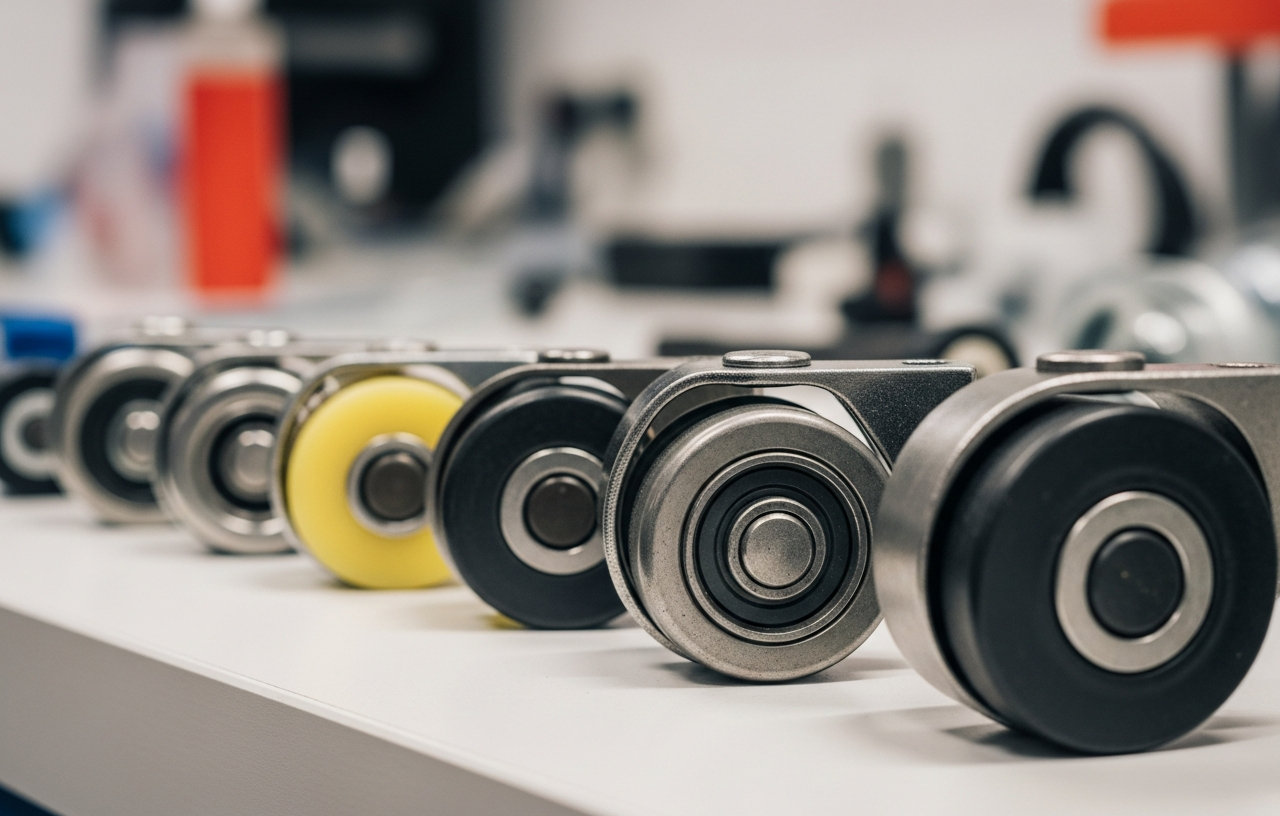

DURA-LIFT Ultra-Life MAX 2" Sealed 6200ZZ Bearing Nylon Garage Door Roller, 4" Stem, Pack of 10
- Nylon Wheel reduces garage door noise by at least 75% compared to standard steel rollers
- 6200ZZ Bearing rated 25x standard roller for 200,000 door open and close cycles at 190 lb. load providing.
- Front and back sealed caps prevents dust & grime from penetrating roller
- Lubrication groove on roller to disperse lubrication over extended period
A loud, rattling garage door is more than an annoyance. It signals excessive wear and tear on the system, potentially leading to bigger, more expensive repairs. Often, the culprit is worn or failing garage door rollers. These small wheels guide your garage door along its tracks, and their condition directly affects how smoothly and quietly your door operates.
Choosing the right replacement rollers involves understanding different materials, bearing types, and sizes. Installing the wrong rollers can lead to premature failure, increased noise, or even damage to the door itself. This guide will help you identify the best rollers for your specific garage door system, focusing on durability, noise reduction, and overall value.
Understanding Garage Door Roller Types
Garage door rollers come in several core variations, primarily differing in material and bearing quality. Each type offers distinct advantages and disadvantages regarding cost, noise level, and lifespan.
Steel Rollers
Steel rollers are the most basic and often the cheapest option available. They are typically found on older or builder-grade garage doors. Steel rollers are durable in terms of impact resistance, but they are also the loudest. They tend to wear out faster due to metal-on-metal friction and are prone to rust, especially in humid environments. Many steel rollers come unsealed, allowing dirt and grime to enter the bearings, accelerating wear.
Nylon Rollers
Nylon rollers are a popular upgrade for most homeowners. They offer a significant reduction in operating noise compared to steel rollers. The nylon material provides a smoother glide along the track. These rollers come in different grades of durability, usually determined by the number and type of bearings they contain. Nylon rollers are resistant to rust and corrosion, making them a good choice for various climates.
Bearing Quality: The Key to Longevity and Quiet Operation
The bearings inside a roller are critical for its performance and lifespan. Rollers are rated by the number of ball bearings they contain, which indicates their quality and load capacity.
- No-Bearing Rollers (Plastic): These are the cheapest and least durable. They are typically solid plastic or nylon wheels with no internal bearings, relying purely on the plastic axle for rotation. They wear out quickly, are noisy, and are only suitable for very light-duty applications, if at all.
- 7-Ball Bearing Rollers: A common entry-level option for nylon rollers. They offer a noticeable improvement over steel rollers in terms of quietness and durability. They are suitable for standard residential doors with moderate usage.
- 10-Ball Bearing Rollers: These provide enhanced smoothness and a longer lifespan. The increased number of bearings distributes the load more effectively, reducing friction and wear. They are an excellent choice for heavier doors or those used frequently.
- Sealed Bearings (e.g., 6200ZZ): The best quality rollers feature sealed bearings. These bearings are protected from dust, dirt, and moisture, which are common causes of premature roller failure. Sealed bearings significantly extend the roller's lifespan and maintain quiet operation over time. Look for ratings like 6200ZZ, which indicate a high quality, double-sealed bearing designed for heavy use.
Essential Specifications to Consider
Before purchasing new garage door rollers, you need to measure your existing rollers to ensure compatibility. The two main measurements are wheel diameter and stem length.
Wheel Diameter
Most residential garage doors use rollers with a 2-inch wheel diameter. Some heavier or commercial doors might use 3-inch rollers. Always measure your current rollers to confirm the correct size. Using the wrong diameter can cause the door to bind or come off its tracks. If your garage door roller fell off track, it might be due to worn rollers, and replacing them is a good first step.
Stem Length and Type
The stem is the metal rod that extends from the roller wheel and inserts into the hinge or end bracket. Stem lengths vary depending on the door's construction and track type.
- Standard Stem Lengths: Common lengths include 4 inches and 7 inches. The 4-inch stem is prevalent on most standard residential doors. The 7-inch stem is typically found on doors with wider frames or specific track configurations, like those with low-headroom tracks.
- Stem Diameter: Most residential rollers use a 7/16-inch stem diameter. Commercial or heavy duty rollers might have a larger diameter.
- Stem Material: Look for galvanized steel stems for rust resistance.
To measure the stem length, remove one of your existing rollers. Measure the metal stem from where it meets the wheel to its tip. Do not include the wheel itself in this measurement.
Load Capacity and Cycle Rating
Manufacturers often provide a load capacity (how much weight each roller can support) and a cycle rating (how many open/close cycles the roller is expected to last). These metrics are especially important for heavier doors or high-traffic garages.
- Load Capacity: This is usually measured in pounds per roller. Make sure the combined load capacity of all rollers exceeds the total weight of your garage door.
- Cycle Rating: This indicates the expected lifespan. A higher cycle rating means more durability. Standard rollers might be rated for 10,000 cycles, while high end rollers can exceed 100,000 or even 200,000 cycles. For context, a door used four times a day will complete about 1,460 cycles per year.
Our Top Pick: DURA-LIFT Ultra-Life MAX 2" Sealed 6200ZZ Bearing Nylon Garage Door Roller
For homeowners seeking a significant upgrade in quietness and durability, the DURA-LIFT Ultra-Life MAX 2" Sealed 6200ZZ Bearing Nylon Garage Door Roller stands out. This product addresses the most common roller complaints and offers a robust solution for long term performance.
The DURA-LIFT Ultra-Life MAX rollers are engineered for longevity and quiet operation. Based on product specs, the nylon wheel reduces garage door noise by at least 75% compared to standard steel rollers. This makes a substantial difference in the overall ambiance of your home, especially if your garage is attached to living spaces.
This rating signifies a high quality, double-sealed bearing designed to prevent dust and grime from penetrating. This sealing is a major factor in extending the roller's life. According to manufacturer data, these bearings are rated 25 times standard rollers for 200,000 door open and close cycles at a 190 lb. load. This high cycle rating means fewer replacements and more reliable operation for many years.
The rollers come with a 4-inch stem, which is suitable for most residential garage doors. If your door uses a 7-inch stem, you will need a different product. But for the vast majority of homeowners, these DURA-LIFT rollers offer a premium experience without a premium price tag when considering their extended lifespan.
Installation and Maintenance Considerations
Replacing garage door rollers is a DIY task for many homeowners, but it requires caution. The garage door system, especially the springs, operates under extreme tension. If you are replacing rollers on the bottom brackets, you must secure the garage door in the open position and release spring tension. Mishandling garage door springs can cause serious injury. If you have a broken garage door spring, consult our guide on what to do right now.
For rollers in the middle or top hinges, you can often replace them one at a time with the door closed and unplugged, as long as you do not tamper with the bottom brackets. Always work carefully and follow safety guidelines. If you are unsure, contact a professional.
long term Cost of Ownership
Investing in higher-quality rollers, like the DURA-LIFT Ultra-Life MAX, can save you money over time. While the initial cost might be slightly higher than basic steel rollers, their extended lifespan and reduced need for maintenance or premature replacement offer better value. A service call from a garage door technician can cost $80-$150 just for the visit, plus labor and parts. Preventing future issues with durable components is a smart financial move.
Maintenance for Longevity
Even the best rollers benefit from regular maintenance. Periodically inspect your rollers for signs of wear, such as cracks in the nylon, flat spots, or excessive wobble. Lubricate the bearings and the stem where it connects to the hinge with a silicone-based garage door lubricant every six months. Avoid using oil-based lubricants, as they can attract dirt and degrade nylon over time.
Keep your garage door tracks clean. Debris in the tracks can cause rollers to bind and wear prematurely. Use a damp cloth to wipe down the inside of the tracks. Make sure the tracks are also properly aligned. Misaligned tracks can cause rollers to pop out or wear unevenly, leading to a roller coming off track.
Red Flags and When to Replace
Pay attention to these signs that your garage door rollers need replacement:
- Excessive Noise: Grinding, squealing, or loud scraping sounds indicate failing bearings or flat spots on the wheel.
- Wobbly or Loose Rollers: If rollers visibly wobble in their hinges or have excessive play, their bearings are likely worn.
- Flat Spots or Cracks: Inspect the roller wheels. Flat spots on steel rollers or cracks in nylon wheels mean they are no longer rolling smoothly and need to be replaced.
- Door Sticking or Jerking: If the door moves unevenly or gets stuck along the track, worn rollers can be a contributing factor. This can also indicate issues with the opener or springs. If your garage door won't open, rollers are one of many potential causes. Refer to our guide on why a garage door won't open for more troubleshooting steps.
- Rust or Corrosion: Rust on steel rollers or their stems indicates a need for replacement, especially if the rust has spread to the bearings.
Replacing all rollers at once is generally recommended. While it might seem like a larger initial investment, it ensures consistent performance across the entire door system. Mixing old, worn rollers with new ones can lead to uneven wear and potentially shorten the lifespan of the new rollers.
Final Thoughts on Choosing Garage Door Rollers
Prioritize nylon rollers with sealed, multi-ball bearings for the best combination of quiet operation, durability, and long term value. Always measure your existing rollers to match the wheel diameter and stem length precisely.
With a wise choice and proper maintenance, your new rollers will provide years of smooth, quiet, and reliable garage door operation.
DURA-LIFT Ultra-Life MAX 2" Sealed 6200ZZ Bearing Nylon Garage Door Roller, 4" Stem, Pack of 10
- Nylon Wheel reduces garage door noise by at least 75% compared to standard steel rollers
- 6200ZZ Bearing rated 25x standard roller for 200,000 door open and close cycles at 190 lb. load providing.
- Front and back sealed caps prevents dust & grime from penetrating roller
- Lubrication groove on roller to disperse lubrication over extended period