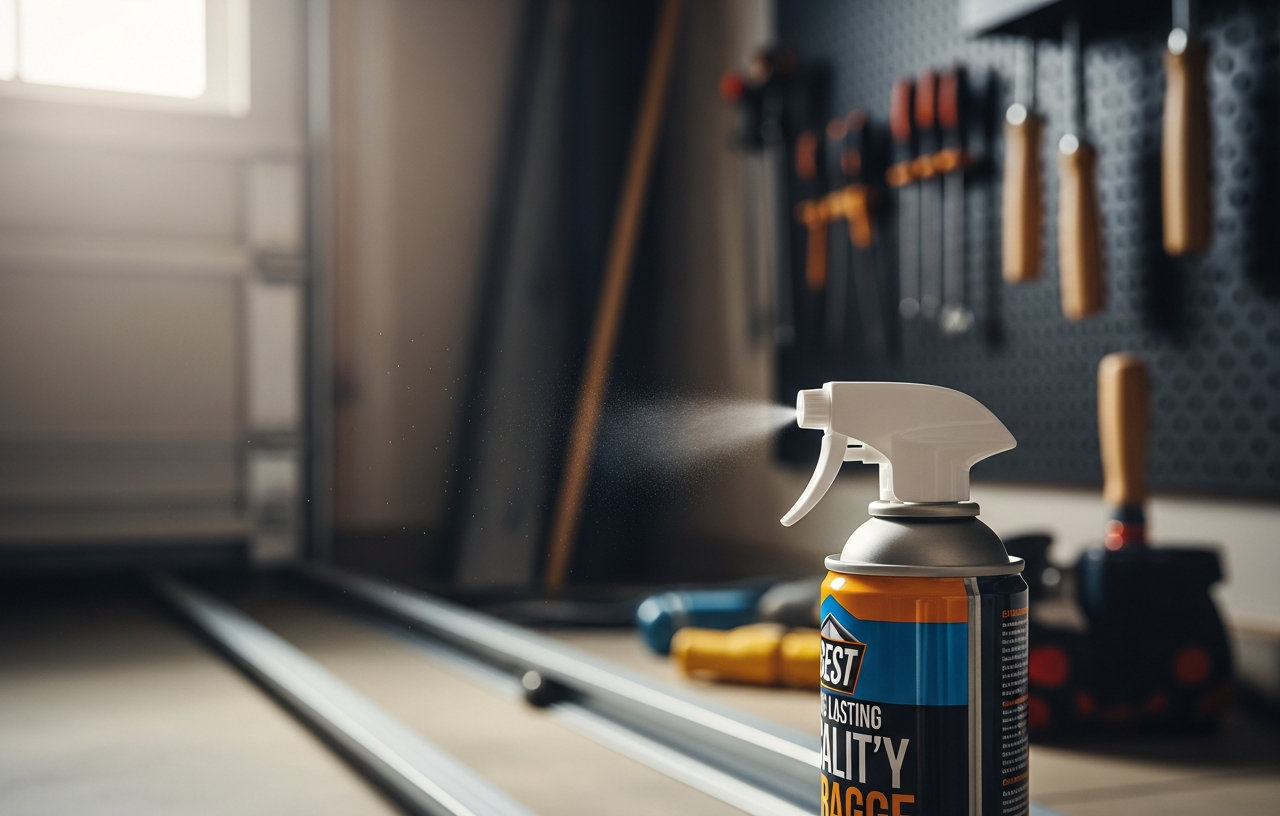

Permatex 80070 Silicone Spray Lubricant, 10.25 oz. net Aerosol Can
- Will not mar paint, rubber or plastic surfaces
- Electrically insulates, lubricates and waterproofs all types of mechanical equipment
- Coats hinges and channels, preventing locks, doors and windows from binding and squeaking
- High silicone formula does not attract dust or dirt

HōMPURE® Renew Natural Household Oil Unscented - Eco-Conscious All-Purpose Lubricant Spray for Doors, Hinges & Locks - Natural
- All-natural household lubricant made with food grade mineral oil and organic jojoba oil for safe everyday.
- Natural Penetrating oil lubricant designed to reach the source of squeaks fast. Reduces friction on door.
- All purpose lubricant for indoor and outdoor areas including door hinges, drawers, garage doors, bike.
- Formulated to reduce friction at contact points, Renew supports smoother operation and quieter movement.
For a quiet, smoothly operating garage door, the Permatex 80070 Silicone Spray Lubricant stands out as the best overall choice. Its silicone formula prevents binding and squeaking on various surfaces, making it an excellent garage door lubricant for homeowners. Maintaining your garage door with a good lubricant is a simple task that prevents bigger issues, like a garage door that won't open.
Garage doors are complex systems with many moving parts. Rollers, hinges, springs, and tracks all require regular maintenance to function correctly. Friction, rust, and dirt can cause these components to wear down, leading to loud noises, jerky movements, or even complete failure. Using the best lube for your garage door protects these vital parts from corrosion and reduces friction, leading to a longer life for your garage door system. Many homeowners overlook lubrication, but it is a critical step in routine garage door care.
Understanding Garage Door Lubricants
Not all lubricants are created equal, especially for garage doors. You need a product that can withstand varying temperatures, resist dust and grime, and protect metal components. The best lubricant for garage door rollers and other moving parts will typically be a silicone-based spray or a lithium grease.
Silicone-Based Lubricants
Silicone lubricants are popular for garage doors because they create a thin, clear film that repels water and prevents rust. They do not attract dust and dirt as much as oil-based products. This makes them ideal for exposed components like rollers and hinges. Silicone sprays are also safe for most plastics and rubber, which is important for many garage door parts.
Lithium Grease
White lithium grease is a heavier, more viscous lubricant. It is excellent for metal-on-metal contact points that experience high pressure, such as garage door opener gears or torsion springs. It provides long-lasting protection but can be messier to apply and may attract more dust. Always apply lithium grease sparingly to avoid buildup.
What to Avoid: WD-40 and Oil-Based Products
Many people reach for WD-40 when they hear a squeak. While WD-40 is a good penetrant and water displacer, it is not a long term lubricant. It can attract dust and grime, eventually leading to more friction and wear. Similarly, general-purpose oil can become sticky and cause issues over time. For the best results, always select a product specifically designed for garage door mechanisms or similar heavy duty moving parts.
Permatex 80070 Silicone Spray Lubricant, 10.25 oz. net Aerosol Can (TOP PICK)
The Permatex 80070 Silicone Spray Lubricant is a top performer for maintaining garage door health. This silicone spray excels at reducing friction and stopping squeaks across a wide range of materials. It is formulated to lubricate and waterproof all types of mechanical equipment, making it a versatile choice beyond just garage doors. Based on product specs, it will not mar paint, rubber, or plastic surfaces, which is important for preserving the appearance and integrity of your garage door system.
Pros:
- Will not mar paint, rubber, or plastic surfaces, preserving component integrity.
- Electrically insulates, lubricates, and waterproofs, offering comprehensive protection.
- Effectively coats hinges and channels, preventing locks, doors, and windows from binding and squeaking.
- Repels dust and dirt, helping keep components cleaner for longer.
Cons:
- May require reapplication more frequently than a heavy grease, especially on high-stress metal-on-metal points.
- Not designed for extreme pressure applications on certain opener gears.
Best for:
This is the ideal choice for homeowners seeking a general-purpose, effective garage door lubricant that works on all standard components, including rollers, hinges, tracks, and weather stripping. It is particularly good for those who want a clean application that will not stain or damage surrounding materials. If your garage door opener is making a grinding noise, this lubricant can help silence many common causes.
HōMPURE® Renew Natural Household Oil Unscented - Eco-Conscious All-Purpose Lubricant Spray for Doors, Hinges & Locks - Natural
The HōMPURE® Renew Natural Household Oil offers an eco-conscious alternative for those looking for a natural, safe lubricant. This all-natural household lubricant is made with food-grade mineral oil and organic jojoba oil, providing a safe option for everyday use around the home. It is designed as a natural penetrating oil lubricant that reaches the source of squeaks fast and reduces friction on various door types. Researched from user reviews, many appreciate its versatility for indoor and outdoor areas, including door hinges, drawers, and even bike chains, in addition to garage doors.
Pros:
- Made with all-natural, food-grade mineral oil and organic jojoba oil, making it safe for homes with children and pets.
- Eco-conscious and unscented, appealing to environmentally aware consumers.
- Natural penetrating oil design reaches the source of squeaks quickly and reduces friction effectively.
Cons:
- Natural oils may attract more dust and grime in very dirty or dusty garage environments compared to synthetic silicone.
- May not offer the same long term protection against extreme weather or very heavy loads as specialized synthetic lubricants.
Best for:
This lubricant suits environmentally conscious homeowners who prioritize natural ingredients and safety. It is a good garage door lubricant for lighter-duty applications and for those who want a versatile, multi-purpose product for various household squeaks. It is excellent for maintaining a smooth, quiet garage door without harsh chemicals.
Where to Lubricate Your Garage Door
To keep your garage door running smoothly, focus on these key areas:
- Rollers: Apply lubricant to the bearings inside the rollers, not the wheels themselves. The best lubricant for garage door rollers will penetrate these small parts.
- Hinges: Spray each hinge at the pivot points.
- Tracks: Do not lubricate the tracks themselves. Instead, clean the tracks thoroughly to remove any dirt or debris that could impede roller movement. Lubricating the tracks can cause rollers to slip and accumulate more grime.
- Springs: For torsion springs, a light coat of white lithium grease or a silicone spray can help reduce friction and prevent rust. For extension springs, a silicone spray is suitable. Understanding garage door extension springs helps with proper care.
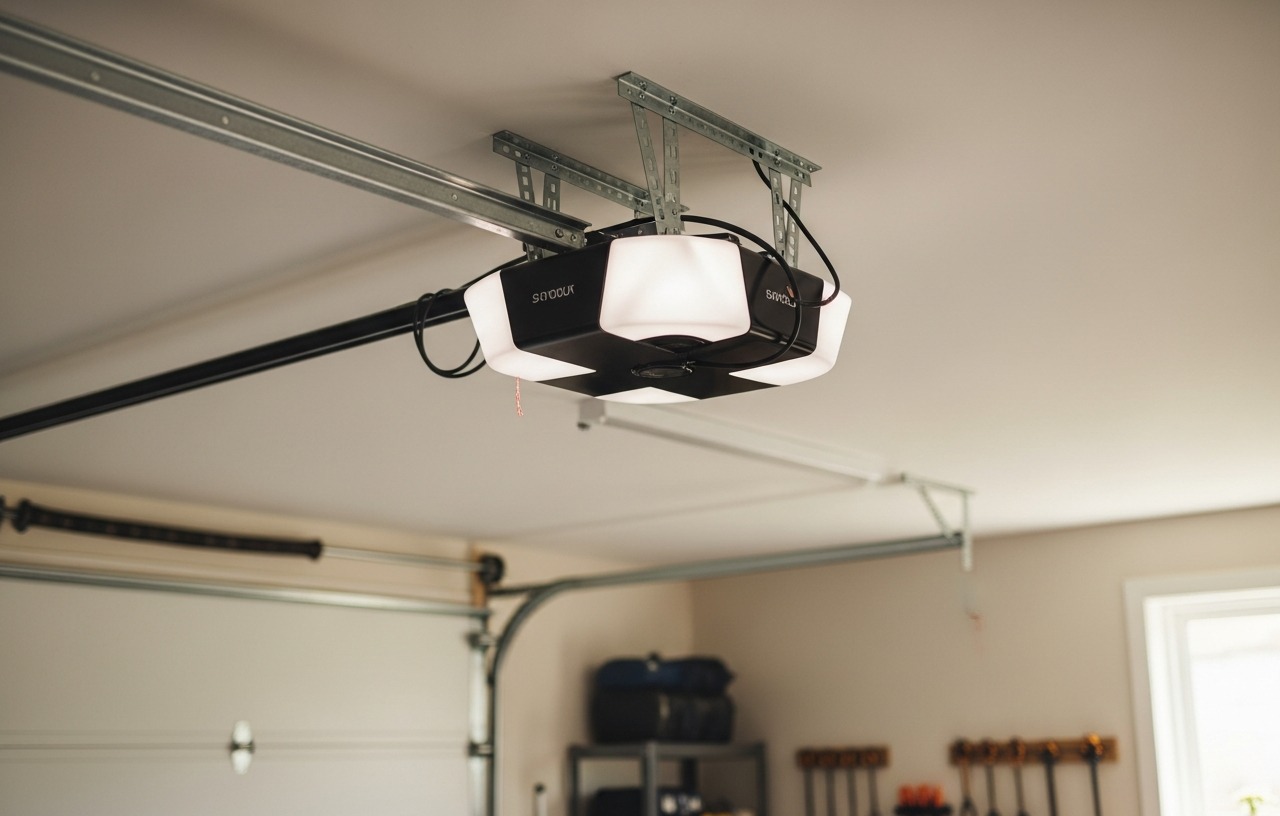
- Opener Chain or Screw Drive: If your opener uses a chain or screw drive, apply white lithium grease or a specialized garage door opener lubricant to the chain or screw. Check your opener's manual for specific recommendations.
- Bearings and Pulleys: Apply a small amount of lubricant to any visible bearings or pulleys.
How Often to Lubricate Your Garage Door
Most experts recommend lubricating your garage door at least once or twice a year. If you live in an area with extreme weather conditions, or if your garage door sees heavy daily use, you may need to lubricate it more frequently, perhaps every three to six months. Listen for any new squeaks or grinding noises, as these are clear indicators that your garage door needs attention.
Steps for Lubricating Your Garage Door
Lubricating your garage door is a simple DIY task. Follow these steps:
-
Clean the Door: Before applying any lubricant, clean the garage door tracks and moving parts. Use a damp cloth to wipe away dirt, old grease, and grime. A wire brush can remove stubborn rust from hinges or rollers.
-
Disconnect Power: For safety, unplug your garage door opener or turn off its power at the circuit breaker. This prevents accidental activation while you work.
-
Lubricate Rollers: Spray the silicone lubricant into the bearings of each roller. If your rollers have sealed bearings, lubrication is not necessary for those specific parts, but you can still lubricate the roller stem. The best lubricant for garage door wheels will make them spin freely.
-
Lubricate Hinges: Apply lubricant to the pivot points of all hinges. Move the door manually a few times to distribute the lubricant.
-
Lubricate Springs: For torsion springs (located above the door), apply a light coating of silicone spray or white lithium grease. For extension springs (running along the sides), silicone spray is usually best. Do not over-apply.
-
Lubricate Opener Chain/Screw: If your opener has a chain drive, spray the chain with white lithium grease. For screw drives, apply the recommended lubricant to the screw rail. Avoid getting lubricant on the belt of a belt-drive opener.
-
Test the Door: Restore power to your garage door opener. Open and close the door several times to distribute the lubricant. Listen for any remaining squeaks and reapply lubricant as needed.
Final Thoughts on the Best Lube for Garage Door Maintenance
Choosing the best garage door lubricant is a small investment that yields significant returns in terms of noise reduction and component longevity. Whether you opt for the industrial-grade performance of Permatex silicone spray or the eco-friendly approach of HōMPURE, regular lubrication keeps your garage door operating smoothly and quietly for years to come. Make sure to follow the application guidelines and safety precautions for any product you use, and enjoy the benefits of a well maintained garage door.
Permatex 80070 Silicone Spray Lubricant, 10.25 oz. net Aerosol Can
- Will not mar paint, rubber or plastic surfaces
- Electrically insulates, lubricates and waterproofs all types of mechanical equipment
- Coats hinges and channels, preventing locks, doors and windows from binding and squeaking
- High silicone formula does not attract dust or dirt
HōMPURE® Renew Natural Household Oil Unscented - Eco-Conscious All-Purpose Lubricant Spray for Doors, Hinges & Locks - Natural
- All-natural household lubricant made with food grade mineral oil and organic jojoba oil for safe everyday.
- Natural Penetrating oil lubricant designed to reach the source of squeaks fast. Reduces friction on door.
- All purpose lubricant for indoor and outdoor areas including door hinges, drawers, garage doors, bike.
- Formulated to reduce friction at contact points, Renew supports smoother operation and quieter movement.