
Lubriplate Multi-Purpose Grease for Gate or Garage Door Openers LBR-S
- Genuine Lubriplate Aero LBR-S Specialty low temp grease
- A must for all garage door opener repair and proper gear assembly operation
- Perfect for lubricating Chamberlain opener gears

Conelist 8 Pcs 0.35oz. Each Garage Door Lubricant Spray, White Lithium Grease, Screw Drive Lube Lubricant Garage Door Openers
- Compact and Lightweight Solution: easily maintain your home's moving part with our garage door lubricant that weighs only about 0.35 ounce per piece and measures approximately 4 x 1.2 x 0.6 inches; For your convenience,
- Embrace Smooth Operations: our sliding door grease ensures long lasting operability with easy maintenance, thanks to its low friction coefficient; This quality allows your garage door to glide smoothly with less wear and
- Material Compatibility: our garage door wheel lubricant is White Lithium Grease compatible with a broad spectrum of materials; It is non corrosive to metal and rubber, ensuring the performance of your garage door opener
- Expert Noise Reduction: this door hinge grease is designed to reduce garage door noise, ensuring the quiet, smooth operation of your door; Relish in the tranquility of your home without disturbing grating or grinding noi
- Waterproof and Rust Proof Protection: brace your garage door against harsh weather conditions with our garage door grease's rust proof, waterproof and anti corrosion properties; It is designed to protect your garage door

Keze Door Hinge Lubricant Door Squeaky Fix Lubricating Oil for Noise Synthetic Knife Oil Lube for Lock Hinge Hair Trimmers Knife
- Versatile & Multi-Purpose Hinge Oil: Perfect for door locks, chains, keyholes, knife pivot, sewing machines, razors, clocks, and drawers. Eliminates squeaks and ensures smooth operation of moving parts.
- Long-Lasting Performance: high quality formula reduces wear and tear, providing quiet, smooth operation for long time. Keeps your knife, door hinge or tool away from rust, corrosion, friction and wear.
- Precision Long Needle Oiler: The long-needle design allows easy, mess-free application in tight spaces for precise lubrication.
- Safe & Non-Toxic Door Hinge Lube: Odorless and non-toxic formula, safe for use around children and pets. Keze knife lube works flawlessly in temperatures from -22°F to 248°F, ideal for all seasons.
- Satisfaction Guarantee: Simply contact customer services for help,replacement or refund if you have any problems with your squeaky door hinge lubricant.
A loud grinding noise from your garage door opener, especially when the door refuses to move, almost always points to an internal mechanical problem. This issue can stem from several common culprits, ranging from worn-out gears to a broken drive system. Diagnosing the exact cause saves time and money, helping you decide whether a DIY fix is possible or if professional help is needed. Most repairs involve inspecting the opener's internal components and the door's mechanics.
Stripped Gears Inside the Opener
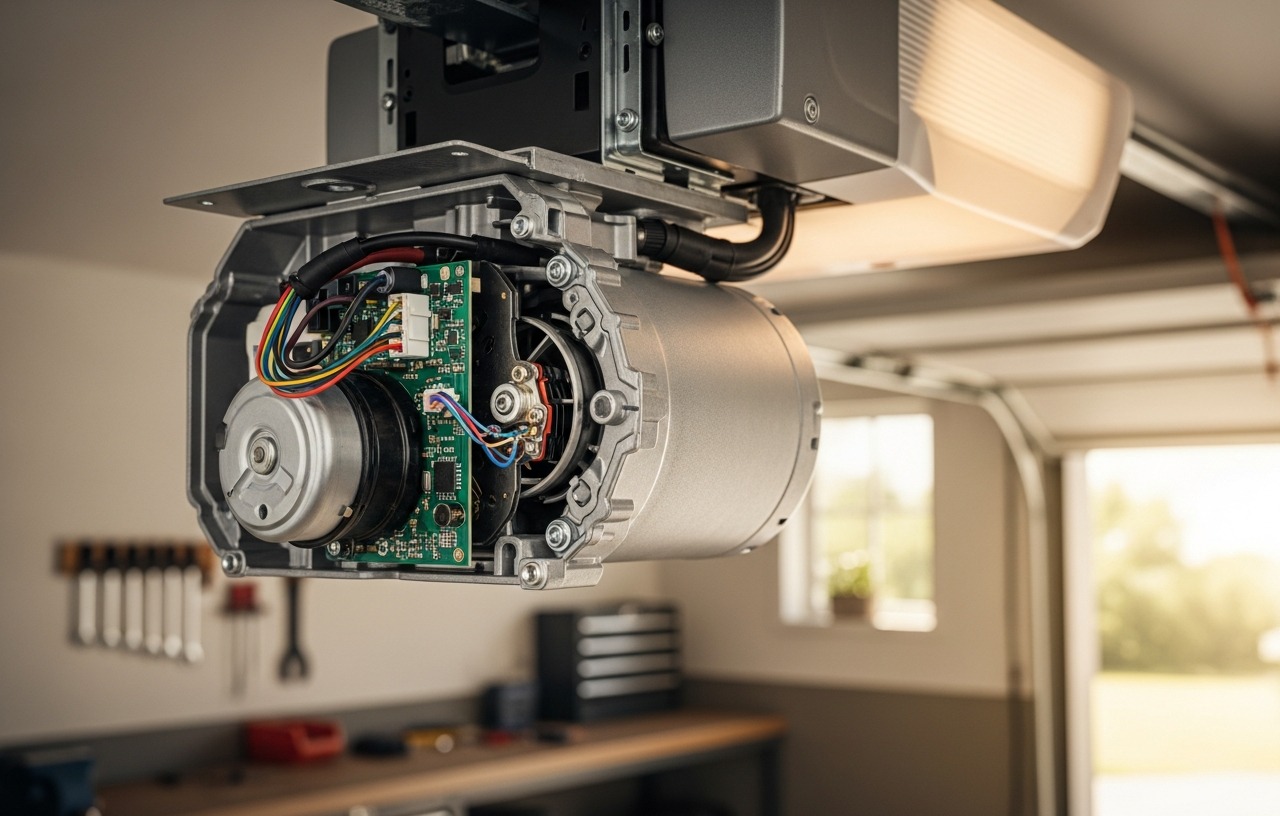
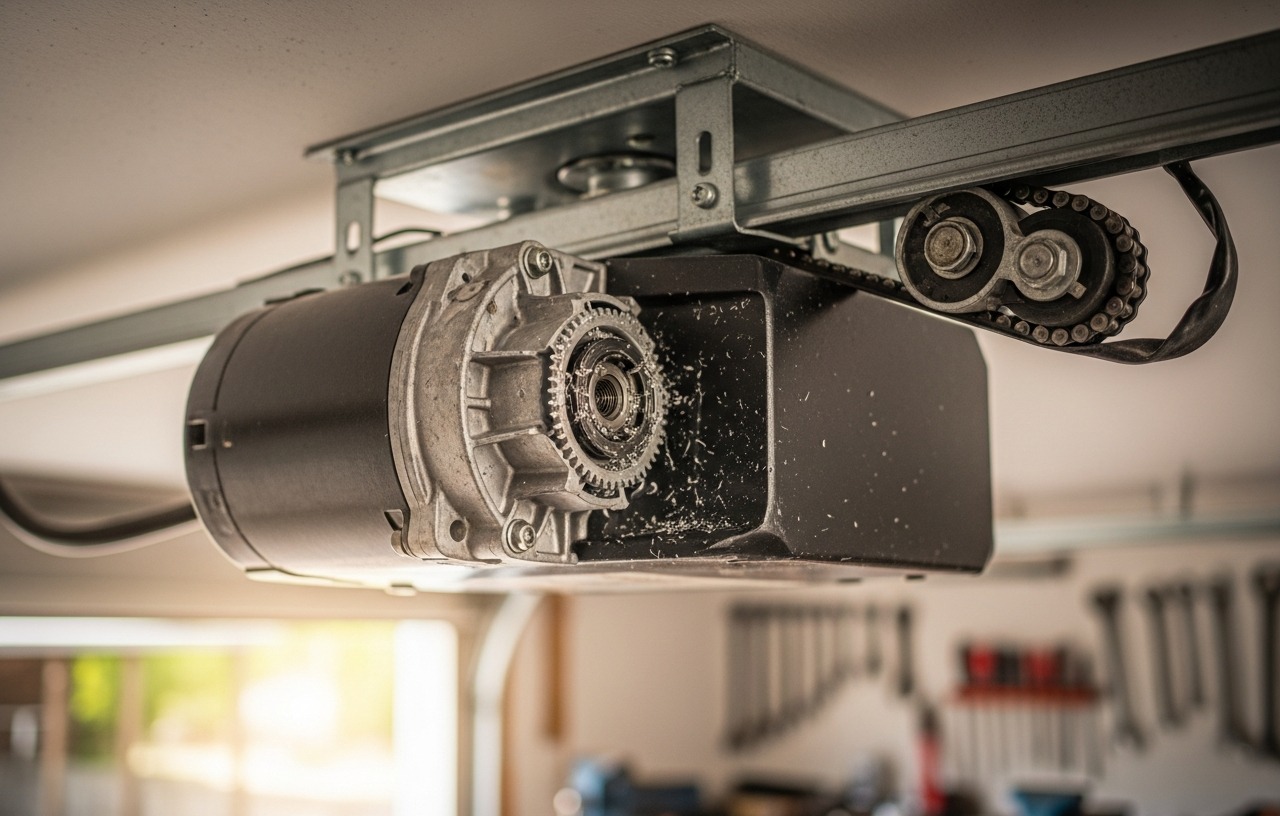
The most common reason a garage door opener makes a grinding noise but won't open is stripped gears. Inside the opener's motor housing, a worm gear drives a larger main gear, which then engages the chain, belt, or screw drive. Over time, especially with heavy use or if the door itself becomes difficult to lift, the teeth on these plastic gears can wear down or break off. When the motor spins, it attempts to engage the stripped gear, resulting in a loud grinding sound without transmitting power to the door.
To confirm stripped gears, unplug the opener for safety. Remove the outer cover of the opener unit. This usually involves unscrewing a few fasteners. Look for plastic shavings or visible damage to the gear teeth, particularly on the main drive gear. If the gears are stripped, the motor will spin freely, but the attached shaft will not move or will move inconsistently. This is a common failure point for many chain-drive and belt-drive openers, particularly older Chamberlain, LiftMaster, or Craftsman models.
Fixing Stripped Gears
Replacing stripped gears is a moderately challenging DIY task. Gear replacement kits are available for most major opener brands, typically costing between $20 and $50. These kits usually include the new gear, a worm gear, and often a tube of specialized grease. You will need basic hand tools like screwdrivers, wrenches, and possibly a socket set. The process involves disconnecting the opener from its mounting, carefully opening the housing, removing the old, damaged gears, and installing the new ones.
When installing new gears, proper lubrication is essential for their longevity. Lubriplate Multi-Purpose Grease for Gate or Garage Door Openers LBR-S is an excellent choice. This genuine Lubriplate Aero LBR-S specialty low-temperature grease is a must for all garage door opener repair and proper gear assembly operation. It is perfect for lubricating Chamberlain opener gears, ensuring smooth, quiet operation and extending the life of the new parts.
If you are not comfortable working with electrical components or mechanical assemblies, a professional garage door technician can replace the gears. This service typically costs between $150 and $300, including parts and labor. Sometimes, if the motor or other internal components are also failing, the technician might recommend replacing the entire opener unit.
Broken Drive Chain, Belt, or Screw
Another cause for grinding noise, or simply the motor running without door movement, is a problem with the drive mechanism itself. The opener motor turns a sprocket or pulley that moves a chain, belt, or screw. If this connection breaks, the motor spins, but the door remains stationary.
- Chain Drive: The chain can break, detach from the trolley, or a link might seize. If the chain is loose and dragging, the sprocket might slip and grind against it.
- Belt Drive: The rubber belt can snap, fray, or become disconnected from the trolley or the drive sprocket.
- Screw Drive: The screw mechanism can strip its threads, or the carriage that moves along the screw can break.
Visually inspect the entire length of the chain, belt, or screw drive. Look for breaks, excessive slack, or parts that are no longer connected. If the chain is broken, you might see a disconnected link or the chain lying loose on the rail. For belt drives, look for tears or complete separation. Screw drives are harder to inspect without disassembly, but a common symptom is the carriage remaining still while the screw spins freely.
Fixing a Broken Drive System
Replacing a broken chain or belt can be a DIY project, though it requires some patience to thread and tension the new component correctly. Replacement chains or belts typically cost $50 to $150, depending on the opener model and length. Screw drive repairs are more complex, often involving replacing the entire screw assembly, which can be costly and difficult for a homeowner. Professional repair for a broken drive system usually costs $200 to $400, including parts and labor.
Broken Garage Door Springs
Garage door springs, either torsion or extension springs, counterbalance the immense weight of the door. If one or both springs break, the opener suddenly has to lift the entire weight of the door (often 200-400 pounds) by itself. This excessive strain causes the motor to overwork, often resulting in a loud grinding or straining noise as it struggles. The door might move only a few inches, shudder, or not move at all.
You can identify a broken spring by a visible gap in a torsion spring (mounted above the door) or a stretched-out, detached extension spring (running along the side tracks). A very loud bang often accompanies a spring breaking. Do not attempt to operate the door with broken springs. This can cause further damage to the opener and is extremely dangerous. For more details on this specific issue, refer to our article on Broken Garage Door Spring: What to Do Right Now (And What Not To).
Spring Replacement Costs
Replacing garage door springs is a job best left to professionals due to the high tension and danger involved. DIY spring replacement is extremely risky and can lead to serious injury. Professional spring replacement costs vary based on the type and number of springs. This happens if the emergency release cord is pulled, disengaging the trolley from the opener's drive mechanism. When the trolley is disengaged, the motor operates, but its power is not transmitted to the door. You will hear the motor run, and possibly some grinding if it struggles to reconnect, but the door will stay put.
To check this, look at the trolley, the component that moves along the rail and pulls the door. There should be a small lever or mechanism that connects it to the rail. If the emergency release cord (usually a red rope) has been pulled, the trolley will be disconnected. To re-engage it, make sure the door is fully closed. Pull the emergency release cord down and back towards the opener. You should hear a click as the trolley re-engages with the chain, belt, or screw drive. Try operating the opener again.
This is a free and easy fix. Always make sure the door is fully closed before attempting to re-engage the trolley to prevent damage to the opener or the door.
Motor Malfunction or Electrical Issues
Less commonly, the grinding noise could indicate a problem with the opener's motor itself or an electrical issue. If the motor is straining but not turning the drive shaft, it might be overheating, have faulty internal windings, or a capacitor issue. This often produces a different kind of grinding, more like a high-pitched whine mixed with a mechanical strain.
Diagnosing motor issues typically requires specialized knowledge and tools. If you have ruled out stripped gears, broken springs, and drive system failures, and the motor still makes a concerning noise without moving the door, it might be time to replace the entire opener. A new garage door opener unit costs between $300 and $800, plus $150 to $350 for professional installation. Sometimes, a full replacement is more cost effective than trying to repair a failing motor.
Obstructions or Misaligned Safety Sensors
While less likely to cause a distinct grinding noise from inside the opener, obstructions or misaligned safety sensors can prevent a garage door from closing or opening fully, causing the motor to strain. If the door encounters an obstacle or if the safety sensors detect an obstruction, the opener will typically reverse or stop. If it struggles against an obstacle, the motor might make a straining sound, which could be mistaken for grinding.
Check the path of the garage door for any objects. Make sure the safety sensors, located near the bottom of the door tracks, are clean and properly aligned. A small LED light on each sensor usually indicates proper alignment. If a light is off or blinking, the sensors are misaligned. This is a very common issue that is free to fix. For a detailed guide, see How to Align Garage Door Sensors in 5 Minutes (No Tools Needed).
General Maintenance and Lubrication
Even if your immediate problem is a grinding noise, general maintenance can prevent future issues. Regularly lubricating the moving parts of your garage door helps reduce wear and tear on the opener. This includes the rollers, hinges, and springs. Use a silicone-based or white lithium grease spray for these components.
For hinges and rollers, a product like Keze Door Hinge Lubricant Door Squeaky Fix Lubricating Oil can quiet noisy parts and reduce friction. It features a precision long-needle oiler for easy, mess-free application in tight spaces. For the garage door tracks and other metal components, Conelist 8 Pcs 0.35oz. Each Garage Door Lubricant Spray, which is a white lithium grease, ensures long-lasting operability with easy maintenance. It is non-corrosive to metal and rubber, ensuring smooth operation with less wear.
Regular lubrication helps the door move smoothly, reducing the workload on your opener and extending its lifespan.
When to Call a Professional
While many garage door opener issues can be diagnosed and fixed by a homeowner, some problems warrant professional intervention. You should call a professional if:
- You suspect broken springs. This is a dangerous repair.
- You are uncomfortable working with electrical components or heavy mechanical parts.
- The problem persists after attempting basic troubleshooting and fixes.
- You have an older opener, and multiple components are failing, making a full replacement a better value.
A professional technician can quickly diagnose complex issues, perform repairs safely, and recommend the most cost effective solution, whether it is a repair or a new garage door opener installation.
Lubriplate Multi-Purpose Grease for Gate or Garage Door Openers LBR-S
- Genuine Lubriplate Aero LBR-S Specialty low temp grease
- A must for all garage door opener repair and proper gear assembly operation
- Perfect for lubricating Chamberlain opener gears
Conelist 8 Pcs 0.35oz. Each Garage Door Lubricant Spray, White Lithium Grease, Screw Drive Lube Lubricant Garage Door Openers
- Compact and Lightweight Solution: easily maintain your home's moving part with our garage door lubricant that weighs only about 0.35 ounce per piece and measures approximately 4 x 1.2 x 0.6 inches; For your convenience,
- Embrace Smooth Operations: our sliding door grease ensures long lasting operability with easy maintenance, thanks to its low friction coefficient; This quality allows your garage door to glide smoothly with less wear and
- Material Compatibility: our garage door wheel lubricant is White Lithium Grease compatible with a broad spectrum of materials; It is non corrosive to metal and rubber, ensuring the performance of your garage door opener
- Expert Noise Reduction: this door hinge grease is designed to reduce garage door noise, ensuring the quiet, smooth operation of your door; Relish in the tranquility of your home without disturbing grating or grinding noi
- Waterproof and Rust Proof Protection: brace your garage door against harsh weather conditions with our garage door grease's rust proof, waterproof and anti corrosion properties; It is designed to protect your garage door
Keze Door Hinge Lubricant Door Squeaky Fix Lubricating Oil for Noise Synthetic Knife Oil Lube for Lock Hinge Hair Trimmers Knife
- Versatile & Multi-Purpose Hinge Oil: Perfect for door locks, chains, keyholes, knife pivot, sewing machines, razors, clocks, and drawers. Eliminates squeaks and ensures smooth operation of moving parts.
- Long-Lasting Performance: high quality formula reduces wear and tear, providing quiet, smooth operation for long time. Keeps your knife, door hinge or tool away from rust, corrosion, friction and wear.
- Precision Long Needle Oiler: The long-needle design allows easy, mess-free application in tight spaces for precise lubrication.
- Safe & Non-Toxic Door Hinge Lube: Odorless and non-toxic formula, safe for use around children and pets. Keze knife lube works flawlessly in temperatures from -22°F to 248°F, ideal for all seasons.
- Satisfaction Guarantee: Simply contact customer services for help,replacement or refund if you have any problems with your squeaky door hinge lubricant.