
Genie Screw & Trac Drive Garage Door Opener Replacement Limit Switch 20113R
- Genie Garage Door Opener Limit Switch model 20113R
- Compatible with Genie Screw and Trac Drive garage door openers with Standard Rail assemblies
- Not compatible with Genie Garage Door Opener Excelerator Models
- Replaces Genie Genius Trac Drive limit switch models 19795S and 22785R

2 Garage Door Opener Limit Switche for Genie Overhead Door Screw Drive 20113R 19795S 22785R
- Compatible with all Genie screw drive units, other than the newest magnetic limits for excelerator screw.
- For the following p/n 20113R, 19795S and 22785R
- Works with screw and track drive openers with a standard rail
- Video installation instructions provided
A garage door that stops short of the floor, or reverses immediately after touching it, usually indicates one of several common problems. This issue prevents proper security and insulation for your garage. Addressing the problem quickly can save you from more extensive repairs later. Most fixes involve simple adjustments or part replacements that homeowners can handle themselves. Some problems, however, point to more serious mechanical failures requiring professional intervention.
Safety Sensor Misalignment or Obstruction
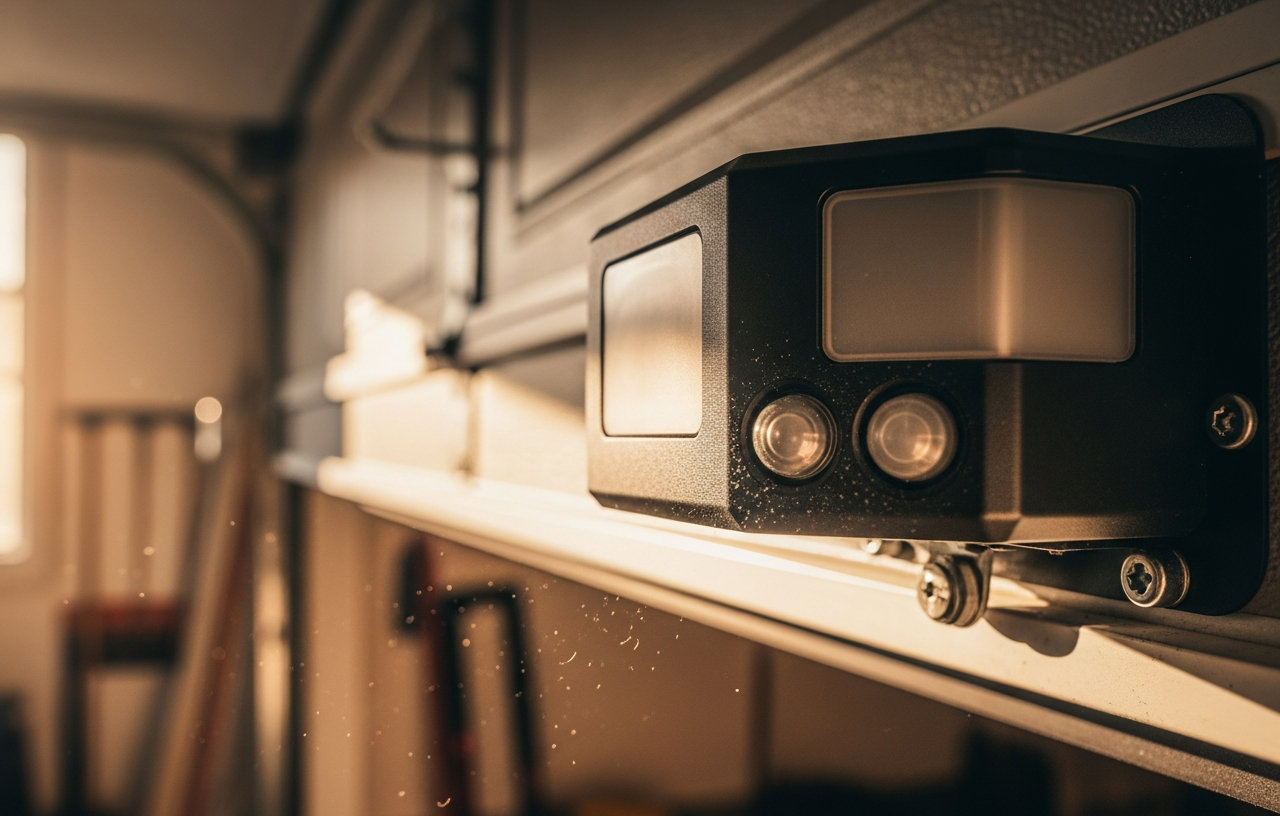
The most frequent reason a garage door won't close all the way is an issue with the safety sensors. These small devices are mounted on each side of your garage door track, about six inches from the floor. They project an invisible infrared beam across the door opening. If anything breaks this beam while the door is closing, the opener automatically reverses the door to prevent injury or damage. The safety sensors are a critical safety feature.
Check both sensor units. Look for dirt, spiderwebs, or debris blocking the lens. Clean them with a soft cloth. Also, make sure they are aligned correctly. Each sensor usually has an indicator light. If a light is off or blinking, it often means the beam is interrupted or misaligned. Gently adjust the sensors until both lights are solid. Sometimes a bump from a car or a child's ball can knock them out of alignment. You can find detailed instructions on how to align garage door sensors on our site. If the sensor wires are damaged, they may need replacement. A professional service call to fix sensor issues costs about $80-$150, plus parts if wiring is needed.
Incorrect Limit Switch Settings
If your garage door won't go all the way down, the limit switches might need adjustment. These switches tell the opener motor how far the door should travel in both the open and close directions. If the close limit switch is set too high, the opener thinks the door has reached the floor before it actually has, causing it to stop prematurely or reverse.
Locate the limit adjustment screws on your garage door opener motor unit. These are typically labeled "Up" and "Down" or "Open" and "Close." Consult your opener's manual for exact locations and adjustment methods. For most screw drive models, turning the 'down' limit screw clockwise will increase the downward travel, allowing the door to close fully. Make small adjustments, about a quarter turn at a time, and test the door after each adjustment.
For Genie Screw and Trac Drive garage door openers with Standard Rail assemblies, a common culprit can be a faulty limit switch itself. The Genie Screw & Trac Drive Garage Door Opener Replacement Limit Switch 20113R is a top pick, designed specifically for these models (not Excelerator models). This replacement switch can restore proper operation. Another option, compatible with various Genie screw drive units (except newer magnetic limits for Excelerator screw drives), is the 2 Garage Door Opener Limit Switche for Genie Overhead Door Screw Drive 20113R 19795S 22785R. Replacing a limit switch can be a DIY task for many homeowners. If you are uncomfortable with electrical components, a technician can perform this repair for $150-$300, including parts and labor.
Broken Garage Door Springs
A broken garage door spring will definitely prevent your garage door from shutting all the way. The springs, either torsion or extension, counterbalance the door's weight, making it light enough for the opener to lift and lower. If a spring is broken, the opener struggles with the full weight of the door. It might stop halfway, or struggle to move at all. You will often hear a loud snap when a spring breaks. Visually inspect your springs. Torsion springs are mounted above the door, while extension springs run along the sides of the tracks. A gap in a spring or a visibly stretched spring indicates it is broken.
Do not attempt to operate a garage door with a broken spring. The opener is not designed to lift the door's full weight, and this can damage the motor. Replacing garage door springs is dangerous due to the high tension involved. It is best left to professionals. The garage door spring replacement cost typically ranges from $200-$400 for parts and labor, depending on the type and number of springs.
Track Obstruction or Damage
Debris in the track or a bent track can also cause the garage door to stop halfway or not close completely. The rollers need a clear, smooth path to travel up and down. Inspect the tracks for any objects, dirt, or signs of damage. Even a small pebble can impede the door's movement. Clean the tracks thoroughly. Look for bent sections or dents in the metal. A damaged track can cause the rollers to bind, which activates the opener's safety reverse mechanism or prevents the door from moving properly. Small bends can sometimes be gently hammered back into place with a rubber mallet. Significant damage to the tracks or rollers may require professional repair. This might cost $100-$300, depending on the extent of the damage and whether track sections or rollers need replacing.
Incorrect Force Settings
Garage door openers have adjustable 'force settings' that dictate how much power the motor applies to open and close the door. If the down-force setting is too low, the opener might sense resistance (even minor resistance) as an obstruction and reverse the door before it fully closes. It might stop halfway. These settings are usually found on the motor unit, often near the limit adjustment screws. Look for dials or screws labeled 'Force' or 'Down Force.' Refer to your owner's manual for specific instructions.
Increase the down-force setting incrementally, a small turn at a time. Test the door after each adjustment. Do not set the force too high. If the force is too high, the door might not reverse if it encounters an actual obstruction, posing a safety risk. The door should reverse easily if it meets resistance, like a small piece of wood placed on the floor under it. Adjusting force settings is a simple DIY task and costs nothing.
Remote Control or Wall Button Issues
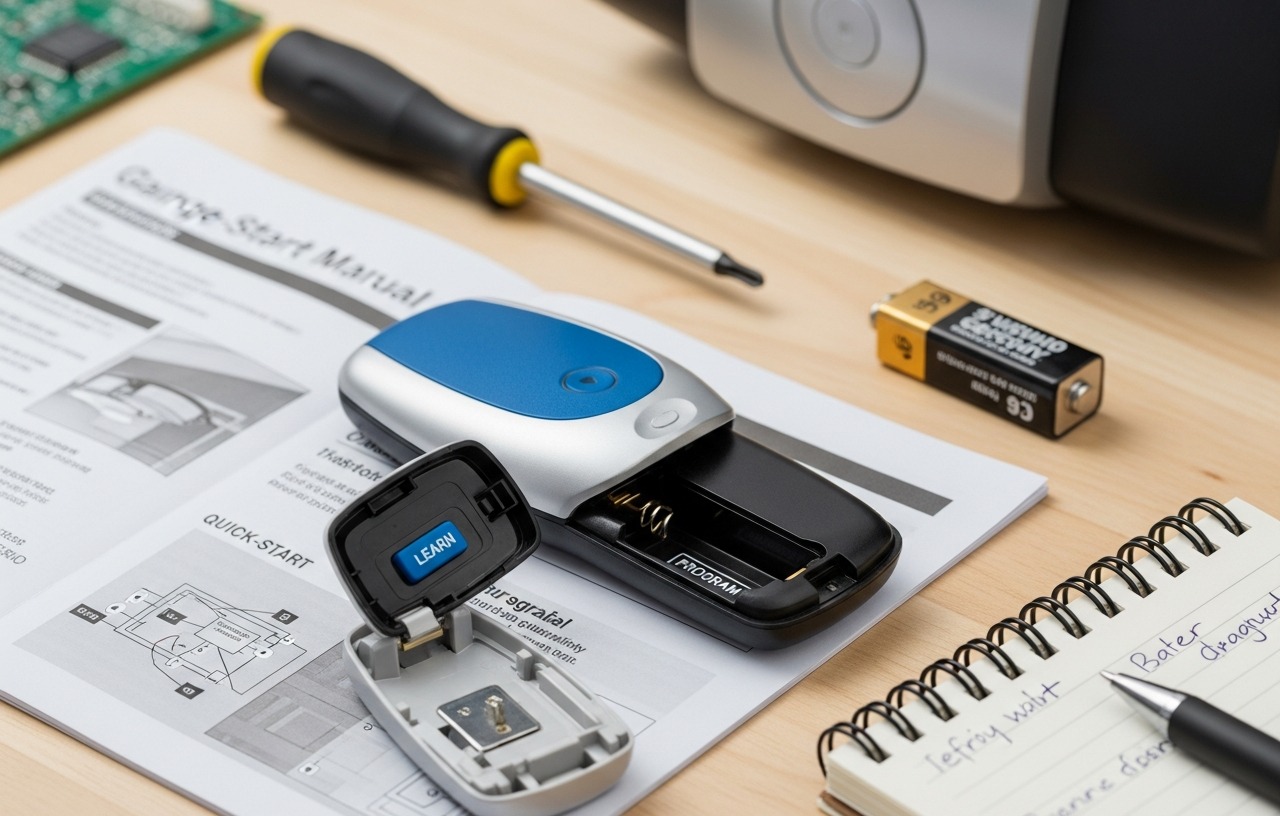
Sometimes, the problem isn't with the door itself, but with the signal telling it to close. If your garage door won't stay down, or only closes partially, test both your remote control and the wall-mounted button. If one works and the other doesn't, the issue might be with the malfunctioning device. This usually leads to the door not moving at all, but sometimes an intermittent signal can cause odd behavior. Replace the batteries in your remote. If the wall button is faulty, it might need replacement, which is a relatively inexpensive part and a simple wiring job. A new remote or wall button costs $20-$50. A professional service call to diagnose and replace these items would be $80-$150.
Motor or Logic Board Malfunction
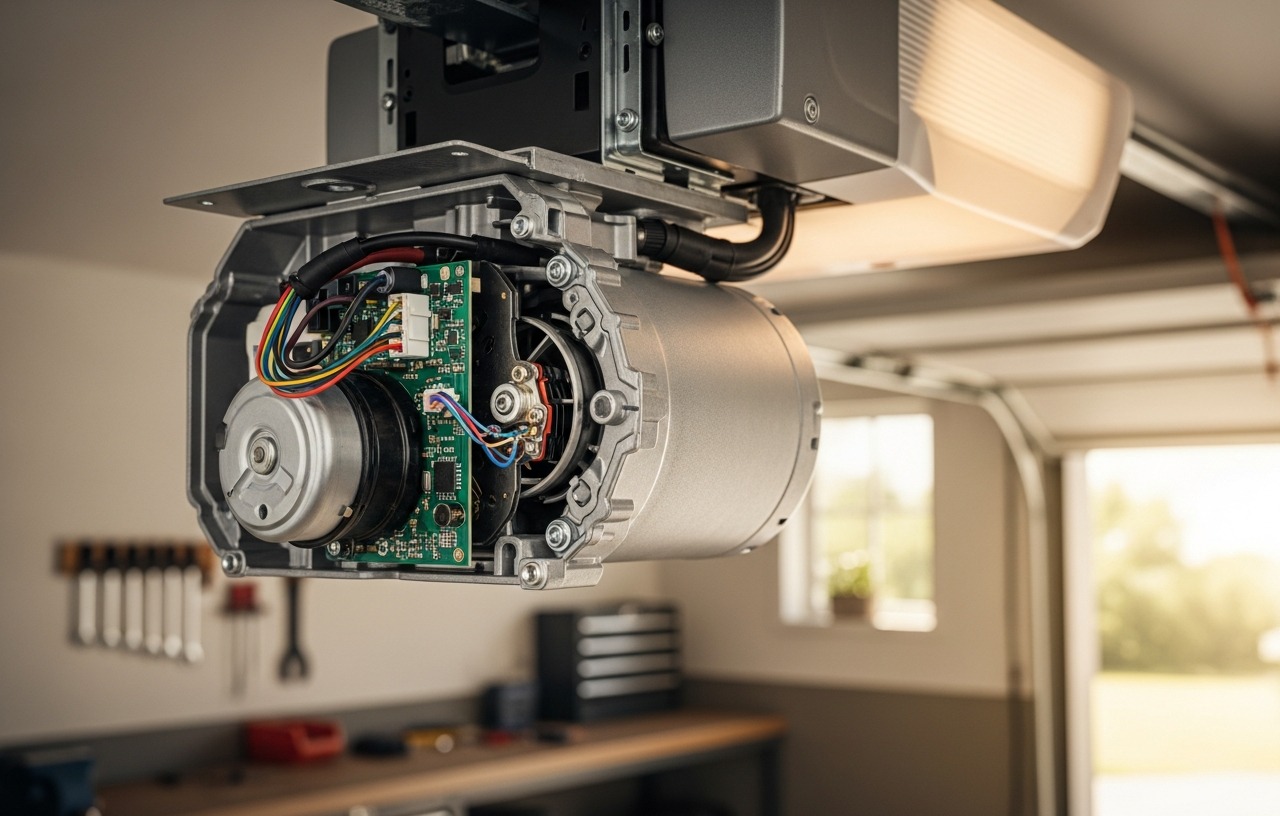
When other troubleshooting steps fail, the problem might stem from the garage door opener's motor or logic board. These are the 'brains' of the system. A failing motor might struggle to provide enough power to close the door fully. A malfunctioning logic board could misinterpret signals, causing erratic behavior like stopping halfway or reversing without cause. Symptoms can include grinding noises, intermittent operation, or a complete lack of response. You can learn more about issues like garage door opener grinding noise on our site. Diagnosing these complex electrical components often requires specialized tools and expertise. Replacing a logic board can cost $150-$400 for parts and labor, while a full motor replacement might range from $300-$700 or more, depending on the opener model and brand.
When to Call a Professional
Many garage door problems can be resolved with basic DIY troubleshooting. However, some situations warrant calling a professional garage door technician.
- If you suspect a broken spring. Spring replacement is dangerous and requires specialized tools and training.
- If you have checked all the common issues (sensors, limits, tracks) and the garage door doesn't close all the way.
- If there are electrical issues with the motor or logic board. These components are complex and expensive to replace if done incorrectly.
- If the door itself is physically damaged, such as bent panels or tracks that cannot be straightened easily.
Repairs will add to this cost, depending on parts and labor. Always get multiple quotes and check reviews before hiring a technician.
Conclusion
A garage door that won't close all the way down is a common household frustration. Start your diagnosis with the safety sensors, then move to limit switches and physical obstructions. Many issues are simple to fix yourself. For more complex problems, especially those involving springs or internal motor components, contacting a professional ensures safety and proper repair. Regular maintenance, including cleaning tracks and sensors, can prevent many of these problems from occurring.
Genie Screw & Trac Drive Garage Door Opener Replacement Limit Switch 20113R
- Genie Garage Door Opener Limit Switch model 20113R
- Compatible with Genie Screw and Trac Drive garage door openers with Standard Rail assemblies
- Not compatible with Genie Garage Door Opener Excelerator Models
- Replaces Genie Genius Trac Drive limit switch models 19795S and 22785R
2 Garage Door Opener Limit Switche for Genie Overhead Door Screw Drive 20113R 19795S 22785R
- Compatible with all Genie screw drive units, other than the newest magnetic limits for excelerator screw.
- For the following p/n 20113R, 19795S and 22785R
- Works with screw and track drive openers with a standard rail
- Video installation instructions provided