
Lucas Oil 10533 White Lithium Grease - 8 Ounce Squeeze Tube, 2 Pack
- 2 Pack Value - Includes 2 Tubes - Meets NLGI-2 performance
- Long lasting
- Reduces wear
- Extreme friction reducer

B’Laster Silicone Lubricant Spray, 11 oz Aerosol Cans (12-Pack) to Silicone Spray Lubricant for Rubber & Plastic, Garage Door &
- LONG-LASTING SILICONE LUBRICATION to This silicone spray is designed to deliver smooth, long-lasting.
- DRY, CLEAN FINISH to The non-evaporative formula goes on clear and dries quickly, leaving a lubricating.
- SAFE FOR RUBBER & PLASTIC to Works as a rubber lubricant, plastic safe lubricant, and o-ring lubricant for.
- IDEAL FOR DOORS & TRACKS to Commonly used as a garage door lubricant spray and window track lubricant for.

Keze White Lithium Grease Tube Automotive Grasa De Litio Car Door Grease with Brush NLGI 2 Rust Corrosion Waterproof for Hinges,
- Reduces Noise & Wear for Metal-to-Metal: Eliminates squeaks and grinding in metal/plastic parts. Provides.
- Protects Against Rust & Corrosion: The bearing grease creates a waterproof barrier that blocks moisture in.
- Withstands Extreme Temperatures: Stable performance from -4°F to 392°F. Resists summer heat and winter.
- No-Mess Precision Application: Includes brush for clean, targeted use. Thick formula clings to surfaces.
Squeaking, grinding, or jerky movement from your garage door often signals a lack of proper lubrication. Over time, friction and debris can hinder its smooth operation, leading to increased wear and tear on components. Fortunately, learning how to lubricate garage door tracks and other moving parts is a simple DIY task that significantly extends the lifespan of your garage door system.
This guide provides a detailed walkthrough for lubricating your garage door, covering everything from cleaning the tracks to applying the correct lubricant to various components. You will learn how to grease garage door track parts effectively, ensuring your door operates quietly and efficiently for years to come.
Why Regular Garage Door Lubrication Matters
Proper lubrication reduces friction between metal components, which is the primary cause of noise and wear. When parts move smoothly, they experience less stress, preventing premature failure. Regular maintenance also protects against rust and corrosion, especially in humid environments, helping to preserve the integrity of your garage door system.
An unlubricated garage door works harder, putting strain on the opener motor. This can lead to increased energy consumption and, eventually, a garage door opener not working at all. Lubricating the actual tracks can attract dirt, dust, and grime, which will build up and create a sticky residue. This residue then hinders the rollers, causing more friction and noise, rather than less.
Instead of greasing the tracks, the goal is to keep them clean and free of obstructions. The lubrication is for the rollers, hinges, and springs, allowing them to glide smoothly within the clean tracks.
Tools and Materials You Will Need
Gathering your tools beforehand makes the lubrication process quick and efficient. This project typically takes 30-60 minutes, depending on the size of your garage door.
- Safety glasses
- Work gloves
- Step ladder
- Clean rags or microfiber cloths
- Wire brush or stiff-bristled brush
- Brake cleaner or general degreaser
- White lithium grease (spray or tube)
- Silicone spray lubricant (optional, for non-metal parts)
Choosing the Right Lubricant
Selecting the correct lubricant is critical for effective garage door maintenance. Not all lubricants are suitable, and some can even cause damage over time.
- White Lithium Grease: This is the top choice for metal-to-metal contact points, such as hinges, rollers (specifically their bearings and stems), and the opener's screw or chain drive. It provides long-lasting lubrication, reduces wear, and offers excellent protection against rust and corrosion. Many homeowners find the Lucas Oil 10533 White Lithium Grease - 8 Ounce Squeeze Tube, 2 Pack to be a reliable option. It meets NLGI-2 performance standards and is known for its durability. Another excellent option, researched from user reviews, is the Keze White Lithium Grease Tube which also meets NLGI 2 standards and offers rust protection and extreme temperature resistance.
- Silicone Spray Lubricant: While white lithium grease is preferred for metal, silicone spray is excellent for rubber seals, plastic parts, and sometimes the roller stems if you prefer a lighter, dry film. It leaves a clean finish and is safe for various materials. The B’Laster Silicone Lubricant Spray, 11 oz Aerosol Cans is a popular choice, known for its long-lasting, dry, and clean finish. However, remember this is generally not for the inside of the tracks themselves.
-
Avoid WD-40 or Motor Oil: These products are not suitable for garage door lubrication. WD-40 is primarily a penetrant and water displacer, not a long term lubricant. It evaporates quickly and can attract dust and grime, creating a sticky mess. Before touching any components, make sure the door is completely closed. Then, unplug the garage door opener from the electrical outlet. Use a clean rag to wipe down the inside surfaces of both vertical and horizontal tracks. Look for any visible dirt, dust, or old, dried grease. For stubborn grime, spray a small amount of brake cleaner or a general degreaser onto a rag and wipe the tracks thoroughly. Use a wire brush or stiff-bristled brush to dislodge any caked-on residue. Make sure to clean both the inner and outer surfaces where the rollers travel. A clean track allows the rollers to move freely without obstruction.
Step 3: Lubricate the Rollers (Estimated time: 5-10 minutes)
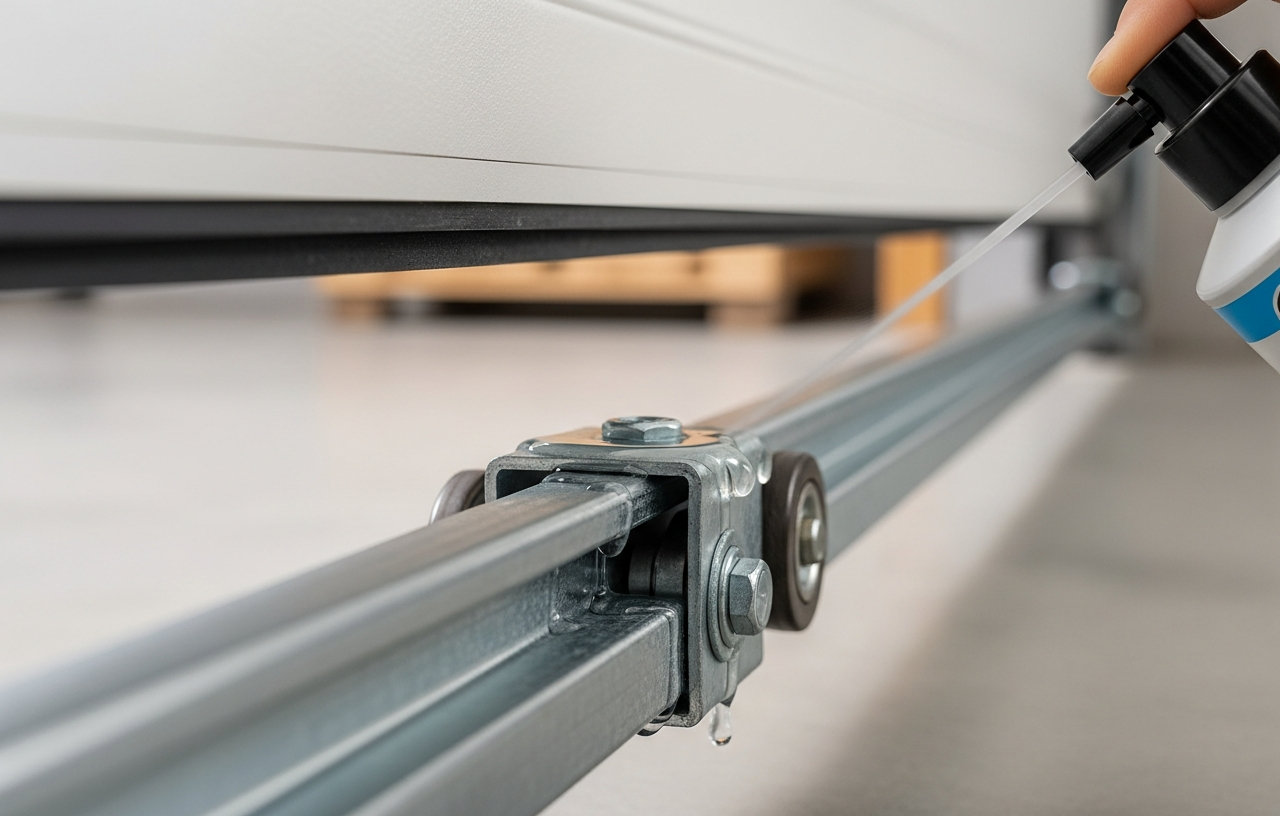
The rollers are key moving parts that glide along the tracks. There are two main types: nylon rollers (often sealed, requiring no lubrication on the bearings) and steel rollers (which have exposed bearings that need lubrication). For steel rollers, apply white lithium grease to the bearings where the wheel meets the shaft. You can also apply a small amount to the roller stem that slides into the hinge. For nylon rollers, apply a light coat of silicone spray or white lithium grease to the roller stem only, avoiding the nylon wheel itself.
Step 4: Lubricate the Hinges (Estimated time: 5-10 minutes)
The hinges connect the individual panels of your garage door and allow it to bend as it opens and closes. Apply white lithium grease to the pivot points of each hinge. Work the lubricant into the moving parts by gently opening and closing the hinge a few times. Do this for all hinges along the door, from the bottom to the top.
Step 5: Lubricate the Springs (Estimated time: 5 minutes)
The springs, whether torsion or extension, are under extreme tension and play a vital role in lifting the door. Lubricating them can reduce noise and extend their life. For torsion springs (the large spring or springs mounted directly above the door opening), apply white lithium grease to the coils themselves and the bearings at each end of the torsion bar. For extension springs (mounted above the horizontal tracks), lubricate the pulleys at each end. Exercise extreme caution when working near springs. They are under high tension and can cause serious injury if mishandled. Do not attempt to adjust or repair springs unless you are properly trained. If you suspect a broken garage door spring, contact a professional immediately.
Step 6: Lubricate the Garage Door Opener (Estimated time: 5-10 minutes)
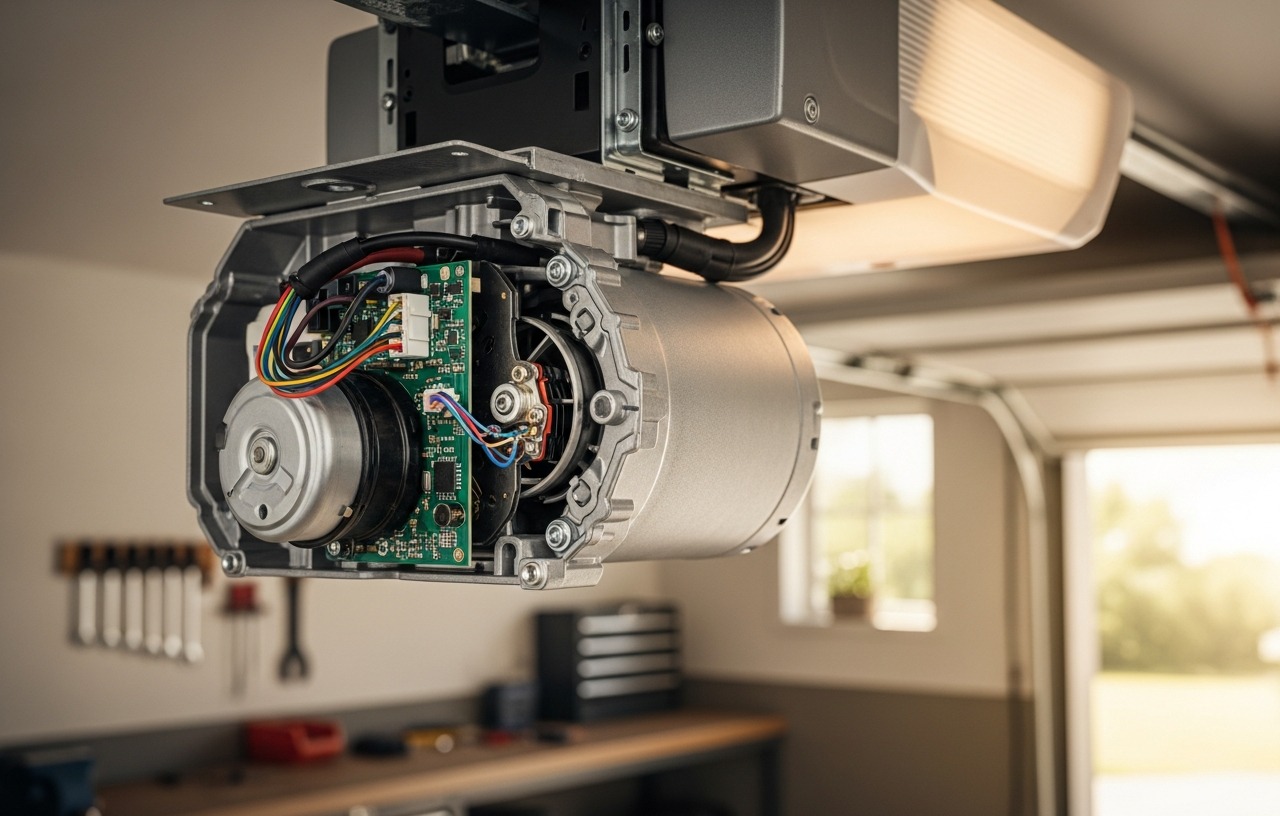
Learning how to grease a garage door opener depends on its drive mechanism. For chain-drive openers, apply white lithium grease along the length of the chain, focusing on the links. Run the door briefly (after reconnecting power in Step 7) to help distribute the lubricant. For screw-drive openers, apply white lithium grease directly to the screw drive itself. Again, a brief operation will spread the grease. Belt-drive openers typically do not require lubrication on the belt itself, as it is designed for maintenance-free operation.
Step 7: Test the Garage Door (Estimated time: 1 minute)
Once you have finished lubricating all components, reconnect the garage door opener to its power source. Operate the door manually a few times, then use the opener. Listen for any remaining squeaks or grinding noises. The door should now move smoothly and quietly. If you still hear unusual noises, re-check the affected areas and apply more lubricant as needed, or consider if another component is failing. Sometimes, a grinding noise from the opener might indicate a motor issue.
Regular Maintenance Schedule
To keep your garage door in optimal condition, aim to lubricate it at least once every three to six months. Doors in high-use garages or those exposed to harsh weather conditions (like extreme humidity or dust) may benefit from more frequent lubrication. If your garage door continues to operate noisily, jams, or experiences other problems after thorough lubrication, it could indicate a more serious underlying issue. This might include worn-out rollers, misaligned tracks, or major spring problems. If significant repairs are needed, such as garage door spring replacement or track realignment, the total cost will be higher. Do not hesitate to contact a professional if you feel uncomfortable or if the problem is beyond your DIY capabilities.
Final Thoughts
Learning how to lubricate garage door tracks, rollers, hinges, and the opener mechanism is an essential part of home maintenance. This simple, inexpensive procedure keeps your garage door operating smoothly, quietly, and reliably.
Our Recommendation🏆 TOP PICK
Lucas Oil 10533 White Lithium Grease - 8 Ounce Squeeze Tube, 2 Pack
Check Price on Amazon- 2 Pack Value - Includes 2 Tubes - Meets NLGI-2 performance
- Long lasting
- Reduces wear
- Extreme friction reducer
B’Laster Silicone Lubricant Spray, 11 oz Aerosol Cans (12-Pack) to Silicone Spray Lubricant for Rubber & Plastic, Garage Door &
Check Price on Amazon- LONG-LASTING SILICONE LUBRICATION to This silicone spray is designed to deliver smooth, long-lasting.
- DRY, CLEAN FINISH to The non-evaporative formula goes on clear and dries quickly, leaving a lubricating.
- SAFE FOR RUBBER & PLASTIC to Works as a rubber lubricant, plastic safe lubricant, and o-ring lubricant for.
- IDEAL FOR DOORS & TRACKS to Commonly used as a garage door lubricant spray and window track lubricant for.
Keze White Lithium Grease Tube Automotive Grasa De Litio Car Door Grease with Brush NLGI 2 Rust Corrosion Waterproof for Hinges,
Check Price on Amazon- Reduces Noise & Wear for Metal-to-Metal: Eliminates squeaks and grinding in metal/plastic parts. Provides.
- Protects Against Rust & Corrosion: The bearing grease creates a waterproof barrier that blocks moisture in.
- Withstands Extreme Temperatures: Stable performance from -4°F to 392°F. Resists summer heat and winter.
- No-Mess Precision Application: Includes brush for clean, targeted use. Thick formula clings to surfaces.