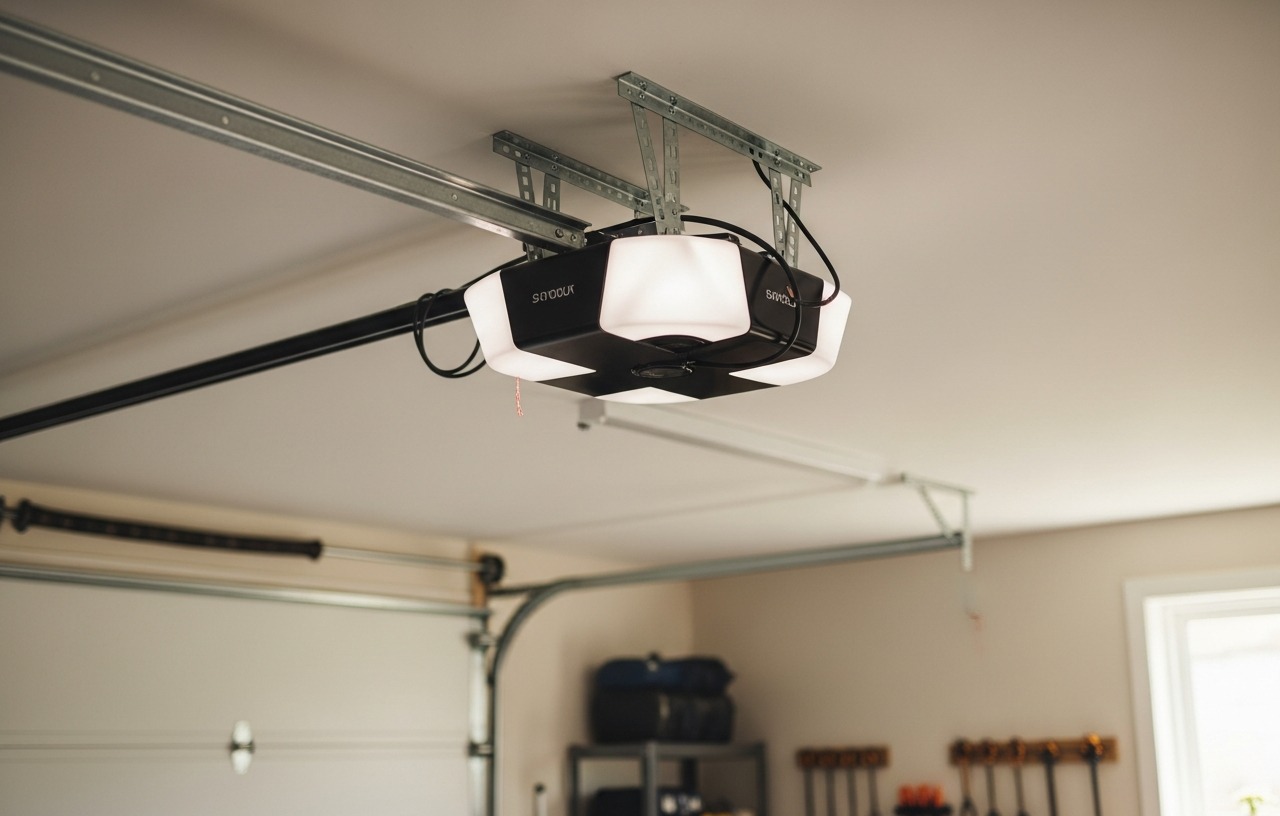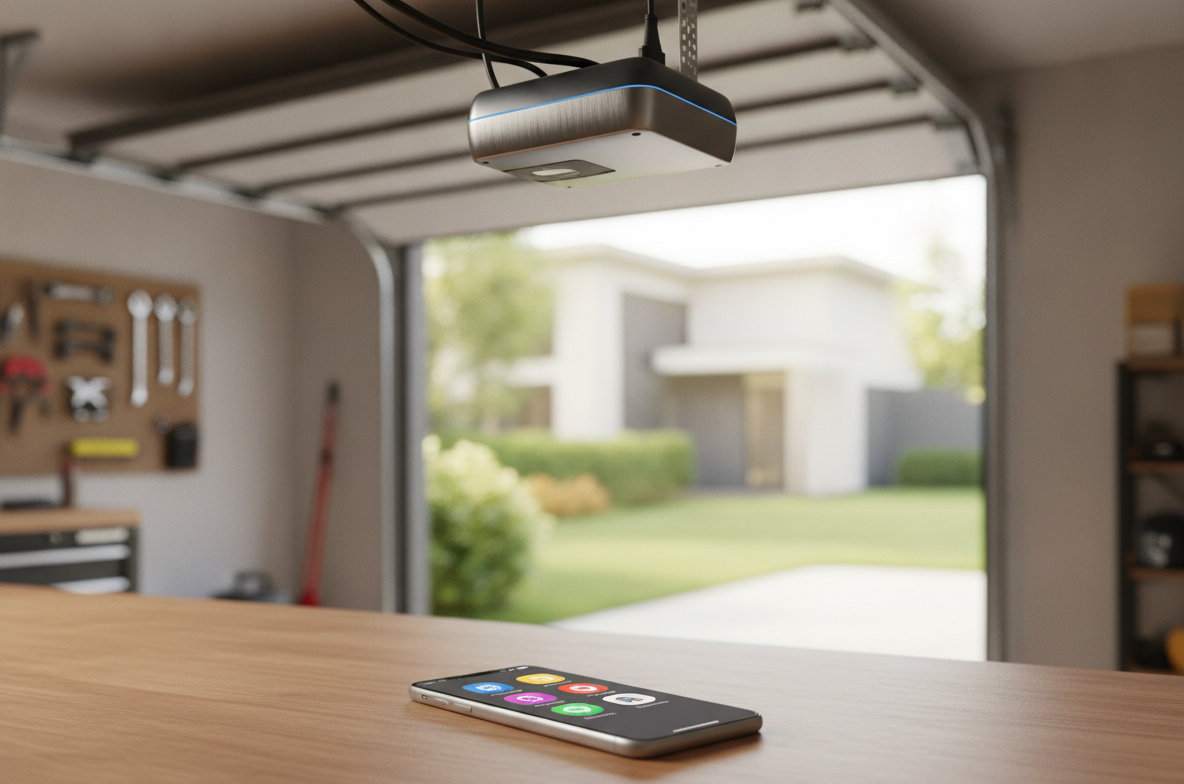
Smart garage door openers offer remote control and monitoring, enhancing home security and convenience beyond traditional systems. These devices connect to your home network, allowing you to manage garage access from virtually anywhere. This guide explains the essential and advanced features that define modern smart garage door openers, helping you understand what to look for when upgrading your garage.
What Defines a Smart Garage Door Opener?
A smart garage door opener goes beyond a simple remote control. It integrates with your home's internet network, typically via Wi-Fi, allowing control and monitoring from a smartphone app. This connectivity opens up a range of functionalities not available with standard openers. These systems typically consist of the opener unit itself, safety sensors, and an internet gateway or direct Wi-Fi capability.
Essential Smart Features Explained
Remote Access and Control
The primary appeal of a smart garage door opener is the ability to operate it from anywhere with an internet connection. Users can open or close the garage door using a smartphone app, whether they are at work, on vacation, or simply out of sight of the garage. This feature is particularly useful for letting in a delivery person or a family member without needing to provide a physical key or remote. Some systems allow for multiple authorized users, each with their own access credentials. For instructions on setting up new openers, see our guide on how to program a garage door opener.
Real-Time Notifications
Smart openers provide immediate alerts to your phone regarding the status of your garage door. You receive notifications if the door opens, closes, or remains open for a specified period. This helps prevent accidental openings and provides security alerts if the door is accessed unexpectedly. For example, if your child forgets to close the door after school, you receive an alert and can close it remotely.
Enhanced Security Protocols
Beyond basic notifications, smart openers incorporate several security layers. Many use rolling code technology, which changes the access code every time the opener is used, making it harder for unauthorized individuals to intercept and duplicate the signal. Some systems offer activity logs, detailing when the door was opened and by whom. Automatic closing features can be set to close the door after a set duration, such as 10 or 20 minutes, preventing it from being left open accidentally. This feature requires properly functioning safety sensors, which are discussed in our article on garage door sensor troubleshooting.
Smart Home Integration
Smart garage door openers often integrate with popular smart home ecosystems like Amazon Alexa, Google Assistant, Apple HomeKit, and Samsung SmartThings. This allows for voice control, letting you say "Alexa, open the garage door" or "Hey Google, close the garage." Integration also enables advanced automation, such as linking the garage door to your home's lighting system or security cameras. Geofencing is another integration feature, where the garage door can automatically open or close as your smartphone enters or leaves a predefined perimeter around your home.
Advanced Features for Added Convenience
Integrated Video Monitoring
Some premium smart garage door openers include a built-in camera, providing a live video feed of your garage directly to your smartphone. This allows visual verification of who is entering or leaving, or confirmation that the door has closed properly. Many cameras offer night vision and motion detection, recording clips when activity is sensed. This adds a significant layer of security and surveillance to your garage.
Package Delivery Integration
With the rise of online shopping, certain smart openers offer integration with secure in-garage delivery services. Companies like Amazon Key In-Garage Delivery can temporarily access your garage to place packages inside, then re-secure the door. This requires specific compatibility and subscription services, but it protects packages from weather and theft.
Battery Backup Systems
Power outages can render traditional garage door openers useless, trapping vehicles inside or outside. Many smart openers come with a battery backup system, allowing the door to operate for a limited number of cycles (typically 20-50 cycles over 24 hours) during a power failure. This is a critical safety and convenience feature, especially in areas prone to unreliable power grids.
Customizable Schedules
Users can set specific schedules for their garage door to open or close automatically. For example, you might schedule the door to open every weekday morning at 7:00 AM for easy departure and close at 9:00 PM for nightly security. This feature is useful for maintaining a consistent routine or for automated pet access if you have a doggy door into the garage.
Connectivity and Protocols
The method a smart garage door opener uses to communicate with your home network and devices affects its performance and compatibility. The most common protocols include:
- Wi-Fi: This is the most common. It connects directly to your home Wi-Fi network. It offers good range and speed but can be susceptible to network congestion.
- Bluetooth: This is used for local, short-range connections, often for initial setup or direct control when nearby. It is less common for remote operation.
- Z-Wave and Zigbee: These are mesh network protocols designed for smart home devices. They create a robust, low-power network where devices can relay signals, extending range and improving reliability. These require a compatible smart home hub.
For a deeper comparison of different smart home controllers, refer to our article on the .
Safety Standards and Compliance
All modern garage door openers, smart or traditional, must comply with stringent safety standards, most notably UL 325. This standard mandates features like auto-reverse mechanisms and safety sensors. The auto-reverse system must detect an obstruction when closing and reverse the door's direction within two seconds. Safety sensors, positioned 4-6 inches above the garage floor, project an infrared beam across the opening. If this beam is broken while the door is closing, the door must stop and reverse. These safety measures are non-negotiable and are integrated into the design of all compliant smart openers.
Installation and System Type Considerations
Smart garage door opener functionality can be integrated in two main ways: as a built-in feature of a new opener unit, or as an add-on controller to an existing traditional opener. Built-in smart openers, such as those from Chamberlain's myQ or LiftMaster's myQ lines, offer the most integrated experience. Add-on controllers, like the Meross Smart Wi-Fi Garage Door Opener or the Tailwind iQ3, connect to your existing opener's wall control terminals and provide smart capabilities. The installation cost for a new smart opener ranges from $150-$350 for labor, depending on complexity and location. An add-on controller can often be a DIY installation, saving on labor costs.
When choosing, consider your existing opener's age and condition. If your current opener is old or malfunctioning, replacing it with a new smart unit may be more cost effective than adding a controller. A service call from a garage door technician typically costs $80-$150, which includes diagnosis and minor adjustments.
Choosing the Right Smart Garage Door Opener
Selecting a smart garage door opener involves evaluating your specific needs for convenience, security, and smart home integration. Consider the following factors:
- Compatibility: Make sure the smart opener or controller is compatible with your existing garage door opener model and your preferred smart home ecosystem (Alexa, Google Home, etc.).
- Features: Prioritize the features that matter most to you, such as video monitoring, package delivery, or advanced scheduling.
- Connectivity: Decide between Wi-Fi, Z-Wave, or Zigbee based on your home network and existing smart devices.
- Security: Look for strong encryption, activity logs, and reliable real-time notifications.
- Ease of Use: A user friendly app interface is important for a positive experience.
While many smart features enhance safety, remember that the physical components of your garage door system, such as springs, cables, and sensors, require regular maintenance. A well maintained door makes sure the smart opener functions reliably and safely.
Smart garage door openers deliver significant upgrades in convenience, security, and home automation. By understanding the core features and advanced options available, homeowners can select a system that meets their lifestyle and enhances their property's functionality.