A sudden, jarring snap followed by a garage door that opens only partially or not at all usually indicates a broken torsion spring. Replacing a single garage door torsion spring yourself can cost as little as $40-$100 for the part, plus $15-$30 for winding bars. This cost often increases if two springs need replacing, which is a common recommendation.
Understanding Garage Door Torsion Springs
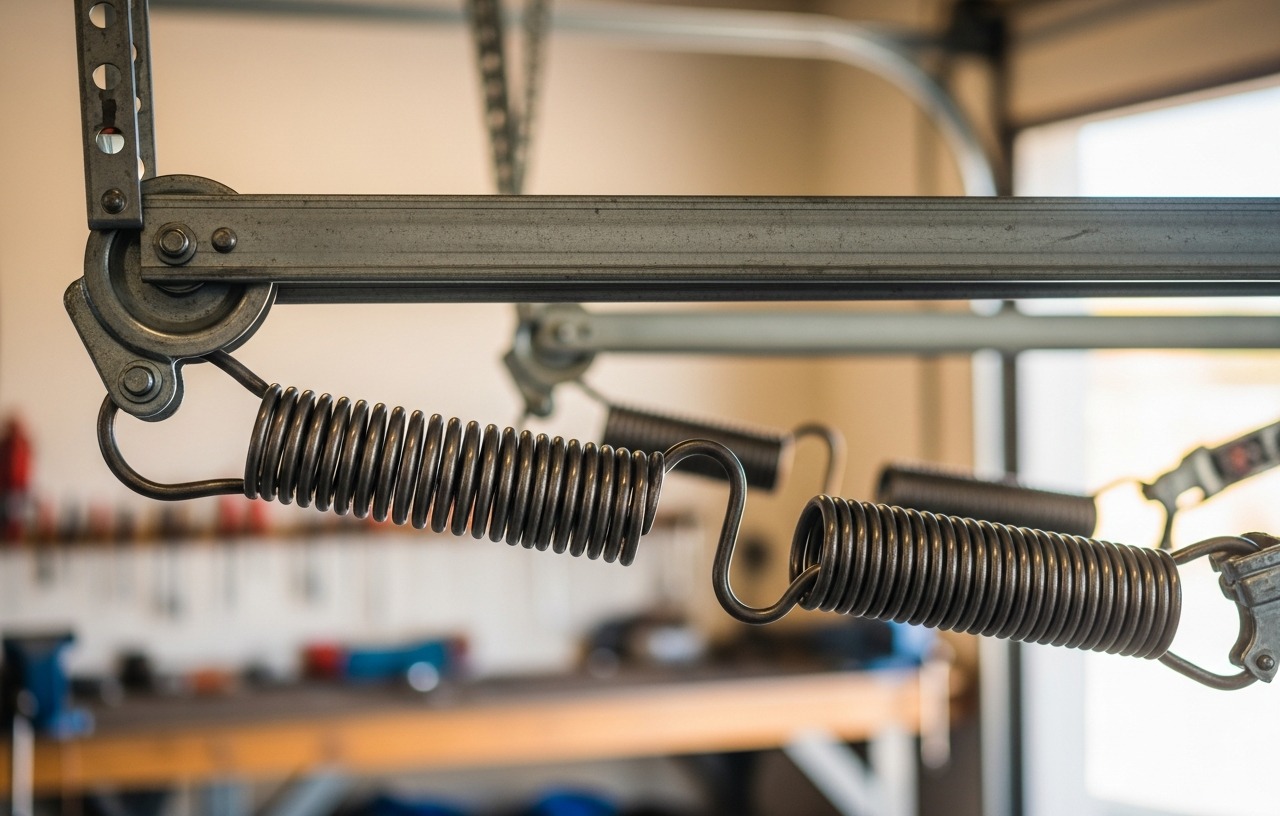
Torsion springs are critical components in overhead garage door systems. They counterbalance the door's weight, making it feel light enough for an opener to lift easily or for manual operation. These springs are mounted horizontally above the garage door opening on a metal shaft, called a torsion tube. When the door closes, the springs wind up, storing energy. As the door opens, the springs unwind, releasing that energy to assist in lifting the heavy door.
Most standard residential garage doors use one or two torsion springs. Heavier or wider doors often require two springs to provide adequate counterbalance. These springs are under extreme tension. This tension is what makes them effective, but it also makes them dangerous to handle without proper knowledge and tools. A typical torsion spring is rated for 10,000 to 15,000 cycles, lasting 7 to 10 years with average use. When one breaks, the door becomes significantly heavier, putting strain on the garage door opener and potentially causing it to fail.
Signs You Need Garage Door Spring Replacement
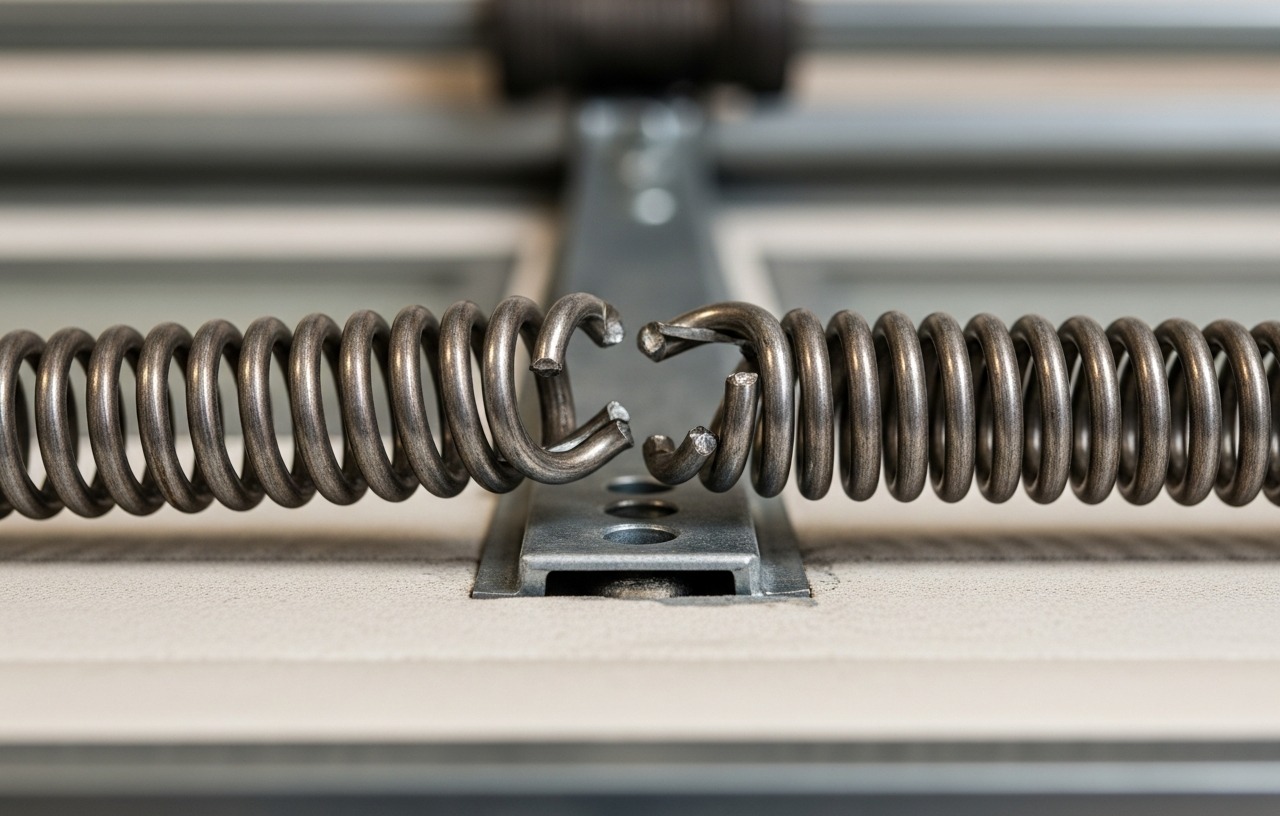
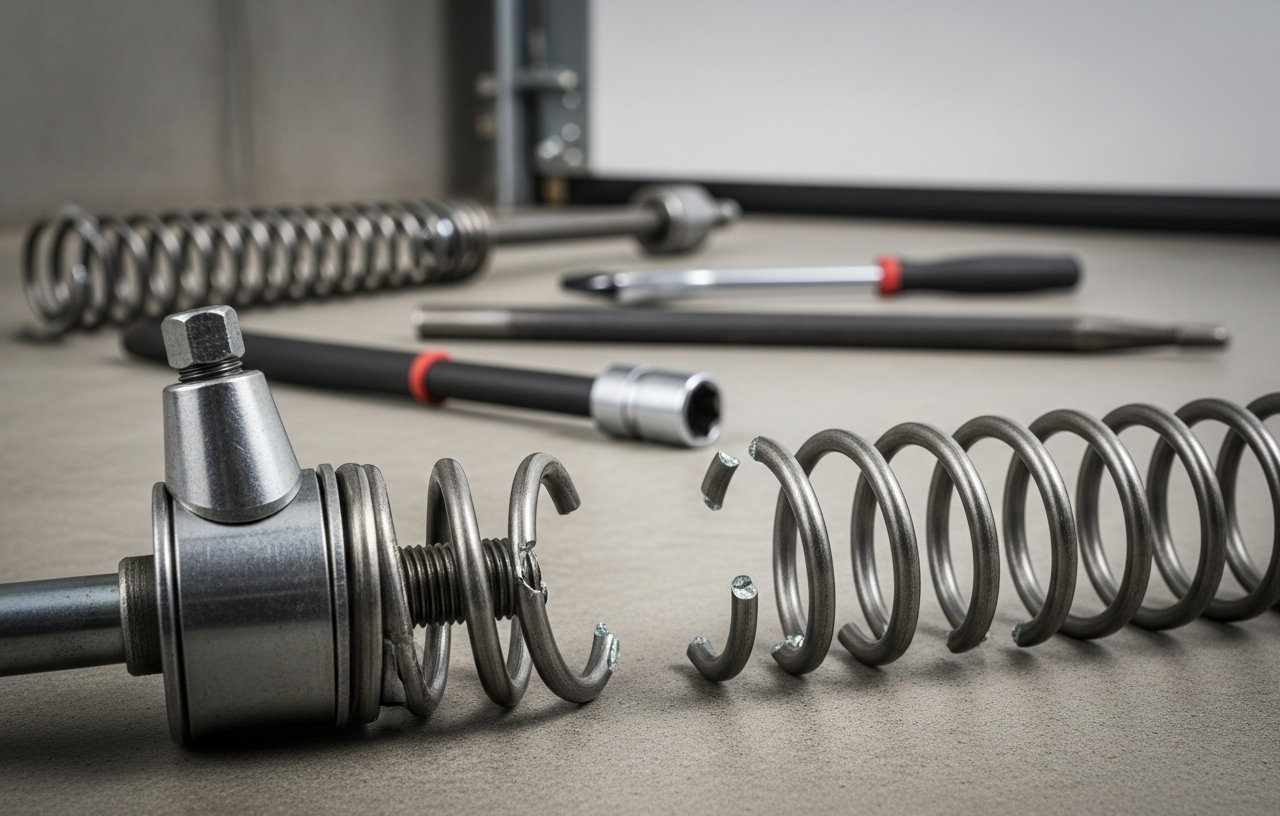
The most obvious sign of a broken torsion spring is a loud bang, sounding like a gunshot. This noise happens when the spring snaps under pressure. After this, you will notice immediate problems with your garage door's operation. The door may feel incredibly heavy when you try to lift it manually. If you have an automatic opener, it might struggle to lift the door, open it only a few inches, or not at all. You might also see a visible gap in one of the springs mounted above the door.
Another indicator is the door falling quickly or slamming shut when closing. This happens because the counterbalance is gone. If your garage door won't open at all, a broken spring is one of the primary culprits. You can learn more about diagnosing this issue by reading Garage Door Won't Open? 8 Causes and How to Fix Each One. Ignoring a broken spring can lead to further damage to your opener, cables, or even the door panels themselves.
DIY Garage Door Spring Replacement Cost
Attempting to replace a garage door torsion spring yourself can save a significant amount on labor costs. However, it requires specific tools, precise measurements, and a clear understanding of the safety risks involved. This is not a repair for everyone.
Cost of Parts for DIY
- Torsion Spring(s): The cost of the spring itself varies based on its size, wire gauge, and length. A single standard torsion spring purchased online typically costs between $40 and $100. If you have a heavier door or a two-spring system, you may need two springs, doubling this cost to $80-$200. Springs ordered from local hardware stores or specialty suppliers might be slightly more expensive, ranging from $60-$120 per spring. You will need to accurately measure your existing spring's wire size, inside diameter, and length to order the correct replacement.
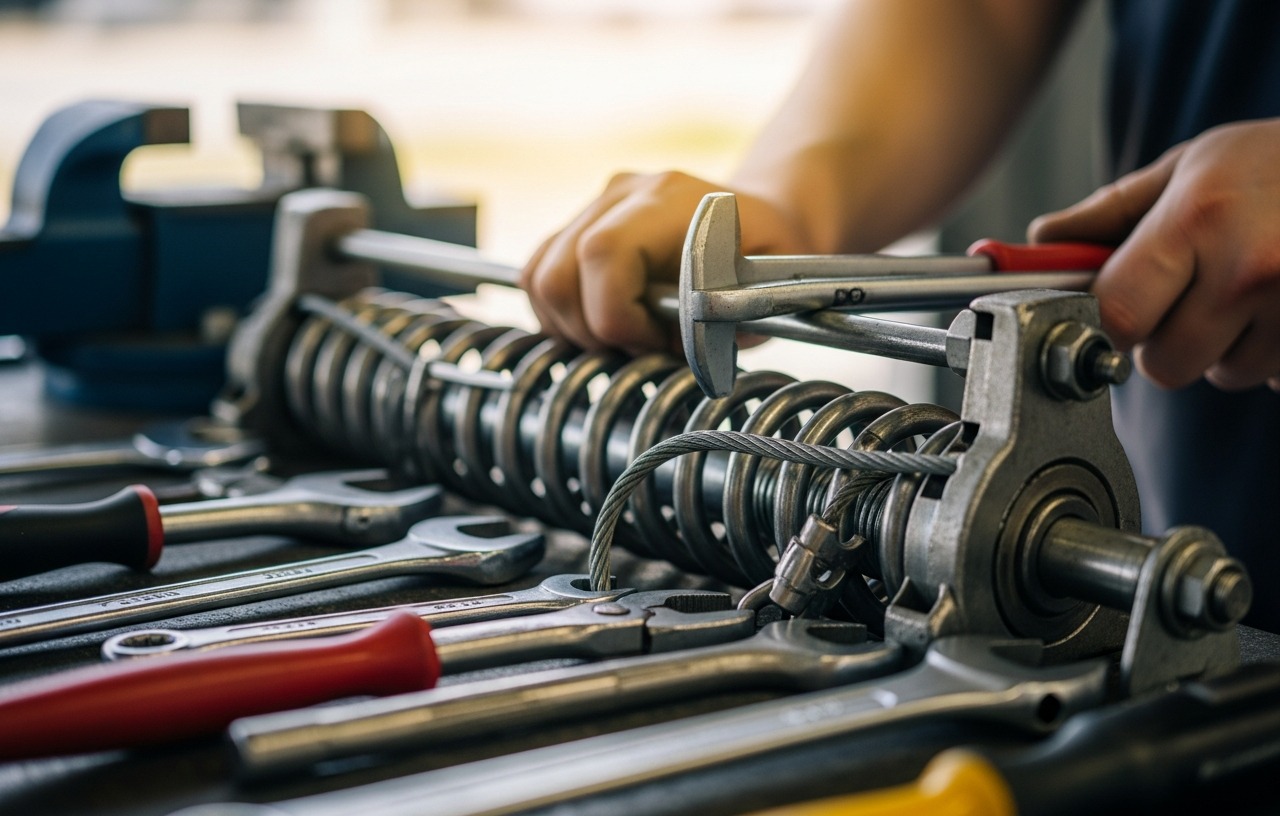
- Winding Bars: These specialized tools are essential for safely winding and unwinding the torsion springs. They are typically made of hardened steel and cost $15-$30 for a pair. Do not attempt to use screwdrivers or other makeshift tools, as they can slip and cause serious injury.
- Lubricant (Optional): A can of garage door lubricant costs around $5-$10 and can be used on the new spring and other moving parts to extend their lifespan.
Total DIY Part Cost: Expect to pay $55-$130 for one spring and winding bars, or $95-$230 for two springs and winding bars.
DIY Scenario: Replacing One Torsion Spring
Let's consider a scenario where a single torsion spring on a standard 16-foot wide garage door breaks. You decide to replace it yourself to save money. You accurately measure your broken spring and order a new one online for $65, including shipping. You also purchase a pair of winding bars for $20. Your total out-of-pocket expense for parts and specialized tools is $85.
The process involves unwinding the broken spring, carefully removing it, installing the new spring, and then winding it to the correct tension. This job can take an experienced DIYer 1-3 hours. Beginners may take longer. Proper safety precautions are absolutely critical. If you are considering this path, you should first read Broken Garage Door Spring: What to Do Right Now (And What Not To) for essential safety advice before touching anything. For a step by step guide, consider DIY Torsion Spring Replacement: No Torsion Tube Removal Needed.
Professional Garage Door Spring Replacement Cost
Hiring a professional garage door technician is the safest option, especially given the high tension involved with torsion springs. Professionals have the experience, specialized tools, and insurance to perform the job correctly and safely.
Breakdown of Professional Costs
- Service Call Fee: Most companies charge a service call fee to come to your home, which typically ranges from $80-$150. This fee often covers the technician's travel and initial diagnostic time. Some companies may waive this fee if you proceed with the repair.
- Labor Costs: Labor for replacing garage door springs can be charged hourly or as a flat rate. Hourly rates usually fall between $75-$150 per hour. Replacing a single torsion spring can take a professional 30 minutes to an hour, while replacing two might take 1 to 1.5 hours. Many companies offer a flat rate for spring replacement, which could be anywhere from $100-$300 for the labor portion of the job.
- Cost of Spring(s) (Supplied by Pro): When a professional supplies the spring, the cost is typically higher than if you bought it yourself. This covers their overhead, warranty, and the convenience of having the correct part on hand. Expect to pay $80-$150 per spring when purchased through a technician. They often install higher-quality, longer-lasting springs (e.g., 20,000-cycle springs) which contributes to the higher material cost.
Professional Scenario: Replacing Two Torsion Springs
Many technicians recommend replacing both torsion springs if one has broken, even if your system currently only has one. This is because springs are typically installed at the same time and have a similar lifespan. If one failed, the other is likely close behind. Replacing both at once saves you from another service call soon.
Consider a scenario where both torsion springs on a heavy, double garage door need replacing. A professional charges an $85 service call fee. Their labor is a flat rate of $200 for replacing two springs. They supply two high quality, 20,000-cycle springs at $120 each. The total cost for this professional garage door spring replacement would be:
- Service Call: $85
- Labor: $200
- Two Springs: $240 ($120 x 2)
- Total: $525
This is a realistic cost for replacing springs on a garage door with a professional. The exact garage door spring replacement price will vary by region, company, and the specific type of springs required for your door's weight and size.
Factors Influencing Garage Door Spring Replacement Cost
Several elements affect the overall cost for replacing springs on garage door systems.
- Number of Springs: Single-spring systems are generally cheaper to repair than double-spring systems because fewer parts are needed and less labor is involved. However, as noted, professionals often recommend replacing both springs in a two-spring system simultaneously to avoid future issues.
- Spring Type and Size: Torsion springs come in various wire gauges, diameters, and lengths. heavy duty springs designed for large, heavy doors will cost more than standard springs for lighter doors. Specialty springs, such as oil-tempered or galvanized springs, may also have a higher cost.
- Location: Labor rates can differ significantly between urban and rural areas, and across different states. Technicians in areas with a higher cost of living typically charge more.
- Emergency Service: If you need immediate service outside of regular business hours, expect to pay a premium. Emergency service calls can add $50-$150 to the total cost.
- Warranty: Professional installations often come with a warranty on both parts and labor, providing valuable protection. DIY repairs do not offer this benefit.
When to DIY and When to Call a Professional
Deciding whether to tackle garage spring replacement yourself or hire an expert depends on several factors: your comfort level with mechanical work, your understanding of safety procedures, and your budget.
When DIY Makes Financial Sense
DIY spring replacement is most financially sensible if:
- You have experience with complex mechanical repairs and are comfortable working with high-tension components.
- You possess or are willing to purchase the correct winding bars.
- You have carefully researched and understand the specific steps and safety precautions involved in replacing springs on your garage door.
- You are confident in accurately measuring and ordering the correct spring(s) for your door.
- You have ample time and patience to complete the job safely and correctly.
The savings can be substantial, often $150-$400 compared to professional services. The main cost will be the spring itself and the winding bars.
When Professional Service is Worth the Cost
Hiring a professional for overhead door spring replacement is highly recommended if:
- You lack experience with garage door repairs or are uncomfortable working with high-tension springs.
- You do not own or cannot easily obtain the specialized winding bars.
- You are unsure about measuring the correct spring specifications.
- You prioritize safety above all else. A professional significantly reduces the risk of injury.
- You want the job done quickly and correctly the first time, with a warranty on parts and labor.
- Your garage door is particularly large, heavy, or uses an older, less common spring system.
The cost for replacing garage door springs by a professional is an investment in safety, expertise, and reliability. This professional service avoids potential injuries and costly mistakes that could arise from an improper DIY attempt.
Extending the Life of Your Garage Door Springs
While you cannot prevent a spring from eventually breaking, some maintenance practices can help prolong its life:
- Lubrication: Apply a silicone-based or lithium-based garage door lubricant to the springs and other moving metal parts every 3-6 months. This reduces friction and wear.
- Regular Inspections: Periodically check your springs for signs of wear, rust, or gaps. Address any issues promptly.
- Proper Balance: Ensure your garage door is properly balanced. Disconnect the opener and manually lift the door halfway. If it doesn't stay in place, the springs may need adjustment (a job typically for professionals).
Understanding the cost for replacing garage door springs empowers you to make an informed decision. Whether you choose to undertake the task yourself or hire a qualified technician, prioritizing safety and correctness will ensure your garage door operates smoothly for years to come.