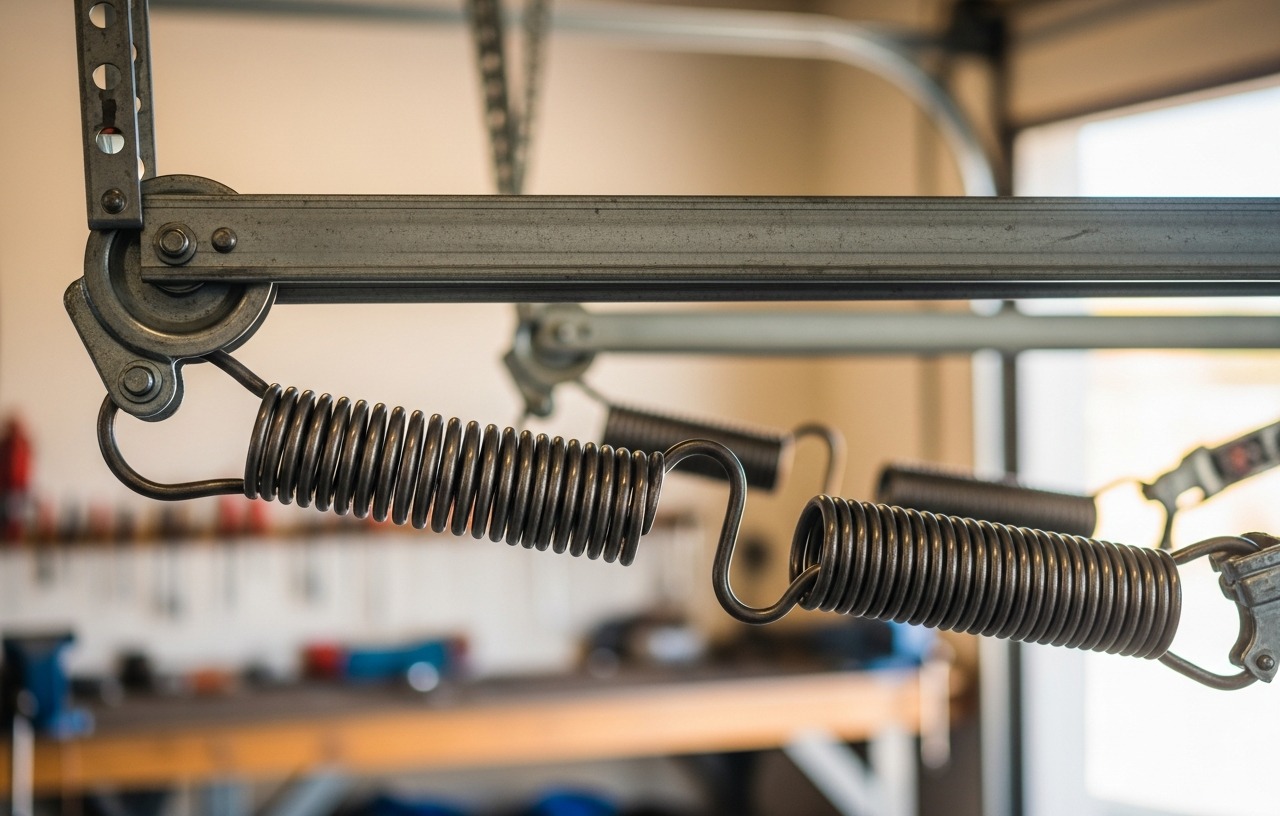
A garage door extension spring is a critical component that stretches to counterbalance the door's weight, allowing it to open and close with manageable effort. These springs run parallel to the horizontal tracks on either side of the garage door, contrasting with torsion springs which mount above the door opening on a shaft. When an extension spring fails, the door often feels extremely heavy, or it may not operate at all, posing a safety risk and rendering the garage unusable.
How Extension Springs Operate to Lift Your Door
Extension springs function by storing mechanical energy through extension. As the garage door closes, the springs stretch, building tension. When the door opens, this stored energy releases, helping to lift the door and reduce the workload on the garage door opener. This system involves several components working together.
- Springs: These heavy duty coiled wires provide the lifting force.
- Pulleys: Located at the ends of the springs and near the top corners of the door frame, these guide the lift cables.
- Lift Cables: These connect the bottom corners of the garage door to the pulleys, running through them and attaching to the spring assembly.
- Safety Cables: These run through the center of each extension spring and anchor to the wall or track, preventing a broken spring from flying across the garage.
When the garage door opener activates, it pulls the door up. The lift cables, connected to the bottom of the door, pull through the pulleys. This action causes the extension springs to contract, releasing their stored energy and making the door lighter to lift. Extension springs are easy to spot. They are long, coiled springs located on the sides of the door, above the horizontal tracks. There is typically one spring on each side. Torsion springs, by contrast, are mounted on a metal shaft directly above the garage door opening, parallel to the door itself. They twist to generate torque, rather than stretching.
Most standard residential garage doors use one of these two spring systems. Knowing which type your door has helps with troubleshooting and repair planning. For example, if your garage door won't open, identifying the spring type is one of the first diagnostic steps. You can learn more about common issues at Garage Door Won't Open? 8 Causes and How to Fix Each One.
The Importance of Safety Cables for Extension Springs
Safety cables are non-negotiable for any garage door system using extension springs. These cables run through the center of each spring and attach securely at both ends to the garage wall or track hangers. Their purpose is simple: if an extension spring breaks, the cable contains the spring. Without safety cables, a broken spring can whip violently, sending metal pieces flying at high speed. This poses a severe risk of injury to anyone nearby or damage to property. Always make sure your extension springs have properly installed safety cables.
Sizing Extension Springs for Your Door
Extension springs are specifically matched to the weight of your garage door. Using the wrong size spring causes problems. Springs that are too strong will prevent the door from closing fully or make it difficult to keep closed. Springs that are too weak will make the door feel heavy and strain the garage door opener, leading to premature opener failure. Garage door weights vary significantly, from lightweight single-car doors (around 80-100 pounds) to heavy double-car doors (up to 300-400 pounds).
Understanding Spring Color Codes
Extension springs are typically color coded to indicate their lifting capacity. Each color corresponds to a specific weight range. A two-spring system would use two 100-pound springs for a 200-pound door. Always consult the door manufacturer's specifications or weigh your door accurately before selecting replacement springs. The length of the spring when unstretched also matters. Common lengths include 25, 27, or 29 inches. The spring length must match the door's height and track radius for correct operation.
Typical Lifespan and Failure Signs
Garage door extension springs have a finite lifespan, measured in cycles. One cycle is one opening and one closing of the garage door. Most standard extension springs are rated for 10,000 cycles. For a typical household opening and closing the door 3-5 times a day, this translates to a lifespan of 5-7 years. Heavy use, such as 10 cycles a day, could reduce this to 2-3 years.
Signs of a Failing or Broken Spring
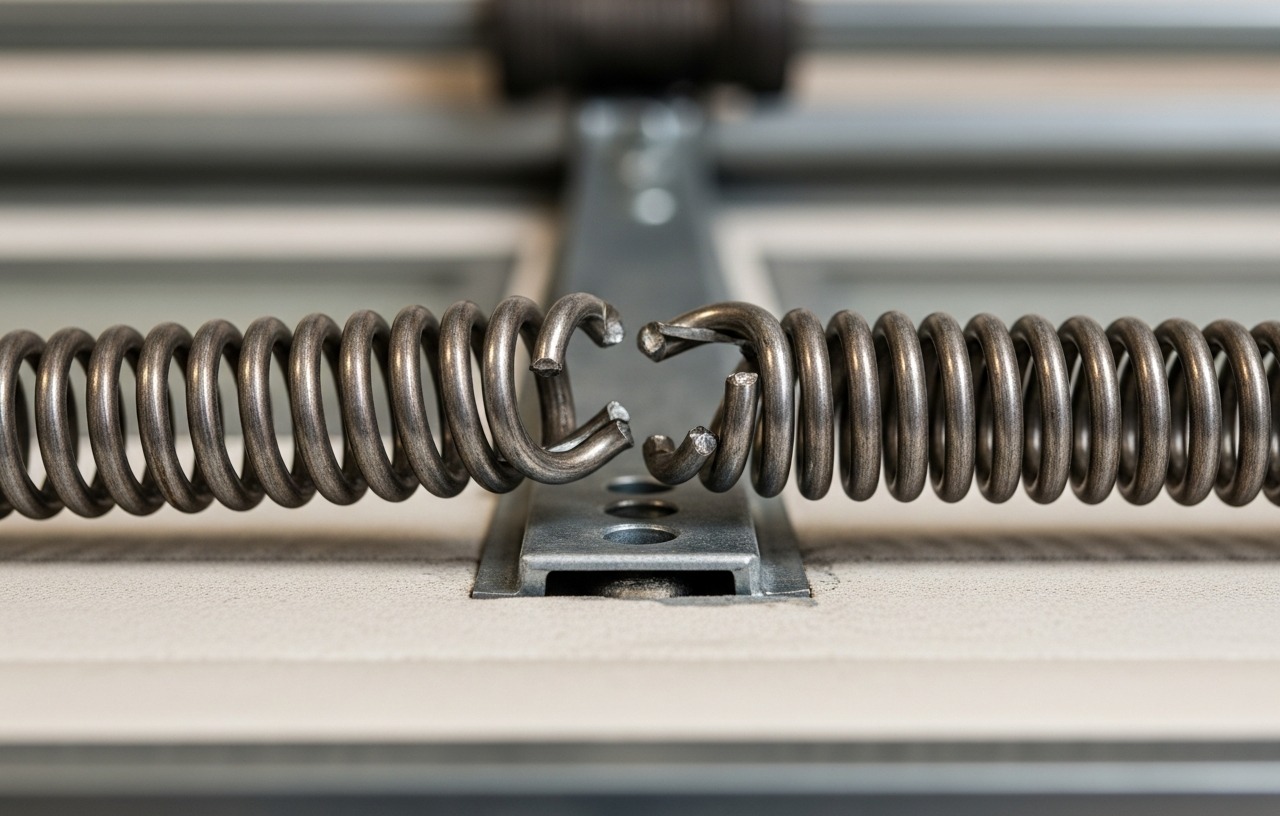
The most unmistakable sign of a broken extension spring is a loud 'bang' or 'snap' sound coming from the garage. This noise occurs when the tension in the coiled wire gives way. After the snap, you will notice immediate operational problems:
- Heavy Door: The door becomes incredibly heavy to lift by hand, often feeling like its full weight (e.g., 200 pounds for a standard double door).
- Lopsided Movement: If only one spring breaks, the door may sag on one side or move unevenly.
- Door Won't Open: The garage door opener struggles or fails to lift the door. It might lift it a few inches and then stop.
- Visible Gap: A clear gap in the coiled spring indicates a break.
If you suspect a broken spring, disengage the opener and attempt to lift the door by hand. If it feels too heavy, or if you can see a gap in the spring, it is broken. Do not attempt to operate the door with the opener if a spring is broken, as this can severely damage the opener motor or other components. Refer to Broken Garage Door Spring: What to Do Right Now (And What Not To) for immediate steps.
Replacing Extension Springs: Safety and Costs
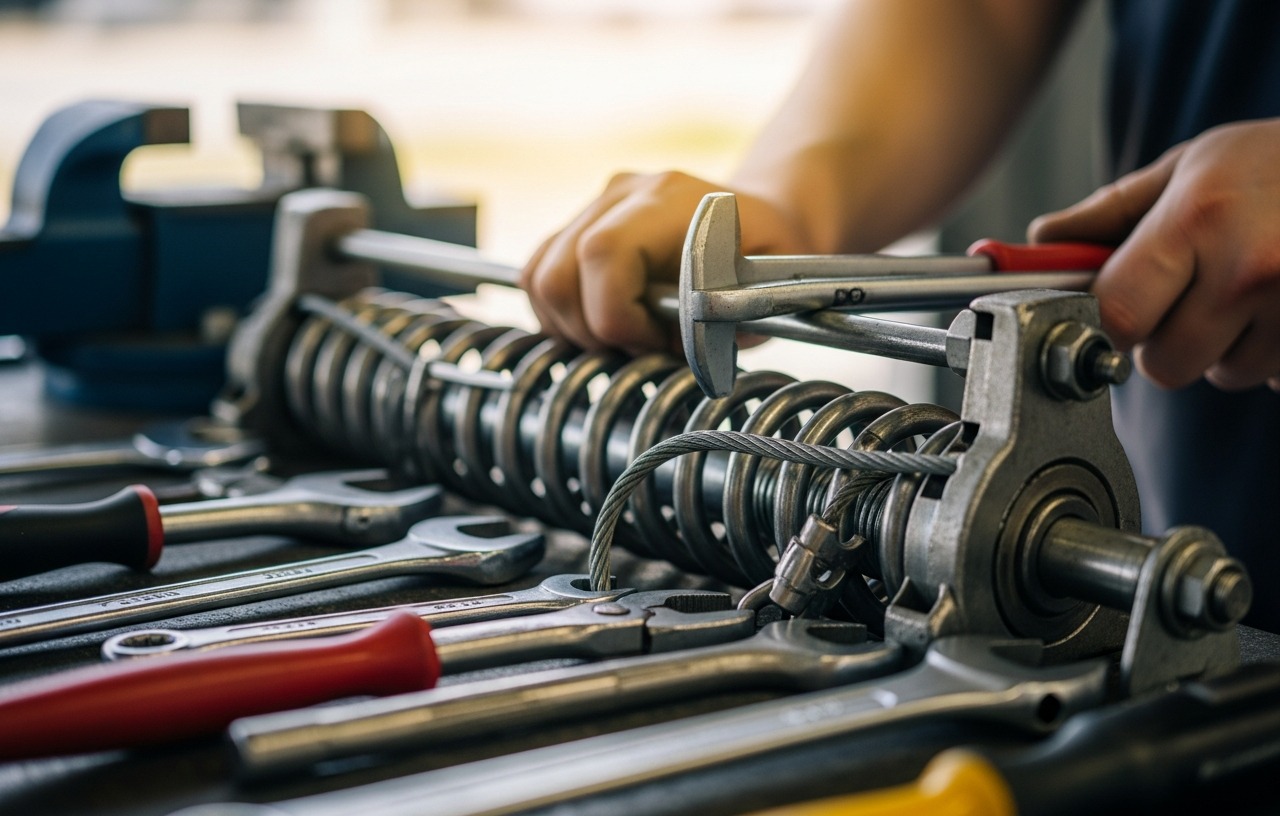
Replacing extension springs can be a DIY project for experienced homeowners, but it involves working with significant stored energy. Extreme caution is necessary. If you are uncomfortable, hiring a professional technician is the safer choice. Safety cables add another $10-$20. Essential tools like locking pliers and a winding bar (if needed for adjustments) might cost $30-$50 if you do not already own them. This includes the cost of the springs, labor, and a service call fee. Some companies charge a flat fee, while others break down parts and labor separately. A service call alone might be $75-$150, which is often waived if you proceed with the repair. Prices vary by region and technician. Perform these checks twice a year:
- Visual Inspection: Look for any signs of rust, corrosion, or gaps in the coils. Rust can weaken the spring and lead to premature failure.
- Lubrication: Apply a silicone-based garage door lubricant to the springs. This reduces friction and helps prevent rust. Avoid using oil-based lubricants, which can attract dirt and debris.
- Check Cables and Pulleys: Examine lift cables for fraying or wear. Make sure pulleys spin freely and are not worn or cracked.
- Test Door Balance: Disengage the opener and lift the door halfway. It should stay in place without assistance. If it drifts up or down, the springs are out of balance or weakening.
Properly maintained extension springs work reliably for their expected lifespan. Addressing minor issues quickly prevents more significant problems and ensures the safe operation of your garage door.