A sudden, loud bang followed by a garage door that feels incredibly heavy to lift by hand usually means a broken torsion spring. This spring system is critical for balancing the door's weight. It allows the opener to lift the door with minimal effort and enables safe manual operation. Without these springs, a garage door becomes a dangerous, immovable object.
What is a Garage Door Torsion Spring?
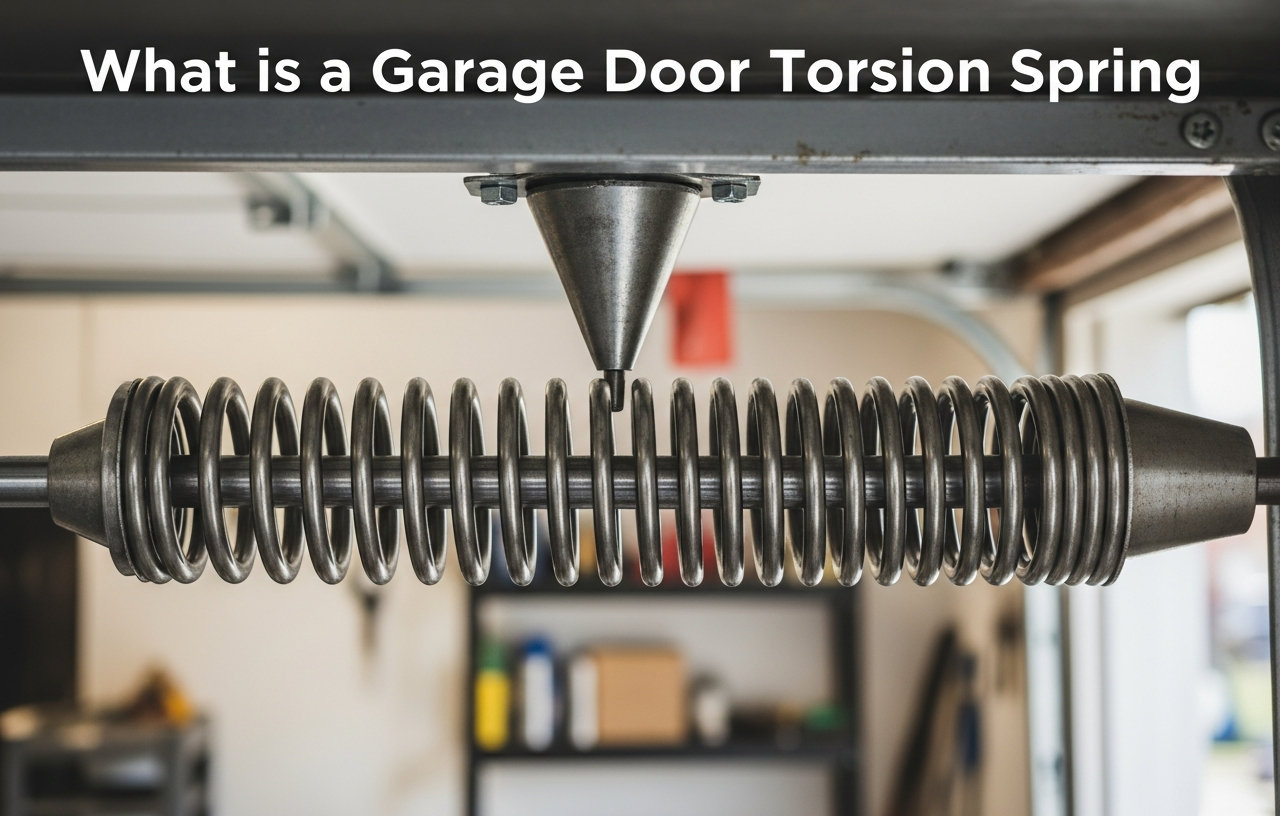
A garage door torsion spring is a coiled metal spring positioned horizontally above the garage door opening. It mounts onto a metal shaft, known as a torsion tube. This tube runs through the center of the spring and connects to cable drums located on each side of the door. The cables then extend from these drums down to brackets attached to the bottom of the garage door. The spring's primary role is to counterbalance the entire weight of the garage door, making it feel significantly lighter.
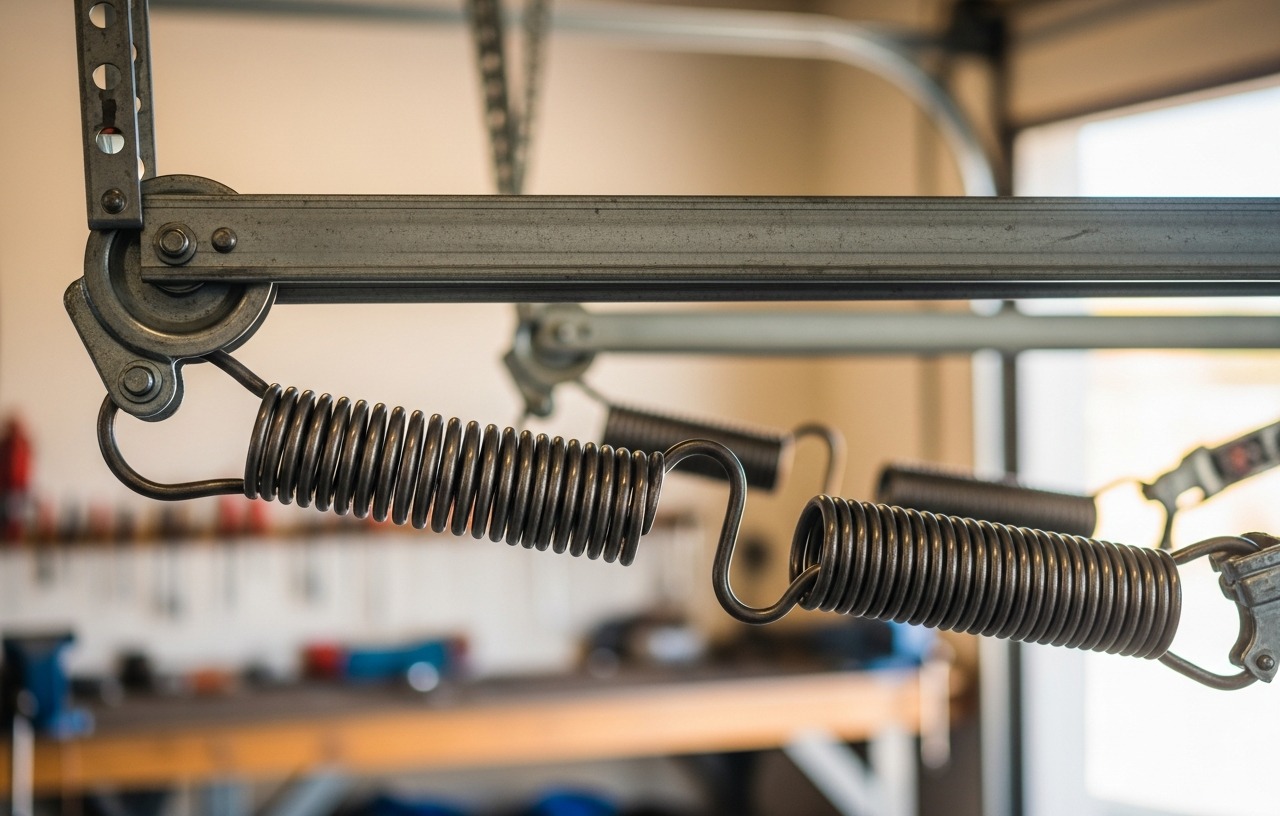
Torsion Springs vs. Torsion springs are mounted above the door opening and work by twisting. Extension springs, conversely, run parallel to the horizontal tracks on either side of the door and stretch to provide counterbalance. Most modern garage doors, especially heavier or wider ones, use a torsion spring system due to its greater durability and smoother operation.
How Garage Door Torsion Springs Work
The mechanism of a torsion spring is based on stored rotational energy. When the garage door closes, the cables attached to the bottom brackets pull on the cable drums. These drums rotate the torsion tube. This rotation winds the torsion spring (or springs), storing potential energy within the coiled metal. This energy directly opposes the force of gravity pulling the door down.
When the door opens, whether manually or with an opener, the spring unwinds. It releases the stored energy, which applies torque to the torsion tube. This torque helps lift the door. For example, a 200-pound garage door might feel like only 10-20 pounds with properly functioning torsion springs. This counterbalance significantly reduces the strain on the garage door opener, extending its lifespan.
Types of Torsion Spring Systems
Garage door torsion spring systems vary, primarily based on the door's weight and width.
- Single Torsion Spring System: Lighter garage doors, typically those 8 to 10 feet wide and weighing under 150 pounds, often use a single torsion spring. This spring provides enough torque to effectively counterbalance the door.
- Double Torsion Spring System: Heavier or wider garage doors, such as those 16 to 18 feet wide or weighing over 150 pounds, usually have two torsion springs. These springs are mounted on the same torsion tube, one on each side of the center bracket. This configuration distributes the load and provides the necessary lifting power. If one spring breaks, the other may still offer some resistance, but the door will still be extremely heavy and unsafe to operate.
- EZ-Set Torsion Springs: Some manufacturers, like Clopay, use an EZ-Set system. These springs are pre-wound and designed for easier installation, often with winding cones on both ends. While the winding process differs slightly, the fundamental principle of storing and releasing rotational energy remains the same.
Lifespan and Cycle Rating of Torsion Springs
Torsion springs are rated by cycles, where one cycle equals one full opening and one full closing of the garage door. Standard torsion springs are typically rated for 10,000 cycles. For a household that uses its garage door an average of 4 times per day (2 opens, 2 closes), a 10,000-cycle spring will last approximately 7 years.
Higher-cycle springs are available for an increased cost. These can be rated for 20,000, 25,000, or even 30,000 cycles. A 20,000-cycle spring, with the same usage pattern, could last about 14 years. Homeowners who frequently use their garage door, or those with very heavy doors, might consider investing in higher-cycle springs to reduce the frequency of replacements.
Signs of a Failing or Broken Torsion Spring
Recognizing the signs of a failing or broken torsion spring is critical for safety and preventing further damage to your garage door system.
- Loud Bang: The most common and unmistakable sign is a sudden, extremely loud bang, often described as a gunshot. This sound occurs when the spring snaps under tension.
- Door Feels Extremely Heavy: If you try to lift the garage door manually and it feels significantly heavier than usual, or if it immediately falls back down, a spring has likely broken. The opener will also struggle or fail to lift the door. For more on this, consult our guide on Garage Door Won't Open? 8 Causes and How to Fix Each One.
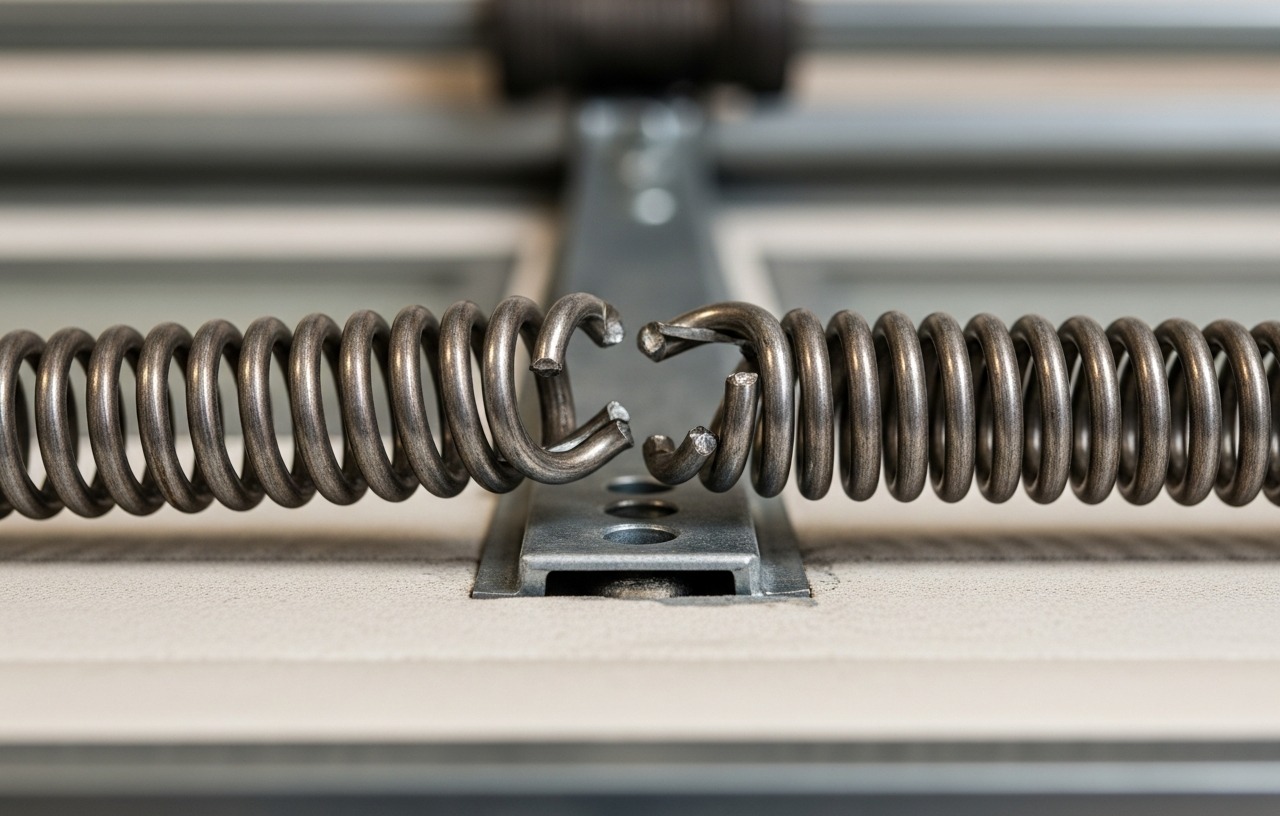
- Visible Gap in the Spring: After a loud bang, you might be able to see a visible gap of a few inches in the coiled spring itself, indicating where it broke.
- Door Opens Unevenly: If your garage door has two torsion springs and one breaks, the door might open crookedly or get stuck partway up, as the remaining spring tries to handle the entire load.
- Garage Door Opener Runs, But Door Does Not Move: The opener motor might hum or grind, but the door remains stationary. This means the opener is trying to work, but without the spring's counterbalance, it cannot lift the heavy door.
If you observe any of these symptoms, do not attempt to operate the garage door with the opener. Attempting to do so can burn out the opener's motor or cause further damage to the door system. Refer to our article Broken Garage Door Spring: What to Do Right Now (And What Not To) for immediate steps.
What Does a Garage Door Spring Do?
Beyond simply helping to lift the door, what does a garage door spring do at its core? It serves as the primary counterbalance mechanism for the door's weight. Imagine trying to lift a 200-pound object repeatedly without assistance. That is essentially what an opener would have to do without springs. The springs make the door neutrally buoyant, or close to it. This means the opener only needs to apply a small amount of force to initiate movement and control the door's speed.
This counterbalance function is also critical for safety. It prevents the door from crashing down unexpectedly, protecting people and property. It also allows for manual operation during power outages, as a properly balanced door should stay put when lifted halfway and can be opened with reasonable effort.
What Does It Cost to Replace a Garage Door Spring?
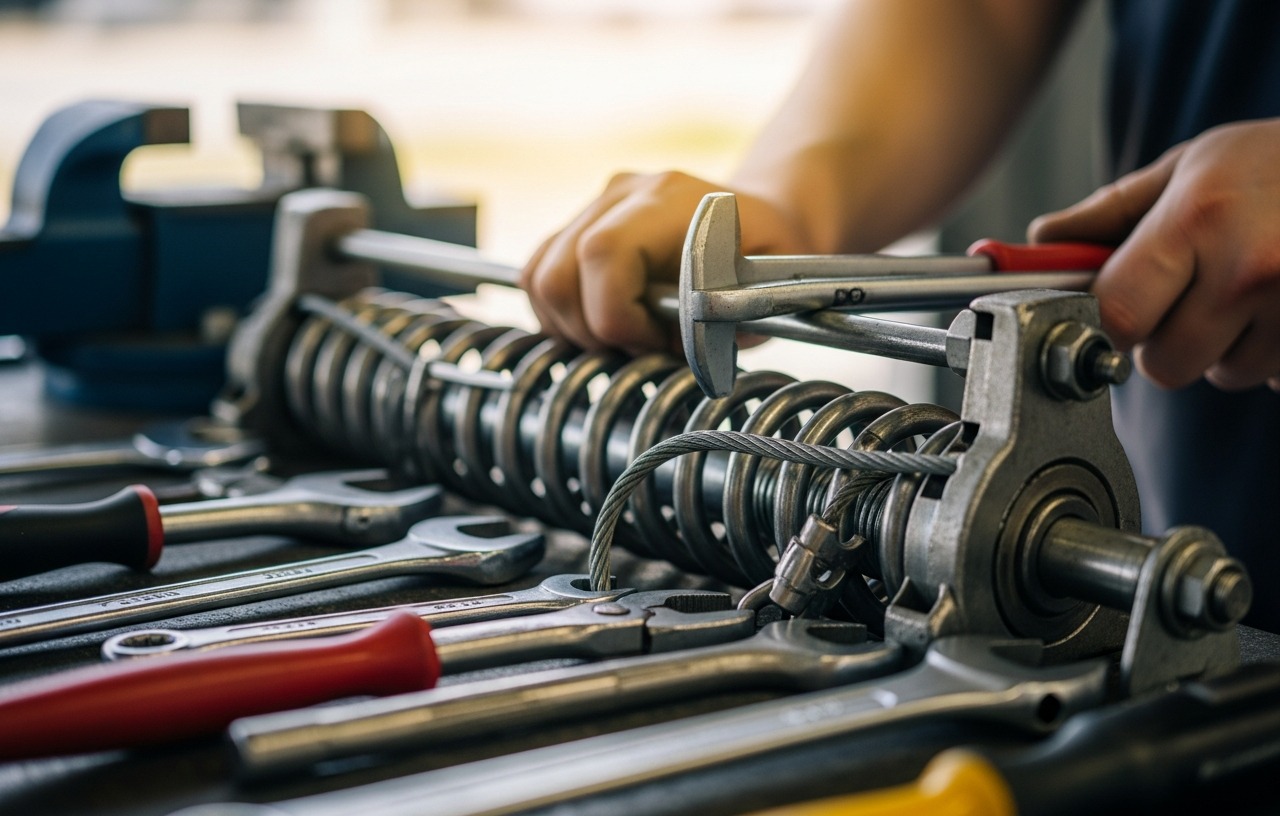
Replacing a broken garage door torsion spring is a task best left to professionals due to the high tension involved. High-cycle springs can range from $100 to $200 or more per spring.
You need three key measurements:
- Wire Size: This is the thickness of the spring wire itself. To measure it, count the number of coils in 10 or 20 inches of the spring and divide that by the length. For example, if there are 100 coils in 20 inches, the wire size is 0.200 inches. This measurement is critical.
- Inside Diameter (ID): This is the diameter of the spring's interior coil. Common IDs are 1.75 inches and 2 inches, though larger diameters exist for commercial doors. You can measure this with a ruler or calipers.
- Length: This is the total length of the spring when it is unwound. Measure from one end of the spring to the other.
These three numbers (wire size, inside diameter, and length) specify the spring's capabilities and are essential for ordering the correct replacement. Do not guess these measurements. Minor discrepancies can significantly impact the spring's performance and safety.
Maintenance for Torsion Springs
While torsion springs are robust, regular, simple maintenance can extend their lifespan and ensure smooth operation.
- Lubrication: Annually, apply a silicone-based garage door lubricant to the coils of the torsion springs. This reduces friction and prevents rust, which can weaken the spring. Do not use grease or oil, as these can attract dirt and debris.
- Visual Inspection: Periodically inspect the springs for any signs of wear, rust, or visible gaps in the coils. Look for corrosion, especially in humid environments.
- Balance Test: With the garage door closed, disconnect the opener. Manually lift the door halfway. A properly balanced door should stay in place without assistance. If it falls or springs up, the springs may need adjustment, which is a job for a professional.
Never attempt to adjust or wind torsion springs yourself without proper training and specialized tools. The tension stored in these springs is immense and can cause severe injury if released improperly.
Conclusion
Garage door torsion springs are vital components that ensure the safe and efficient operation of your garage door. Understanding what a garage door torsion spring is and how it works empowers homeowners to recognize problems early. While DIY replacement is strongly discouraged due to safety risks, knowing the typical lifespan and replacement costs helps you make informed decisions when a professional service call is necessary. Regular inspection and lubrication can help prolong the life of these essential springs.