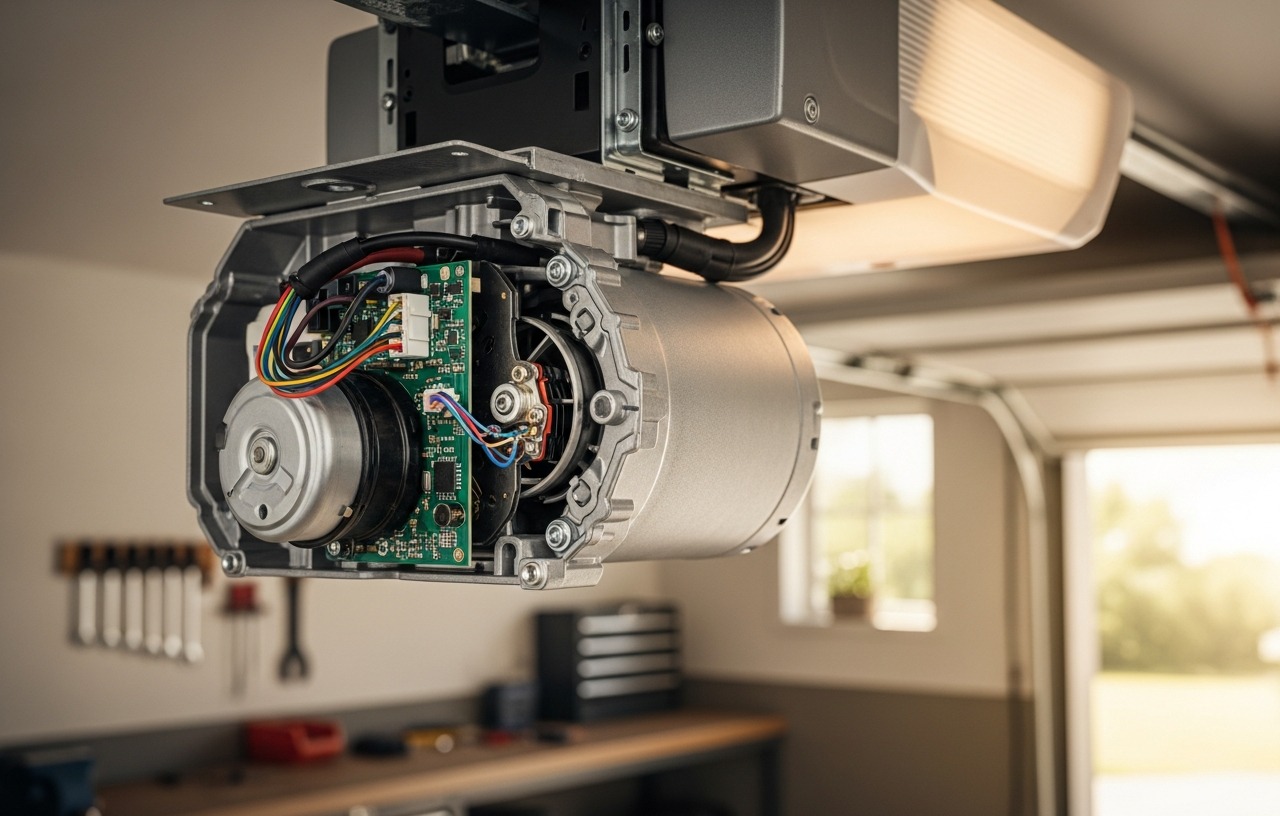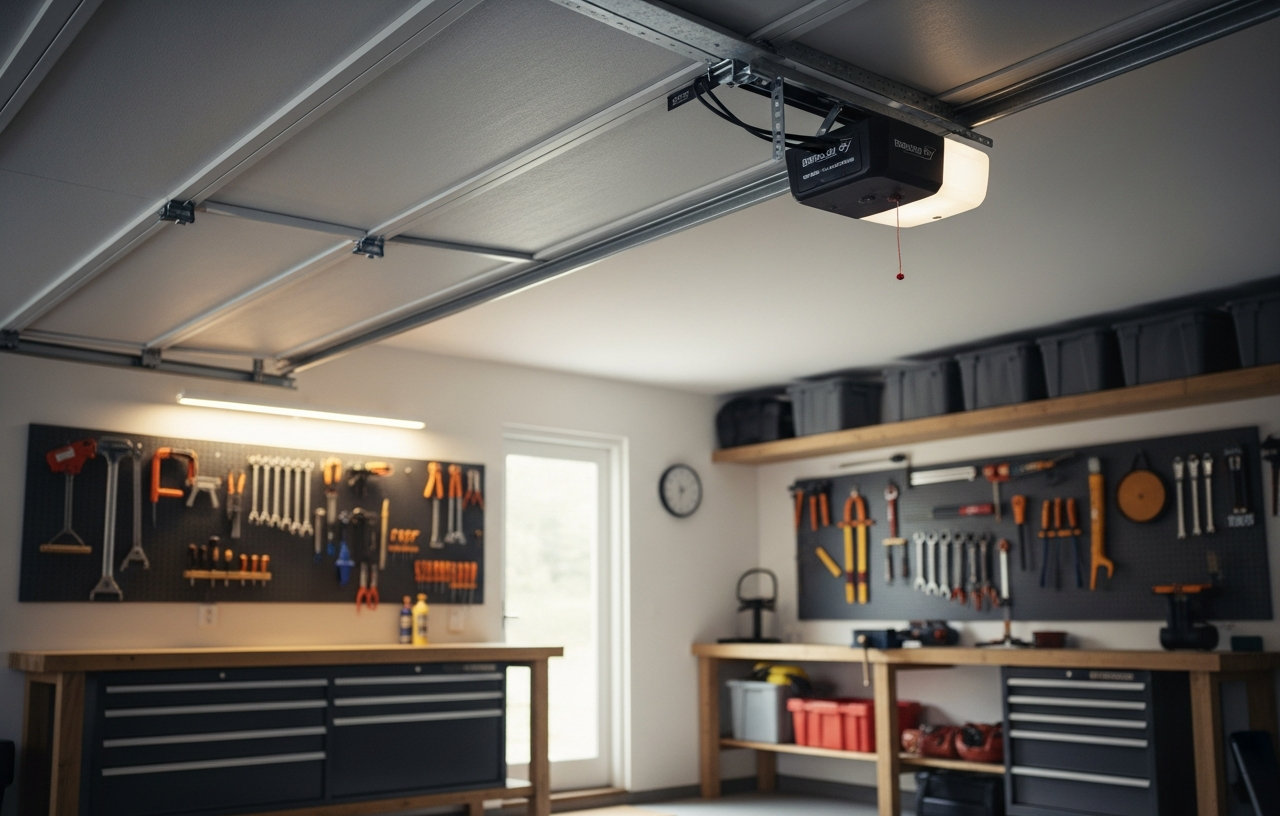
A garage door opener typically lasts between 10 and 15 years, or approximately 10,000 cycles of opening and closing. The life expectancy of a garage door opener depends heavily on several factors, including the frequency of use, the type of opener, the weight and balance of the garage door itself, and the consistency of maintenance. Recognizing these elements helps homeowners understand when to expect a replacement and how to extend the life of their current unit.
Understanding Garage Door Opener Lifespan Factors
Several variables influence how long your garage door opener will continue to operate effectively. These range from how often you use it to the environmental conditions in your garage.
Usage Frequency
The most significant factor affecting a garage door opener's lifespan is how often it is used. An opener rated for 10,000 cycles will last approximately 13 years if opened and closed twice a day. If the same opener is used four times a day, its lifespan drops to about 6.5 years. Homes with multiple vehicles, frequent commuters, or attached garages that serve as main entry points will experience faster wear on their openers.
Type and Weight of the Garage Door
A heavier garage door places more strain on the opener's motor and drive system. Standard single-car garage doors can weigh 80 to 150 pounds, while double-car insulated doors can exceed 300 pounds. Openers are designed with specific lifting capacities, often measured in horsepower (HP). A 1/2 HP opener might struggle with a heavy door, leading to premature failure. Using an opener that is undersized for the door's weight significantly reduces its operational life. Make sure your garage door is properly balanced. An unbalanced door forces the opener to work harder, shortening its life.
Maintenance Practices
Regular maintenance can significantly extend the life expectancy of a garage door opener. This includes lubricating moving parts, checking the tension of the drive chain or belt, and aligning safety sensors. Neglecting these simple tasks can lead to increased friction, greater strain on the motor, and component failure. For example, dry rollers or hinges can create resistance that the opener must overcome with each cycle.
Environmental Conditions
Extreme temperatures and humidity can affect electronic components and mechanical parts. Garages that are not insulated or climate-controlled expose openers to harsh conditions. Cold weather can stiffen lubricants and make moving parts more resistant, while heat can degrade electronic circuits. High humidity contributes to rust on metal components, especially in coastal regions.
Quality of Installation
A poorly installed garage door opener can fail prematurely. If the opener is not securely mounted, if the rail is misaligned, or if the travel limits are not set correctly, the system will operate under stress. This constant strain on the motor, gears, and drive mechanism reduces the overall garage door opener lifespan. Professional installation helps ensure proper setup and alignment.
Different Opener Types and Their Lifespans
The type of garage door opener also plays a role in its longevity and typical failure modes.
- Chain Drive Openers: These are common and robust, known for their reliability. The metal chain can be noisy but is very durable. With proper lubrication, a chain drive opener can easily meet or exceed the 10-15 year average.
- Belt Drive Openers: Using a steel-reinforced rubber belt, these are quieter than chain drives. The belt itself is durable, and the smooth operation often means less wear on the motor compared to chain drives. They generally offer a similar or slightly longer lifespan than chain drives, often reaching 15 years or more with good care.
- Screw Drive Openers: These use a threaded steel rod to move the trolley. They have fewer moving parts than chain or belt drives, which can theoretically reduce points of failure. However, they are sensitive to lubrication and temperature extremes. If well maintained in a stable environment, they can last 10-15 years.
- Direct Drive Openers: These motors are located directly within the trolley, pulling the door without a separate chain, belt, or screw. This design reduces wear on many traditional components. They often come with long warranties, suggesting a longer expected life, potentially exceeding 15 years.
- Jackshaft Openers: Mounted on the side of the garage door's torsion bar, these units free up ceiling space. Their robust design and often commercial-grade components mean they are built for durability and can last 15-20 years or more, especially when paired with a well-balanced door. Read more about these options at How to Choose a Garage Door Opener: Your Ultimate Guide.
The garage door opener does not lift the entire weight of the garage door. That heavy lifting is performed by the garage door springs. These springs, either torsion or extension springs, counterbalance the door's weight. The opener's job is simply to initiate the movement and control its speed.
The garage door spring lifespan is typically 7 to 12 years, or 10,000 to 20,000 cycles, depending on the spring type and quality. If your garage door springs are worn out or broken, the opener will have to exert much more force to lift the door. This excessive strain dramatically shortens the life expectancy of a garage door opener motor and its internal gears. For instance, a broken spring can cause the opener to fail within weeks or even days, as it attempts to lift a door weighing hundreds of pounds by itself. If you hear a loud bang or see a gap in your spring, you likely have a broken spring. Knowing can help you budget for this essential repair.
Signs Your Garage Door Opener is Failing
Even with good maintenance, all mechanical devices eventually wear out. Watch for these common indicators that your garage door opener is nearing the end of its operational life.
- Unusual Noises: Grinding, squealing, or rattling sounds that are new or increasing in volume can indicate worn gears, a failing motor, or issues with the drive system. You can explore causes and fixes for these noises at Garage Door Opener Grinding Noise: Causes and Fixes.
- Slow or Jerky Operation: If the door moves noticeably slower than before or operates with sudden, jerky movements, the motor might be weakening or the drive components could be failing.
- Intermittent Function: The opener works sometimes but not others, or requires multiple button presses. This could point to electrical issues, a failing circuit board, or issues with the remote control or wall button. For troubleshooting, refer to Garage Door Opener Not Working: 9 Fixes Before You Call Anyone.
- Door Reverses or Doesn't Close Fully: While this can sometimes be a sensor issue (see Garage Door Sensor Not Working? Align and Fix It in 10 Minutes), it can also signify a problem with the opener's internal limit switches or motor power.
- Lack of Response: If the opener does not respond to any commands, check the power supply and remote batteries first. If those are fine, the opener itself may have failed.
When to Repair vs. Replace Your Garage Door Opener
Deciding whether to repair an old opener or invest in a new one often comes down to age, cost, and the availability of parts. If your opener is less than 10 years old and the repair is minor, such as replacing a gear or a circuit board, repair might be the economical choice. A professional service call for diagnosis typically costs $80-$150. If the repair cost exceeds half the price of a new opener, or if the opener is older than 10-12 years, replacement is usually the smarter long term decision.
Newer openers offer advanced safety features, such as rolling codes for security, battery backup systems, and smart home integration. These features are not available on older models. For example, many modern openers include Wi-Fi connectivity, allowing control from a smartphone. These enhancements can add significant value and convenience that a simple repair to an old unit cannot provide.
Extending Your Opener's Life Expectancy
You can help maximize the lifespan of your garage door opener with some proactive steps:
- Regular Lubrication: Apply a silicone-based lubricant to the garage door's hinges, rollers, and springs every six months. This reduces friction and strain on the opener.
- Check Door Balance: Disengage the opener and manually lift the door. It should stay in place when opened halfway. If it sags or springs upward, the springs need adjustment. This is a job for a professional, as spring adjustments are dangerous.
- Keep Sensors Clean and Aligned: Make sure the photo-eye sensors at the bottom of the door tracks are clean and properly aligned. Misaligned sensors can cause the door to reverse unnecessarily, adding extra cycles and wear. Learn how to align them at How to Align Garage Door Sensors in 5 Minutes (No Tools Needed).
- Inspect Drive System: Periodically check the chain or belt tension. It should have a slight sag but not be loose enough to rub against the rail.
- Clear the Path: Make sure there are no obstructions in the door's path that could cause it to reverse or jam, putting stress on the opener.
By understanding what affects your garage door opener's life expectancy and performing routine checks, you can often delay the need for a full replacement. However, when the time comes, a new opener provides updated safety and convenience features for your home.