
90-lbs. Garage Door Extension Spring, 25'' Long, Double Loop Ends, 1 Pair, Electrophoresis Black Coated
- Door Compatibility: Suitable for 1-car light fiberglass 7 ft high door (8' x 7', 9' x 7')
- Spring Specifications: 1 pair garage door spring rated for 90 lbs; spring length: 25 inches, fully.
- Package Contents: Each package includes one pair of Garage Door Extension Springs, one pair of Non-Slip.
- Premium Construction: Crafted from professional ASTM-A228 spring steel coils, heat-treated for exceptional.

Pair of 160 lbs Heavy Duty Garage Door Extension Springs Stretch Spring,High Precision Electrophoresis Black Coated for Corrosion
- 160 POUND WEIGHT CAPACITY :spring for 160 pound garage door using extension spring system,use a scale to.
- HEAVY DUTY:these springs are made of high quality heat treated spring steel,tested to be durable and.
- REPLACE BOTH SPRINGS:Having a mix of a new and an old spring on the same door can be very hard to balance.
- ANTI-RUST:high quality material with coat for corrosion resistance ,these springs are easy to clean and.

Pair of 110 lbs Heavy Duty Garage Door Extension Springs Stretch Spring,High Precision Electrophoresis Black Coated for Corrosion
- 110 POUND WEIGHT CAPACITY :spring for 90 pound garage door using extension spring system,use a scale to.
- HEAVY DUTY:these springs are made of high quality heat treated spring steel,tested to be durable and.
- REPLACE BOTH SPRINGS:Having a mix of a new and an old spring on the same door can be very hard to balance.
- ANTI-RUST:high quality material with coat for corrosion resistance ,these springs are easy to clean and.
A garage door that crashes down when released halfway or floats upward on its own is out of balance. This condition puts excessive strain on your garage door opener and can be a safety hazard. Restoring proper balance to your garage door springs extends the life of your opener and makes manual operation much easier.
Balancing a garage door involves adjusting the tension in its springs. This task requires careful attention to safety, especially when working with high-tension garage door springs. Homeowners can complete this DIY project in about 1-2 hours, assuming no parts need replacement. If you discover a broken garage door spring, stop immediately and consult that guide.
Understanding Garage Door Spring Systems
Before you adjust anything, identify which type of spring system your garage door uses. Most residential garage doors use one of two types: torsion springs or extension springs.
Torsion Springs
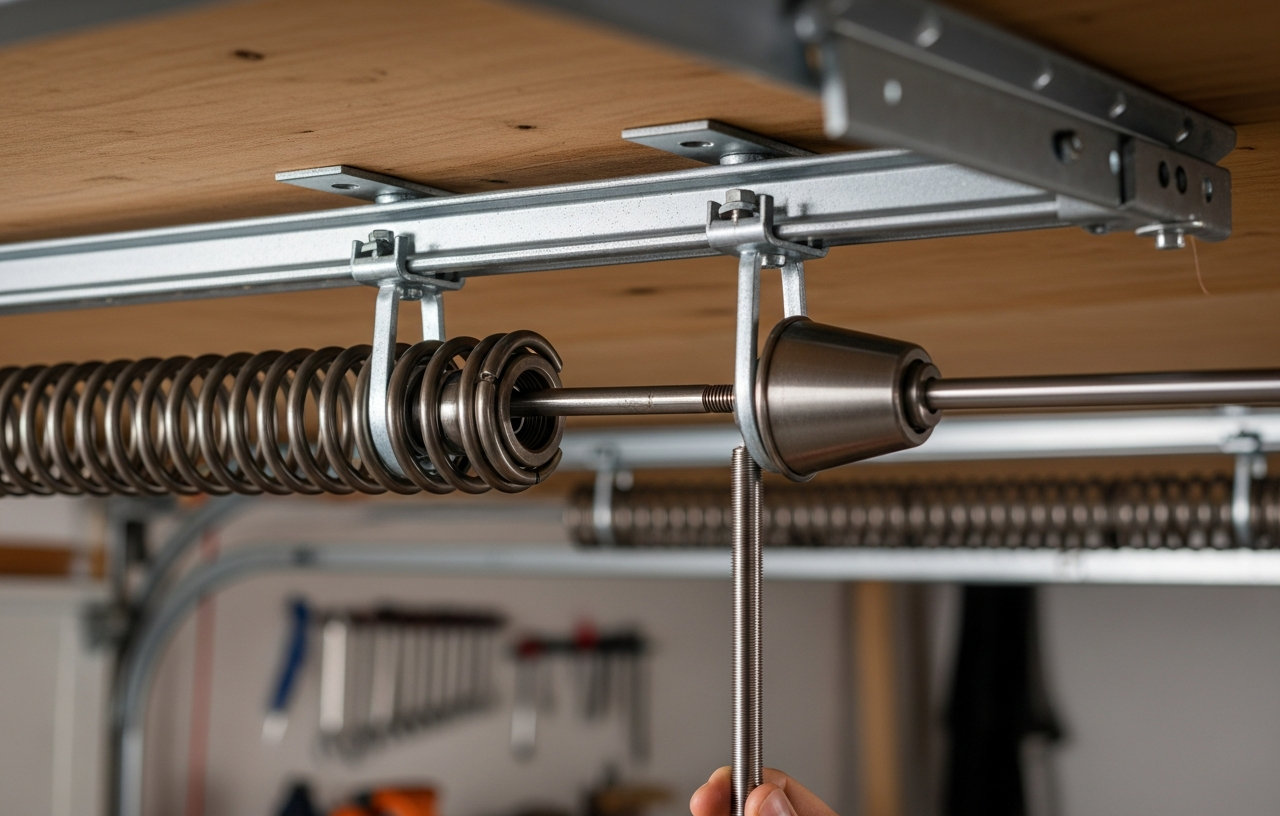
Torsion springs are mounted horizontally above the garage door opening. They are typically found on a metal shaft directly above the door. When the door closes, these springs twist and store mechanical energy. When the door opens, they unwind, releasing that energy to assist the opener. Most torsion spring systems use one or two springs, but some larger doors may have more. Adjusting torsion springs involves winding or unwinding them, a process that stores or releases significant force.
Extension Springs
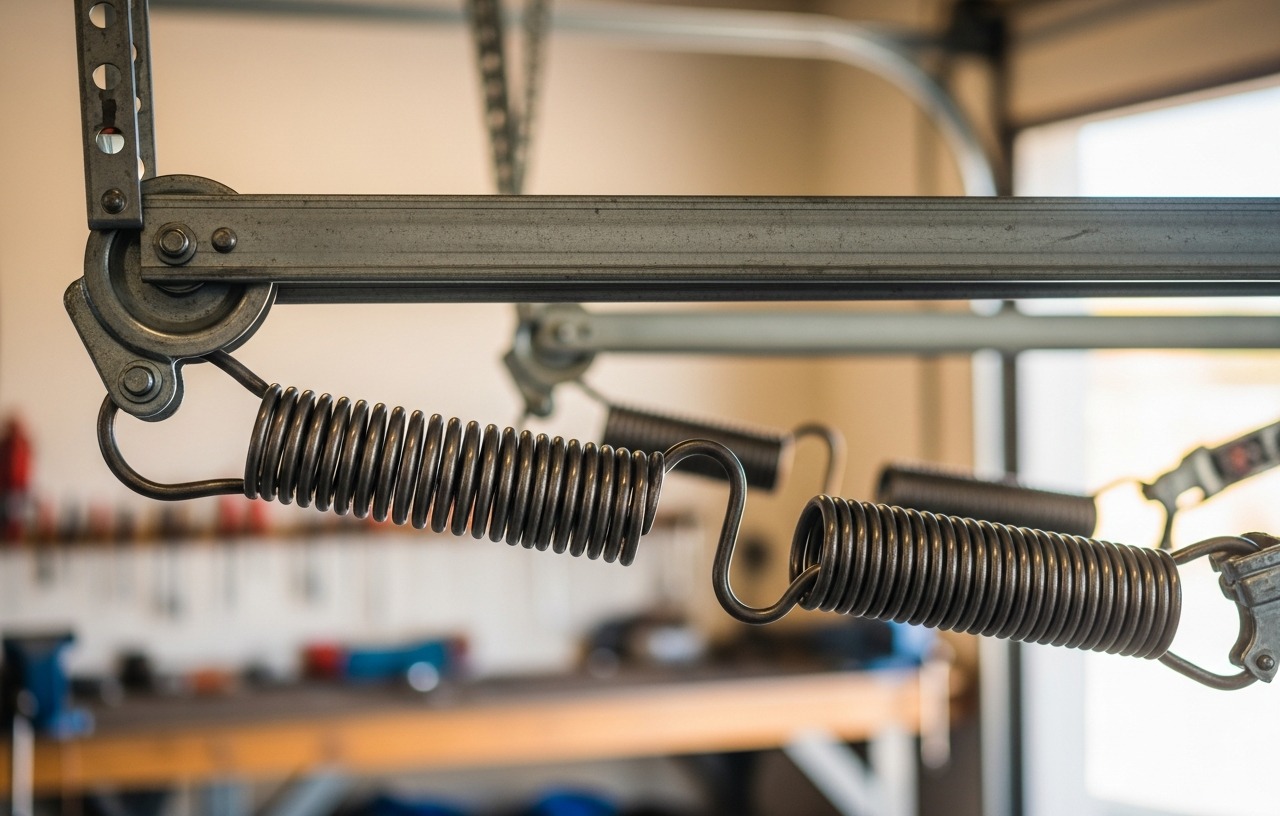
Extension springs run parallel to the horizontal tracks on either side of the garage door. They stretch and contract as the door moves. These springs are usually paired, one on each side of the door. They often include safety cables running through their center, which prevent the spring from flying across the garage if it breaks. Learning what are garage door extension springs will help you understand their function and lifespan.
Safety First: Essential Precautions
Garage door springs are under extreme tension. Improper handling can cause serious injury. Always follow these safety guidelines:
- Disconnect Power: Always unplug your garage door opener before starting any work on the springs. This prevents accidental activation of the door.
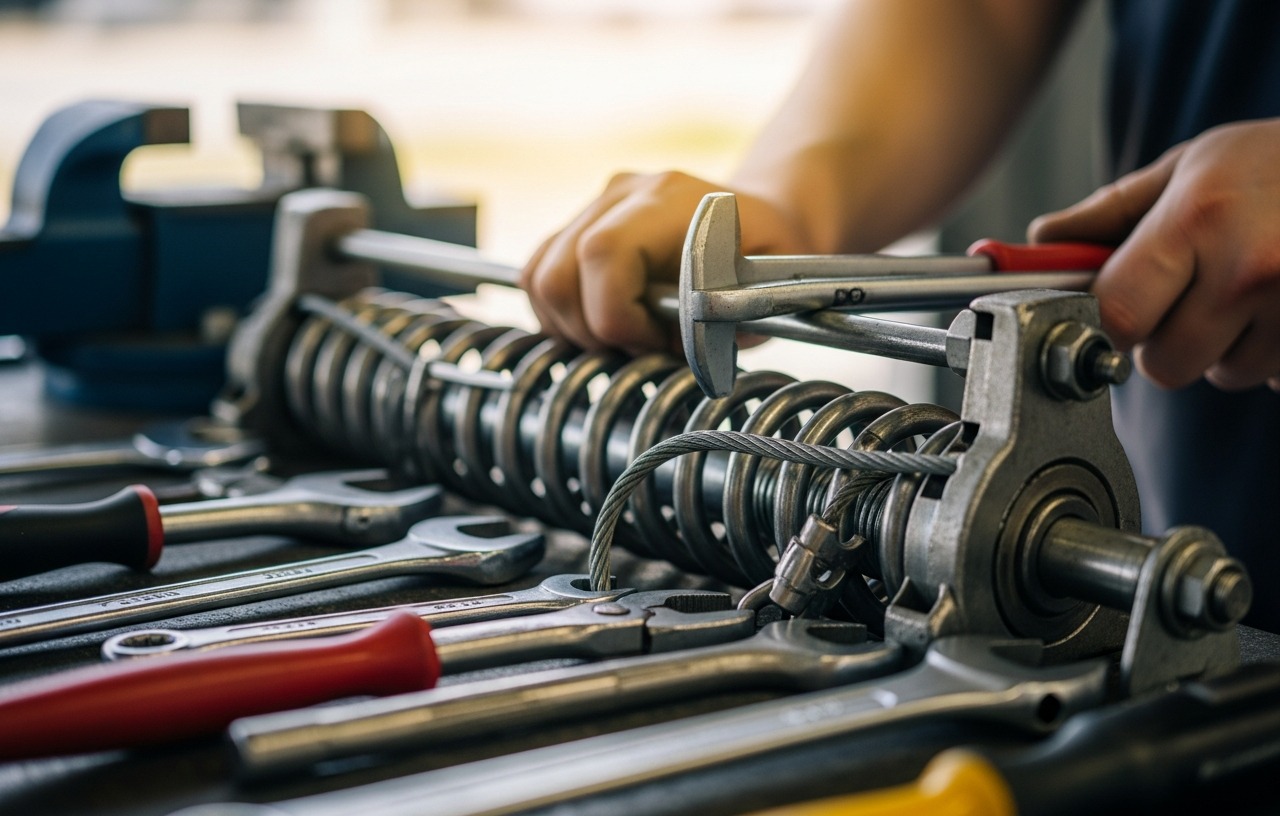
- Use Proper Tools: Never use screwdrivers, wrenches, or pry bars to adjust springs. Only use winding bars specifically designed for torsion springs. For extension springs, use C-clamps or vice grips to secure the door.
- Wear Safety Gear: Protect your eyes with safety glasses and wear work gloves.
- Clear the Area: Make sure no one is standing near the door or in the path of potential flying debris if a spring breaks.
- Work Methodically: Take your time. Rushing increases the risk of mistakes and accidents.
Tools and Materials You Will Need
- Two winding bars (for torsion springs)
- C-clamps or vice grips (for extension springs)
- Measuring tape
- Stepladder
- Safety glasses
- Work gloves
- Marker or chalk
- Wrench set (for extension spring anchor bolts)
How to Balance Your Garage Door: step by step
This process addresses how to balance a garage door with two springs or a single spring setup. The steps vary slightly depending on your spring type.
Step 1: Test Your Garage Door Balance
To determine if your garage door springs need balancing, disconnect the garage door opener. Pull the red emergency release cord, which usually has a red handle. This disengages the door from the opener trolley. Manually lift the door about halfway (around 3-4 feet high) and let go.
- Balanced Door: A properly balanced door should stay in place without assistance.
- Unbalanced Door (Heavy): If the door falls rapidly, it indicates the springs lack sufficient tension.
- Unbalanced Door (Light): If the door floats upwards quickly, the springs have too much tension.
Repeat this test a few times to confirm your observation. This initial test helps you understand how do you balance a garage door effectively.
Step 2: Secure the Garage Door
For your safety, always secure the door before working on the springs. Close the garage door completely. Use C-clamps or vice grips to clamp the door to the track just above the bottom rollers. This prevents the door from unexpectedly opening while you work.
Step 3: How to Balance a Garage Door with Torsion Springs
This is the most dangerous part of garage door repair. Proceed with extreme caution.
- Locate the Winding Cone: On the end of each torsion spring, you will see a winding cone with four holes and two set screws. These are where you insert the winding bars.
- Mark the Springs: Use chalk or a marker to draw a straight line along the length of each spring. This line will help you count the number of turns you make.
- Insert Winding Bars: Insert one winding bar into the bottom hole of the winding cone. Hold it firmly.
- Loosen Set Screws: While holding the winding bar, use a wrench to loosen the two set screws on the winding cone. Only loosen them enough to allow the cone to turn freely on the shaft.
- Adjust Tension (Adding Turns): If your door is heavy (falls when released), you need to add tension. Push the winding bar upwards, turning the spring. Insert the second winding bar into the next available hole before removing the first bar. This maintains control. Each full rotation (360 degrees) adds significant tension. Standard garage doors typically require about 7 to 7.5 full turns of tension. Add quarter-turns at a time, checking balance frequently.
- Adjust Tension (Removing Turns): If your door is light (floats up), you need to remove tension. This is even more dangerous. Insert one winding bar into a hole. Hold it tightly. Loosen the set screws. Slowly and carefully unwind the spring in quarter-turn increments, using the second bar to control the release.
- Retighten Set Screws: Once you have made your adjustment, hold the winding bar firmly in place. Tighten the two set screws on the winding cone completely. Then remove the winding bars.
- Repeat for Second Spring (if applicable): If you have two torsion springs, repeat the process for the second spring, making the same number of turns. This helps to balance a garage door with two springs evenly.
- Test Balance: Remove the clamps, reconnect the opener, and test the door's balance again. Make small adjustments as needed.
Step 4: How to Balance a Garage Door with Extension Springs
Balancing a garage door with extension springs is generally safer than with torsion springs, but still requires caution.
- Ensure Safety Cables are Present: Make sure safety cables run through the center of your extension springs. If not, install them before proceeding. They are vital for safety.
- Identify Anchor Points: Extension springs attach to the track hanger at one end and to a pulley system at the other. The tension is adjusted by moving the S-hook that connects the spring to the anchor point on the track hanger.
- Secure the Door: Close the garage door completely and clamp it to the track as described in Step 2.
- Adjust Tension:
- Door is Heavy (needs more tension): Move the S-hook further back on the track hanger. Most track hangers have multiple holes or slots. Moving the S-hook to a hole further away from the door adds more stretch, increasing tension.
- Door is Light (needs less tension): Move the S-hook closer to the door on the track hanger. This reduces the spring's stretch, decreasing tension.
- Adjust Both Springs: Always adjust both extension springs evenly. If you move one spring back by one hole, move the other spring back by one hole as well. This is how to balance a garage door with side springs effectively.
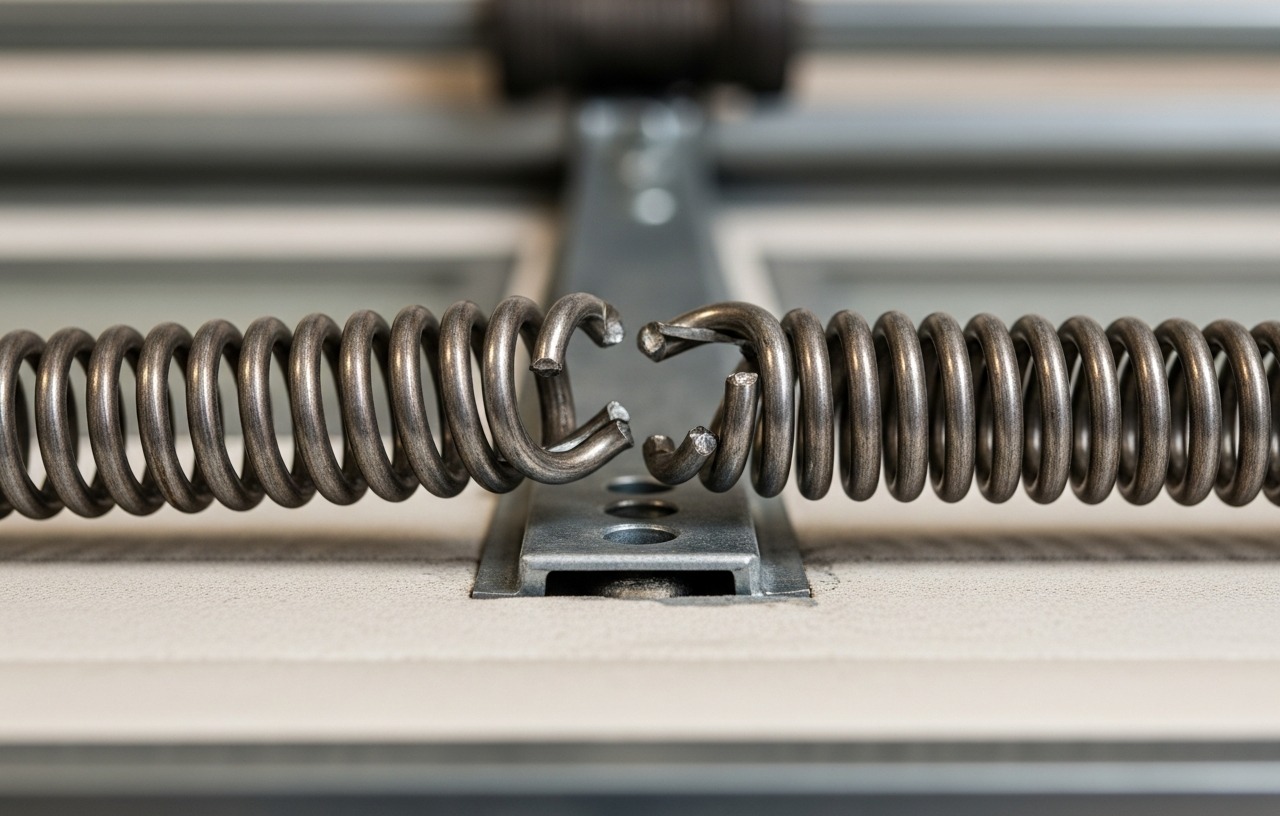
- Check for Wear: While adjusting, inspect your extension springs for rust, stretching, or damage. If they appear worn, consider replacing them. Quality replacement springs are available, such as a Pair of 110 lbs Heavy Duty Garage Door Extension Springs suitable for doors up to 90 pounds, or a Pair of 160 lbs Heavy Duty Garage Door Extension Springs for heavier doors. For lighter fiberglass doors, a 90-lbs. Garage Door Extension Spring, 25'' Long, Double Loop Ends pair might be appropriate. It is always best to replace both springs at the same time for even tension and balance, as mixing new and old springs can make balancing difficult.
- Test Balance: Remove the clamps, reconnect the opener, and perform the balance test from Step 1. Make small adjustments until the door stays put when released halfway.
When to Call a Professional
While balancing garage door springs is a common DIY task, certain situations warrant professional help:
- Broken Spring: Never attempt to balance or operate a door with a broken spring. This requires replacement. can range from $200-$400 for a single spring, including labor.
- Uncertainty: If you are uncomfortable or unsure at any point, stop and call a professional. The risk of injury is not worth it.
- Persistent Imbalance: If you cannot achieve proper balance after several attempts, there might be a larger underlying issue with your door system.
- Damaged Components: If you notice bent tracks, damaged rollers, or a malfunctioning opener, a professional can diagnose the root cause.
Professional garage door technicians typically charge $80-$150 for a service call, plus the cost of labor and parts for repairs. Balancing a spring without replacing parts might cost $100-$250, depending on your location and the complexity.
Maintaining Your Garage Door Balance
Once you know how to balance your garage door, regular maintenance helps keep it operating smoothly. Lubricate moving parts, inspect springs and cables annually, and re-test the balance every few months. This proactive approach helps avoid sudden malfunctions and extends the life of your entire garage door system.
90-lbs. Garage Door Extension Spring, 25'' Long, Double Loop Ends, 1 Pair, Electrophoresis Black Coated
- Door Compatibility: Suitable for 1-car light fiberglass 7 ft high door (8' x 7', 9' x 7')
- Spring Specifications: 1 pair garage door spring rated for 90 lbs; spring length: 25 inches, fully.
- Package Contents: Each package includes one pair of Garage Door Extension Springs, one pair of Non-Slip.
- Premium Construction: Crafted from professional ASTM-A228 spring steel coils, heat-treated for exceptional.
Pair of 160 lbs Heavy Duty Garage Door Extension Springs Stretch Spring,High Precision Electrophoresis Black Coated for Corrosion
- 160 POUND WEIGHT CAPACITY :spring for 160 pound garage door using extension spring system,use a scale to.
- HEAVY DUTY:these springs are made of high quality heat treated spring steel,tested to be durable and.
- REPLACE BOTH SPRINGS:Having a mix of a new and an old spring on the same door can be very hard to balance.
- ANTI-RUST:high quality material with coat for corrosion resistance ,these springs are easy to clean and.
Pair of 110 lbs Heavy Duty Garage Door Extension Springs Stretch Spring,High Precision Electrophoresis Black Coated for Corrosion
- 110 POUND WEIGHT CAPACITY :spring for 90 pound garage door using extension spring system,use a scale to.
- HEAVY DUTY:these springs are made of high quality heat treated spring steel,tested to be durable and.
- REPLACE BOTH SPRINGS:Having a mix of a new and an old spring on the same door can be very hard to balance.
- ANTI-RUST:high quality material with coat for corrosion resistance ,these springs are easy to clean and.