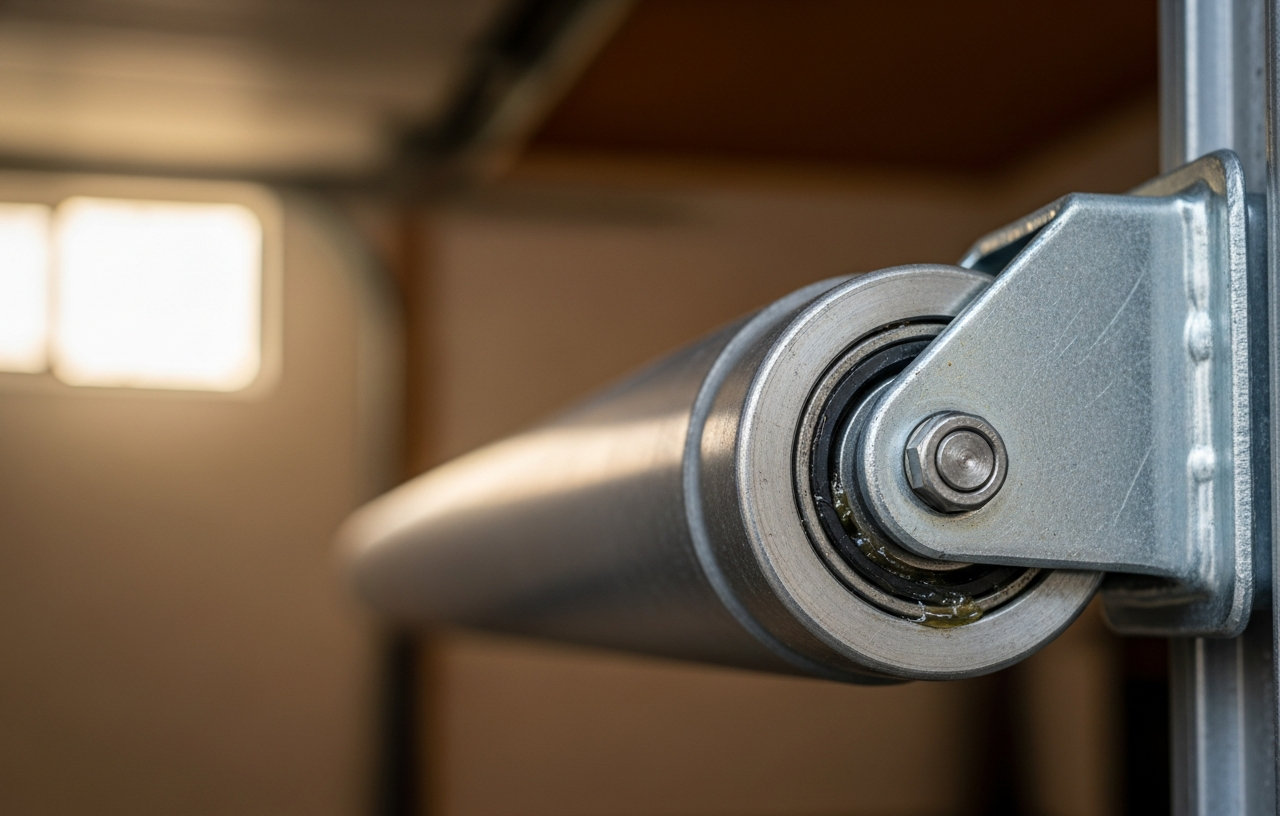
A garage door roller is a wheel, typically made of steel or nylon, attached to a stem that guides the garage door panels along the vertical and horizontal tracks. These rollers are essential for the smooth, quiet operation of any overhead garage door system. Without properly functioning rollers, a garage door can become noisy, jam, or even derail, posing a safety risk. A typical residential garage door uses 10 to 12 rollers, depending on its height and panel count. Each roller plays a direct role in how easily the door opens and closes, whether manually or with an opener.
Understanding Garage Door Roller Types
Garage door rollers vary significantly in material, bearing count, stem length, and wheel diameter. Knowing these differences helps in selecting the correct replacement parts or upgrading your system for improved performance.
Roller Material: Steel vs. Nylon
The material of the roller wheel directly impacts its durability, noise level, and cost.
- Steel Rollers: These are often factory-installed on new garage doors. They are robust and can withstand significant force. However, steel rollers are known for being noisier than nylon counterparts, especially as they age or if not properly lubricated. Standard steel rollers typically have a lifespan of about 10,000 cycles, equivalent to 3-7 years of average use. Their bearings are usually non-sealed, making them susceptible to dust and debris accumulation.
- Nylon Rollers: Nylon rollers offer a quieter operation and generally have a longer lifespan. The nylon outer shell reduces friction against the track. These rollers are available with either unsealed or sealed bearings. high quality nylon rollers with sealed, 11-ball or 13-ball bearings can last for 20,000 to 100,000 cycles, which translates to 10-20 years or more for a residential door. The sealed bearings protect against dirt, extending the roller's life and maintaining smooth movement.
Bearing Count: The Key to Smoothness
The number of ball bearings inside the roller affects its efficiency and longevity. More bearings generally result in smoother operation, reduced friction, and a longer lifespan.
- 7-Ball Bearings: These are common in standard, lower-cost steel rollers. They provide basic functionality but may not offer the quietest or smoothest ride.
- 10-Ball Bearings: Often found in mid-grade nylon or steel rollers, offering improved performance over 7-ball versions.
- 11-Ball or 13-Ball Bearings: These are premium options, almost exclusively found in high quality nylon rollers. They are designed for high-cycle doors and maximum durability, providing the quietest and most reliable operation. A door with 13-ball nylon rollers will feel noticeably smoother and quieter than one with 7-ball steel rollers.
Stem Length and Wheel Diameter
The physical dimensions of the roller are important for proper fit and function within your specific garage door system.
- Stem Length: This refers to the metal shaft that connects the roller wheel to the hinge or end bracket. The most common stem length for residential garage doors is 4 inches. Some specialty doors, such as those with low-headroom track systems or certain commercial applications, may use longer 7-inch stems.
- Wheel Diameter: The size of the roller wheel itself. A 2-inch diameter wheel is the most common size for residential garage doors. Some heavier residential doors or many commercial doors use 3-inch diameter wheels. These larger wheels distribute weight more effectively, which can be beneficial for heavier doors or high-traffic applications.
How Garage Door Rollers Function
Each roller is inserted into a hinge or an end bearing plate, which then slides into the garage door tracks. As the garage door opens or closes, the rollers travel along these tracks, guiding the door's movement. The entire system, including the rollers, tracks, and springs, works in unison to balance the door's weight. When a garage door won't open, or if it moves unevenly, worn or damaged rollers are often a factor. You can learn more about general issues at Garage Door Won't Open? 8 Causes and How to Fix Each One.
Signs of Worn or Damaged Rollers
Identifying problems with your garage door rollers early can prevent more significant damage to your door or opener system. Listen and look for these common indicators:
- Excessive Noise: A grinding, squealing, or rattling sound during operation often indicates worn-out bearings or flat spots on the roller wheels. Steel rollers tend to become noisy faster than nylon.
- Jerky or Uneven Movement: If the garage door shudders, catches, or moves unevenly as it opens or closes, one or more rollers might be sticking, bent, or have lost their bearings.
- Visible Damage: Inspect the rollers for cracked or chipped wheels, bent stems, or missing ball bearings. Flat spots on steel rollers are a clear sign of wear.
- Door Getting Stuck: A roller that is completely seized or has fallen out of the track will cause the door to bind or stop moving entirely. If a roller has come off its track, you can find a repair guide at Garage Door Roller Fell Off Track? Fix It Today.
Lifespan and Maintenance for Garage Door Rollers
The lifespan of garage door rollers varies greatly based on their material and how well they are maintained.
- Steel Rollers: Typically last 3-7 years, or around 10,000 cycles.
- Nylon Rollers (unsealed bearings): Can last 7-12 years, or 15,000-25,000 cycles.
- Nylon Rollers (sealed bearings): The longest-lasting option, often performing for 10-20 years, or 25,000-100,000 cycles.
Roller Lubrication
Regular lubrication is the single most effective maintenance step for extending roller life and ensuring quiet operation. Apply a silicone-based or lithium-based garage door lubricant to the roller bearings and the track every 3-6 months. Avoid using WD-40 or general-purpose oils, which can attract dirt and degrade the rollers over time. Specifically, lubricate the bearings where the roller wheel meets the stem. For nylon rollers, focus on the stem where it enters the hinge, as the nylon wheel itself does not require lubrication.
Routine Inspections
Visually inspect your rollers at least twice a year. Look for any of the damage signs mentioned above. Check that all rollers are securely in their hinges and that the tracks are clear of debris. A quick visual check can identify minor issues before they become major problems.
Replacing Garage Door Rollers
Replacing worn rollers is a common DIY task, but it requires caution, especially around the bottom rollers which are under significant spring tension. Always disconnect the garage door opener and, if possible, secure the door in the open position before working on rollers. You can also refer to our guide on Broken Garage Door Spring: What to Do Right Now (And What Not To) for general safety tips when working near springs.
DIY Roller Replacement
A set of 10-12 high quality nylon rollers with sealed bearings will cost approximately $100-$200 for parts. The process involves carefully removing each old roller and inserting a new one. Bottom rollers, however, are attached to the bottom bracket, which is under extreme tension from the garage door springs. Replacing these should only be attempted by experienced DIYers who understand spring tension and safety protocols. Otherwise, it is best left to a professional.
Professional Roller Replacement Costs
This includes the cost of rollers and labor. A service call alone usually ranges from $80-$150. If other repairs are needed, such as track realignment or spring work, the total cost will increase. While professional service adds to the expense, it ensures the job is done safely and correctly, particularly with components under high tension.
Common Roller Problems and Troubleshooting
Beyond simple wear and tear, rollers can encounter specific issues that affect door operation.
Roller Off Track
This occurs when a roller pops out of its vertical or horizontal track. It can be caused by bent tracks, impact damage to the door, or worn rollers that no longer fit snugly. A garage door with an off-track roller will often bind, move crookedly, or stop entirely. Fixing an off-track roller often involves gently prying the track open slightly to reinsert the roller, then carefully closing the track. This should only be attempted when the door is disengaged from the opener and secured.
Broken Roller
A roller wheel can crack, chip, or lose its bearings entirely. This usually happens due to age, lack of lubrication, or excessive force on the door. A broken roller will cause a loud noise, uneven movement, and potentially damage to the track if the metal stem grinds against it. The solution is to replace the broken roller immediately to prevent further damage.
Bent or Damaged Stem
The metal stem of the roller can bend if the door is hit or if a roller jams. A bent stem prevents the roller from rotating freely and can cause it to bind within the track. If the stem is bent, the entire roller unit must be replaced. Attempting to straighten a bent stem can weaken the metal and lead to premature failure.
Misaligned Tracks
While not a roller problem itself, misaligned tracks can cause rollers to wear unevenly or pop out. Tracks should be parallel and evenly spaced from the door panels. Use a level to check track alignment. If tracks are significantly out of alignment, a professional adjustment is recommended. Proper track alignment is critical for the smooth function of the entire garage door system, including the rollers.
Conclusion
Garage door rollers are small but vital components that dictate the overall performance and safety of your garage door. Regular inspection and lubrication can significantly extend their lifespan and prevent costly repairs. Upgrading from standard steel rollers to high quality nylon rollers with sealed bearings is a worthwhile investment for homeowners seeking quieter operation and greater durability.