
Garage Door Winding Bars, 2-Pack 17.3-Inch Torsion Spring Tool with Non-Slip Handles, Solid Steel Winding Rods for Adjustment and
- Each garage door spring winding tool measures 17.3 inches long and 1/2 inch in diameter. Check that your.
- A visible red mark near each tip helps you confirm that the garage door winding bars are fully inserted.
- Textured non-slip handles provide a secure, comfortable hold during high-torque movements. The 17.3-inch.
- Each torsion spring winding rod is made from solid steel with a galvanized finish for strength and.

2 Pcs Winding Bars for Garage Door Torsion Spring with Non-Slip Rubber Handle, Zinc Steel Winding Rods Garage Door Hardware for
- The pair of torsion spring winding rods are specifically designed for increasing (winding) and decreasing.
- Garage door torsion spring winding rod are 7/16 inch in outside diameter and 16-11/16 inch long. They are.
- The winding rod is made of zinc steel, the surface is galvanized, not easy to bend, rust resistant and.
- The torsion spring winding rod head is threaded to increase friction and prevent sliding, saving more energy.
A garage door that floats open when released halfway or closes with excessive speed often points to one underlying issue: the torsion springs have too much tension. This condition can strain your garage door opener, reduce the lifespan of components, and create a safety hazard. Identifying the problem early allows for a timely and often simple fix.
Understanding Garage Door Spring Tension
Garage door springs are counter-balance systems. They offset the door's weight, making it feel light enough for the opener to lift or for you to lift manually. Proper tension means the springs hold the door in place at any point along its travel. They are wound or stretched to specific settings based on the door's size and weight.
When spring tension is too high, the springs are working harder than they need to. They effectively make the door feel lighter than it truly is, leading to the symptoms described.
Key Symptoms of High Garage Door Spring Tension
Observing your garage door's behavior closely can reveal if the spring tension is too high. Look for these specific indicators:
1. Door Opens Too Quickly or Jerkily
If your garage door shoots open with noticeable speed, or if the opener seems to struggle more with closing the door than opening it, high spring tension might be the cause. The springs are exerting too much upward force, accelerating the door's ascent.
2. Door Floats Upward When Released Mid-Travel
This is the most definitive test. With the garage door closed, pull the emergency release cord to disconnect the opener. Carefully lift the door manually about halfway up. If the door drifts upward on its own, the springs have too much tension. A properly balanced door should stay put when released at any point.
3. Opener Struggles to Close the Door
The garage door opener is designed primarily to lift the door, with springs handling most of the heavy work. When springs have too much tension, the opener must exert extra force to pull the door down against the upward pull of the springs. This can cause the opener to strain, make unusual noises, or even reverse unexpectedly if its safety sensors detect excessive resistance. You might hear the opener motor working harder than usual.
4. Cables Appear Slack When Door is Closed
For torsion spring systems, the cables connect the bottom corners of the door to the spring assembly. If the springs are overtightened, they might pull up on the torsion tube and drums excessively. This can create slack in the cables when the door is fully closed, as the springs are trying to lift the door even when it's resting on the ground. Slack cables are a serious safety concern and can cause the door to come off its tracks.
Why Garage Door Spring Tension Gets Too High
Several factors can lead to excessive spring tension:
- Incorrect Initial Installation: New doors or spring replacements sometimes have springs wound with too many turns by mistake.
- Door Weight Changes: Adding insulation to a garage door, installing heavier decorative panels, or even accumulated dirt and debris can increase the door's weight. If the springs are not re-adjusted, they can become overtightened relative to the new, heavier door.
- Wear on Other Components: Worn rollers or misaligned tracks can cause the door to bind slightly, making the springs feel like they have too much tension because the door isn't moving freely.
Safety First: Precautions Before Any Adjustment
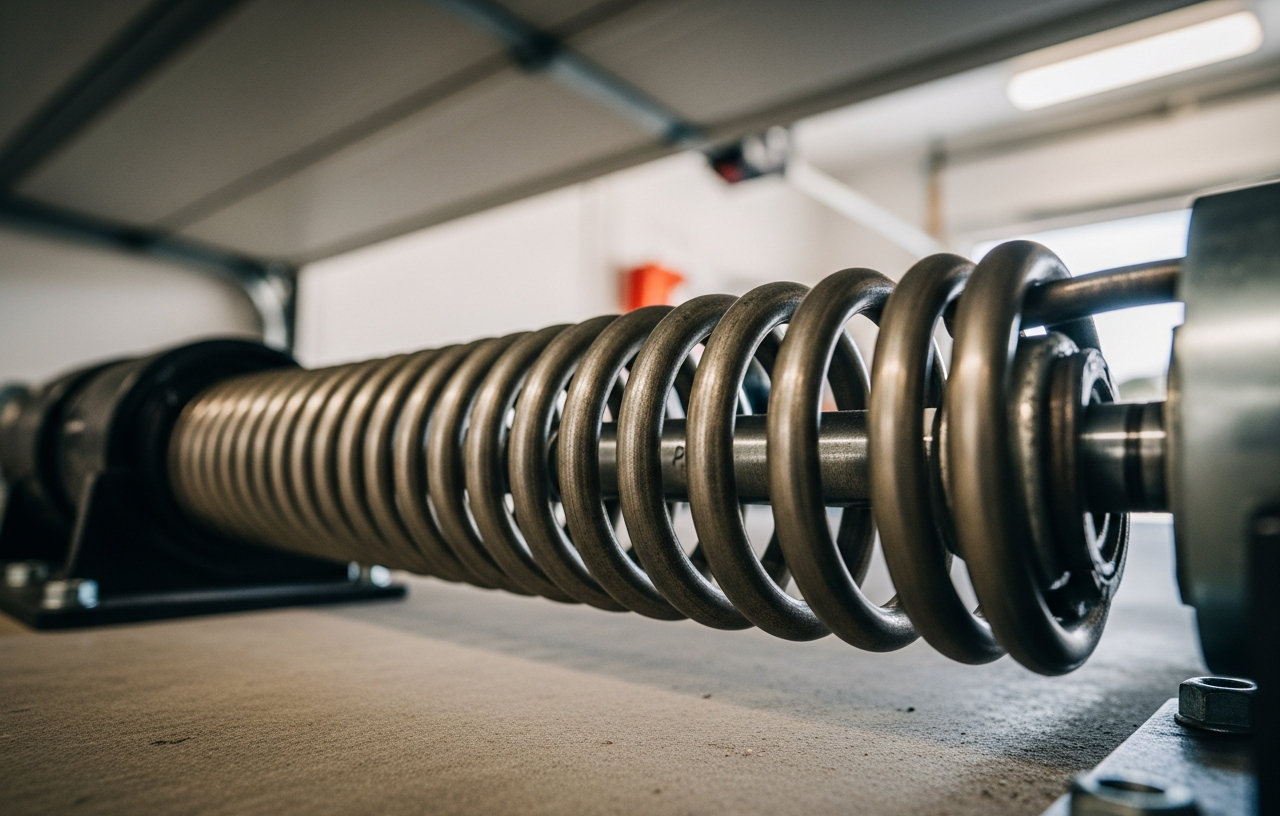
Working with garage door springs is dangerous. Torsion springs, in particular, store immense energy. Improper handling can cause serious injury. Always wear safety glasses and heavy duty work gloves. Never attempt to adjust springs without the correct tools and knowledge.
If you are uncomfortable at any point, or unsure about the process, contact a professional garage door technician.
How to Test for and Confirm High Spring Tension
The most reliable way to confirm high spring tension involves disconnecting the opener. This allows you to evaluate the door's balance independently of the opener's power.
- Close the Garage Door: Make sure the door is fully closed.
- Disconnect the Opener: Pull the red emergency release cord that hangs from the opener carriage.
- Manually Lift the Door: Carefully lift the door by hand about halfway up.
- Release and Observe: Slowly let go of the door. If it floats upward, the springs have too much tension. If it stays put, the tension is likely correct. If it falls, the tension is too low or the springs are broken. For issues with a broken spring, refer to our guide on Broken Garage Door Spring: What to Do Right Now.
Adjusting Garage Door Spring Tension (Torsion Springs)
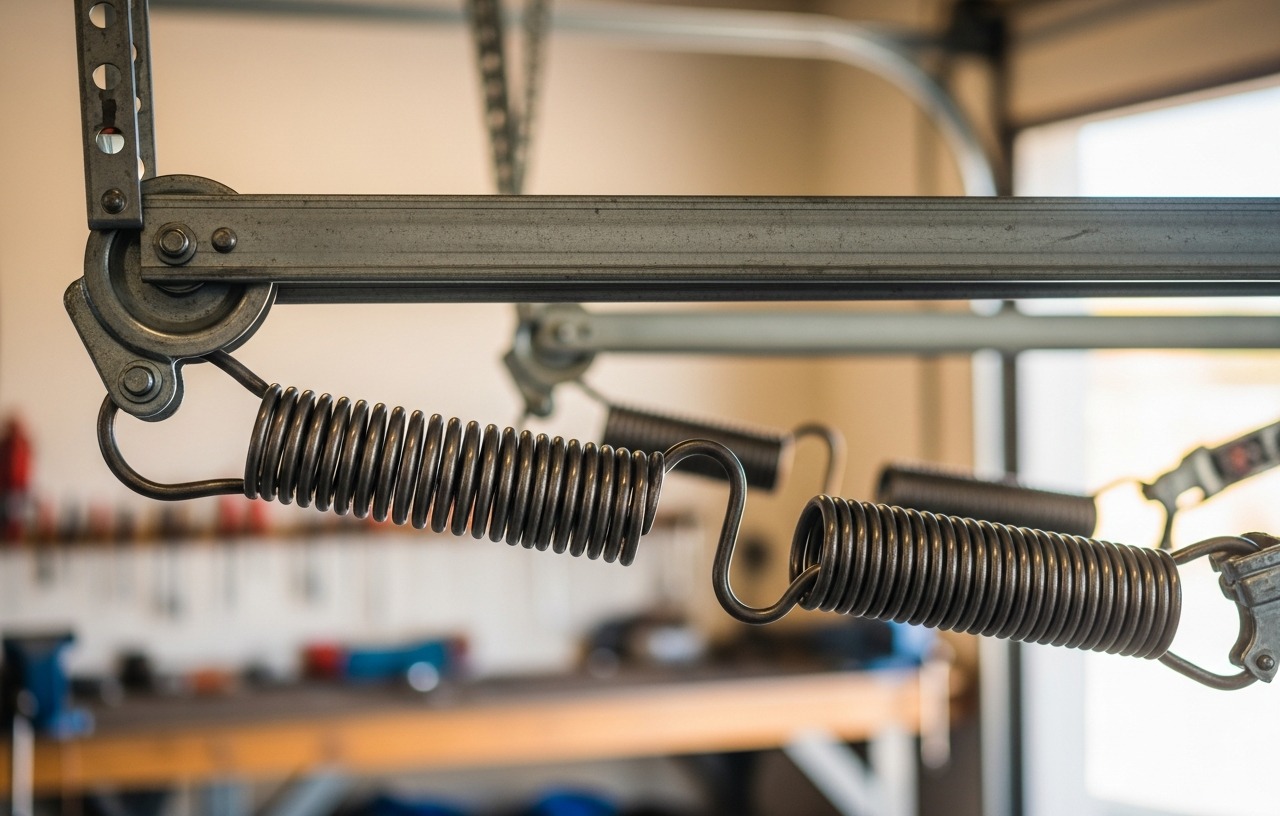
Adjusting torsion springs requires specialized tools and careful attention. This is a DIY task only for those comfortable with mechanical work and safety procedures. If your garage door uses extension springs (located along the side tracks), the adjustment method is different and generally involves moving the spring attachment points or adding/removing springs.
Tools You Will Need
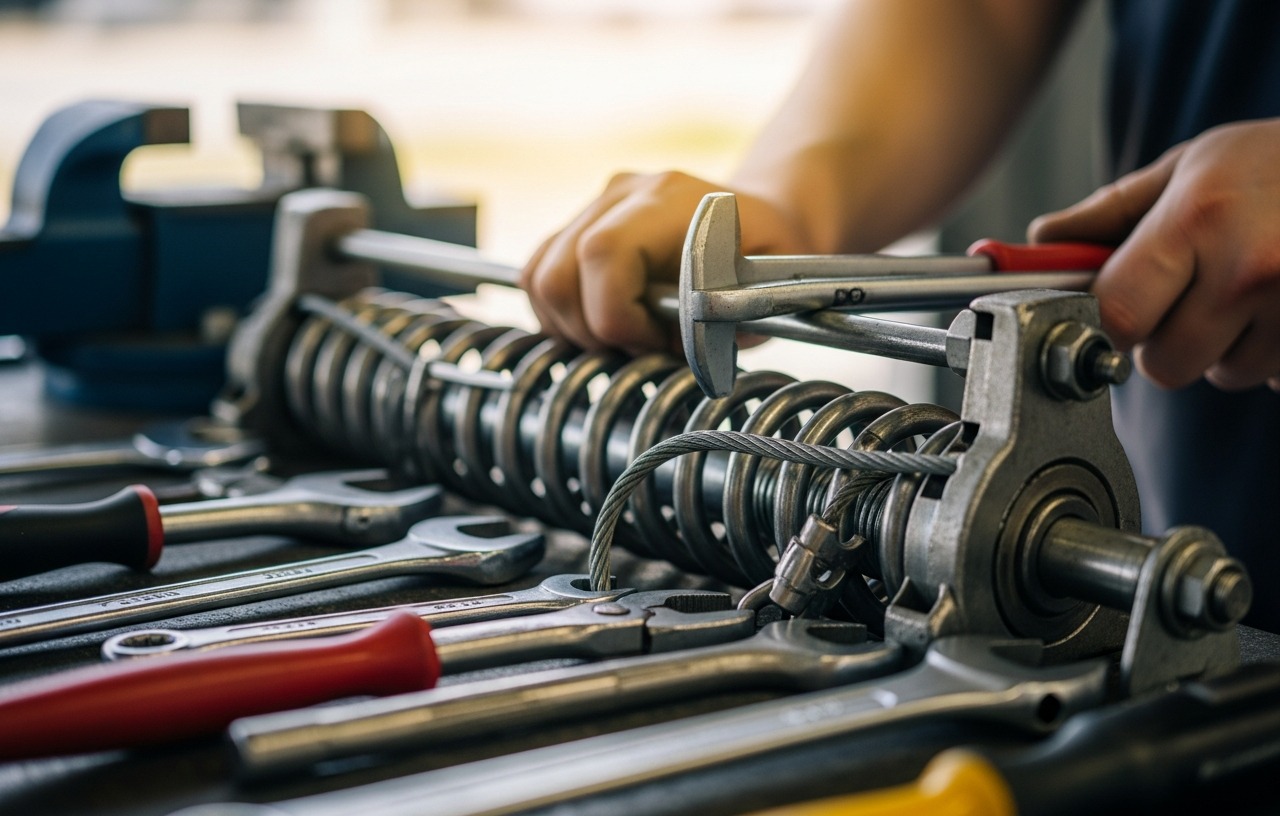
- Winding Bars: These are essential for safely adjusting torsion springs. Standard screwdrivers or other improvised tools can slip and cause severe injury. For safe and effective adjustment, you will need specialized tools called winding bars. The [TOP PICK] Garage Door Winding Bars, 2-Pack 17.3-Inch Torsion Spring Tool with Non-Slip Handles, Solid Steel Winding Rods for Adjustment and, are a top choice. Each garage door spring winding tool measures 17.3 inches long and 1/2 inch in diameter. Make sure these dimensions match your spring's winding cone holes. A visible red mark near each tip helps you confirm that the garage door winding bars are fully inserted. Textured non-slip handles provide a secure, comfortable hold during high-torque movements.
- Sturdy Ladder: Make sure it is tall enough to reach the torsion assembly safely.
- Gloves and Safety Glasses: Always protect your hands and eyes.
Steps for Torsion Spring Adjustment
- Secure the Door: Make sure the garage door is fully closed. Clamp vice grips or C-clamps to the track just above the bottom rollers to prevent the door from accidentally opening.
- Locate the Winding Cones: On the torsion spring assembly, you will see a winding cone at the end of each spring. This cone has four holes for the winding bars and two set screws.
- Loosen Set Screws: Use a wrench to loosen the two set screws on the winding cone of the spring you plan to adjust. Loosen them by about one full turn each. Do not remove them completely.
- Insert Winding Bar: Insert one winding bar firmly into the bottom hole of the winding cone. Make sure it is fully inserted.
- Unwind the Spring: Hold the first winding bar firmly. Insert the second winding bar into the next available hole. Carefully pull the first bar down and out, then use the second bar to hold the spring in place while you move the first bar to the next hole. Each full rotation of the winding cone reduces the spring tension. For high tension, you will typically need to unwind the spring by a quarter turn to a full turn at a time. A common starting point for minor over-tension is to remove one full turn.
- Re-tighten Set Screws: Once you have unwound the spring by the desired amount, hold the winding cone firmly with one bar. Re-tighten the set screws securely. Remove the winding bars.
- Test the Door: Remove the clamps from the tracks. Reconnect the garage door opener by pulling the emergency release cord again, then manually pushing the door up slightly until the carriage re-engages. Test the door's balance manually as described in the testing section. Adjust further in small increments if needed.
Remember, always adjust both springs equally if you have a two-spring system. If you need to replace your torsion springs entirely, our guide on DIY Torsion Spring Replacement offers detailed steps.
When to Call a Professional
While adjusting spring tension can be a DIY project, there are times when calling a professional is the best course of action:
- Lack of Confidence: If you are uncomfortable with the process or the risks involved, a professional technician has the experience and tools to do the job safely.
- Extension Springs: Adjusting extension springs involves a different, sometimes more complex, procedure. Professionals are well-versed in both types.
- Damaged Components: If you notice damaged springs, cables, or other hardware, a professional can assess the full extent of the issue and recommend proper repairs.
- Persistent Issues: If adjusting the tension does not resolve the problem, there might be other underlying issues such as worn rollers, damaged tracks, or an opener malfunction.
This usually includes labor and minor adjustments. If a spring replacement is needed, the Garage Door Spring Replacement Cost
Other Potential Causes With Similar Symptoms
Sometimes, what appears to be high spring tension might be another problem masquerading as one. Consider these possibilities:
Misaligned Tracks
If the vertical or horizontal tracks are bent or misaligned, the garage door can bind as it moves. This friction can make the door feel lighter to the springs, even if their tension is correct. The opener might struggle to close the door against this binding force. Garage Door Roller Fell Off Track? Fix It Today provides guidance for track issues.
Worn Rollers
Old, worn, or damaged rollers can impede the smooth movement of the garage door. If rollers are sticking or grinding, the door will not glide freely along the tracks. This resistance can make the springs seem overtightened because the door isn't moving as easily as it should. Replacing worn rollers can resolve this.
Opener Force Settings
Modern garage door openers have adjustable force settings. These control how much power the opener uses to open and close the door. If the down-force setting is too low, or the up-force setting is too high, the opener might struggle to close the door, even if the springs are balanced. Consult your opener's manual to check and adjust these settings. If your opener itself is not working correctly, our guide on Garage Door Opener Not Working: 9 Fixes Before You Call Anyone might help.
Conclusion
Diagnosing garage door spring tension that is too high starts with observing specific symptoms and conducting a simple balance test. While DIY adjustment is possible for torsion springs with the right tools and safety measures, professional help is always available and recommended for those unsure of the process or dealing with complex issues. Addressing this problem quickly protects your opener, extends the life of your garage door system, and maintains a safe operating environment.
Garage Door Winding Bars, 2-Pack 17.3-Inch Torsion Spring Tool with Non-Slip Handles, Solid Steel Winding Rods for Adjustment and
- Each garage door spring winding tool measures 17.3 inches long and 1/2 inch in diameter. Check that your.
- A visible red mark near each tip helps you confirm that the garage door winding bars are fully inserted.
- Textured non-slip handles provide a secure, comfortable hold during high-torque movements. The 17.3-inch.
- Each torsion spring winding rod is made from solid steel with a galvanized finish for strength and.
2 Pcs Winding Bars for Garage Door Torsion Spring with Non-Slip Rubber Handle, Zinc Steel Winding Rods Garage Door Hardware for
- The pair of torsion spring winding rods are specifically designed for increasing (winding) and decreasing.
- Garage door torsion spring winding rod are 7/16 inch in outside diameter and 16-11/16 inch long. They are.
- The winding rod is made of zinc steel, the surface is galvanized, not easy to bend, rust resistant and.
- The torsion spring winding rod head is threaded to increase friction and prevent sliding, saving more energy.