
Heavy Duty Garage Door Side Lock Inside Deadlock for Most Garage Door Iron Galvanizing -2 Pack, Silver
- ★【Good Quality】: This inside deadlock is made of high quality iron galvanizing, provides you with peace of.
- ★【Extra Security Protection】: Use our heavy duty galvanized garage side lock serve as an additional.
- ★【Works Only from Inside】: The deadlock engages in a vertical track and works only from the inside as an.
- ★【Easy to Install】:4 self-tapping screws to fix the side lock Installation is quick and easy, and the.

Prime-Line GD 52119 Diecast Painted Aluminum, Center Mount Deadbolt Lock with Keyed Cylinder (Single Pack)
- Used by a variety of garage door manufacturers
- Heavy duty spring bolt
- Center mount design
- Diecast construction with an aluminum finish
A garage door opening by itself, sometimes multiple times a day, presents a significant security risk and a major annoyance. This unexpected behavior often indicates a problem with the opener's controls, safety mechanisms, or internal electronics. Diagnosing the exact cause helps homeowners restore security and stop the random openings for good.
Numerous issues can cause a garage door to open randomly on its own. These range from simple fixes like a stuck button to more complex electrical or mechanical failures. Remote Control or Wall Console Button is Stuck
One of the most common reasons a garage door opens by itself is a stuck button on a remote control or the wired wall console. Over time, buttons can become sticky, worn, or accumulate debris, causing them to send continuous or intermittent signals to the garage door opener. This can make the garage door opener opening by itself seem like a mystery.
Remote Control Check
Gather all remote controls associated with your garage door opener. This includes remotes in vehicles, spare remotes, and any keypads. Inspect each remote carefully. Look for buttons that feel stuck or are depressed. Even a slight stick can send intermittent signals to the opener. If you find a suspect remote, remove its battery or keep it out of range to see if the problem stops. If the random openings cease, you have identified the culprit. You can try cleaning the remote or replacing it entirely.
Wall Console Inspection
Check the wall-mounted control panel inside your garage. Press each button to feel for any sticking. Sometimes, the internal mechanism of the button can fail, causing it to remain in a 'pressed' state. If the wall console is the issue, disconnecting its wires from the opener's terminal for a short period will confirm it. If the garage door stops opening on its own, replace the wall console.
2. Radio Frequency Interference
Garage door openers operate using radio frequencies. Sometimes, external interference can cause your garage door to open randomly. This is less common but can occur, especially if you live near military bases, airports, or even high-power radio towers. Interference from a neighbor's garage door opener, particularly if their code is similar or identical, can also cause your garage door to open on its own.
If you suspect interference, the first step is to reprogram your garage door opener and all associated remotes. This changes the rolling code or fixed code the opener uses, potentially resolving conflicts. Most modern openers use rolling codes, which change with each use, making interference less likely but not impossible. If the problem persists after reprogramming, consider temporarily unplugging the opener for a day to see if the random openings stop. If they do, interference is a strong possibility.
3. Garage Door Opener Limit Settings Are Off
Your garage door opener has 'limit settings' that tell it how far to open and close. If the 'open' limit is set too high, the door might attempt to open beyond its physical capacity, causing the opener to reverse course and close partially, or to register an error that results in a subsequent, unintended opening. Conversely, if the 'close' limit is set too low, the door might think it's hitting an obstruction and reverse, stopping short of fully closing. Over time, these settings can drift or be accidentally changed.
Consult your garage door opener's manual for specific instructions on how to adjust the open and close limit settings. Typically, there are adjustment screws or buttons on the opener motor unit. Adjust the 'open' limit down slightly so the door stops just before it reaches its fully open position. Then fine-tune the 'close' limit so the door seals tightly against the floor without putting excessive strain on the opener. Proper limit settings prevent the door from overshooting and causing erratic behavior, which can contribute to a garage opening by itself.
4. Safety Sensors Are Misaligned or Obstructed
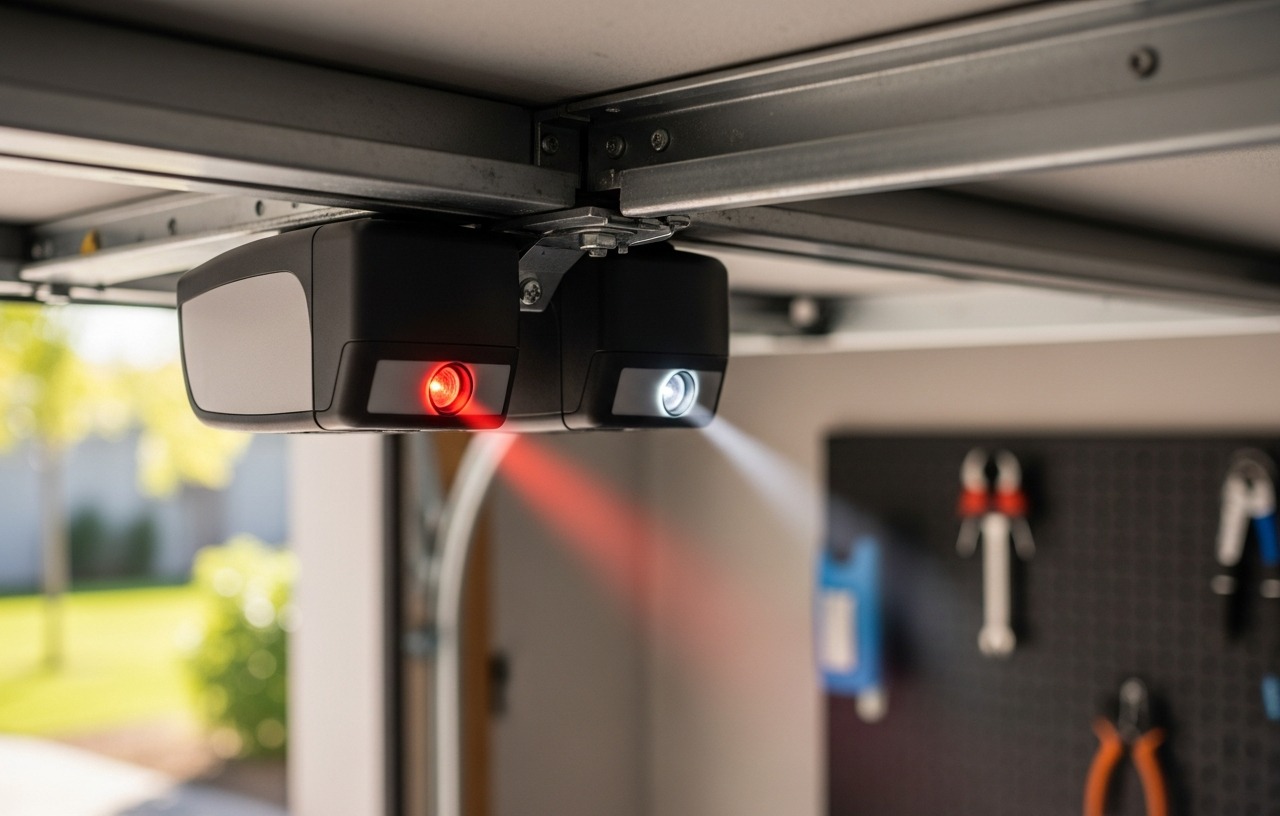
Garage door safety sensors are a critical safety feature. They project an infrared beam across the garage door opening. If this beam is broken while the door is closing, the door will automatically reverse to prevent injury or damage. While typically associated with a door that won't close, misaligned or obstructed sensors can sometimes lead to the garage door opener opening by itself if the opener's logic board misinterprets the sensor's status.
Checking for Obstructions and Alignment
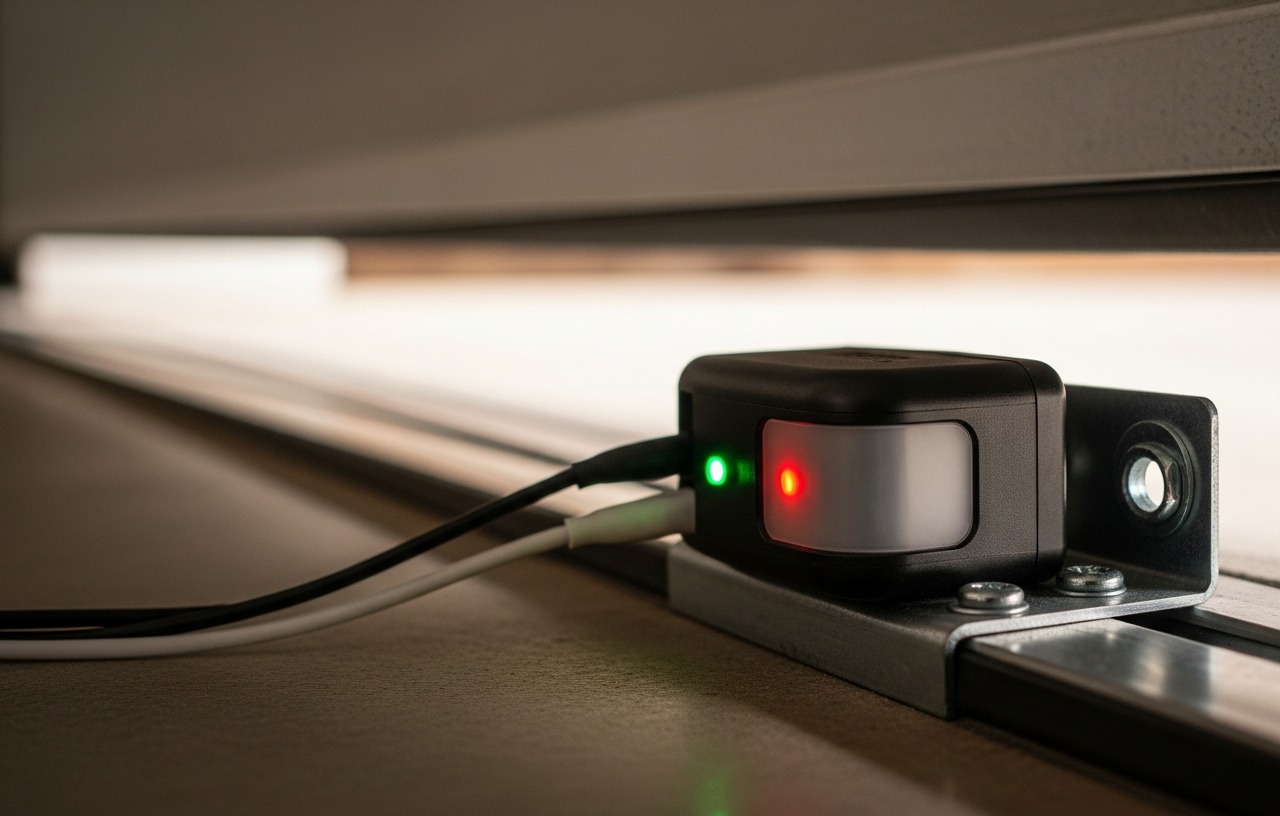
First, check the area around both safety sensors for any obstructions. Even a small leaf, spiderweb, or piece of debris can block the beam. Clean the sensor lenses with a soft cloth. Next, inspect the alignment. The sensors are small boxes mounted on either side of the garage door track, usually 4-6 inches above the floor. They should face each other directly. If one sensor is knocked out of alignment, the beam cannot connect. Most sensors have indicator lights that will turn solid when properly aligned and blink or turn off when misaligned or obstructed. Align garage door sensors in 5 minutes by gently adjusting them until both indicator lights are solid.
5. Logic Board Malfunction
The logic board is the 'brain' of your garage door opener. It processes signals from remotes, wall consoles, and safety sensors, and controls the motor. If the logic board malfunctions, it can send erroneous signals, causing the garage door opens randomly. Symptoms of a failing logic board include erratic behavior, unresponsiveness to commands, or the door opening by itself without any input.
Diagnosing a faulty logic board can be challenging for a non-professional. There are no simple visual checks. If you have ruled out all other causes, a logic board replacement might be necessary. A new logic board can cost anywhere from $150 to $300 for the part alone, depending on the opener model. Replacing it often requires careful disassembly of the opener unit and electrical work. If you are not comfortable with electrical repairs, it is best to call a professional technician. Short in the Wiring
A short circuit in the low-voltage wiring connected to your garage door opener can cause intermittent or continuous signals to be sent to the logic board. This can mimic a stuck button or other electrical issues, resulting in the garage door opening by itself. Wires can become damaged from pests, accidental nicks, or general wear and tear over time.
Carefully inspect all visible low-voltage wiring running from the opener to the wall console, and potentially to the safety sensors. Look for frayed insulation, exposed copper, or crimped wires. Pay close attention to areas where wires bend or pass through metal conduits. If you find damaged wiring, you can attempt to repair it with electrical tape for minor nicks, or by replacing the section of wire. For more extensive damage or if you cannot locate the source, a professional electrician or garage door technician should diagnose and repair the short circuit. This type of electrical repair can cost $100-$250, depending on complexity.
7. Mechanical Issues or Unbalanced Door
While less directly related to the opener's electrical system, mechanical problems with the garage door itself can sometimes trick the opener into misbehaving. A garage door that is improperly balanced or has worn components puts extra strain on the opener. If the door is too heavy due to broken garage door springs, or if its tracks are bent, the opener might struggle to move it. This struggle can sometimes be misinterpreted by the opener's logic as an obstruction, causing it to reverse and open unexpectedly.
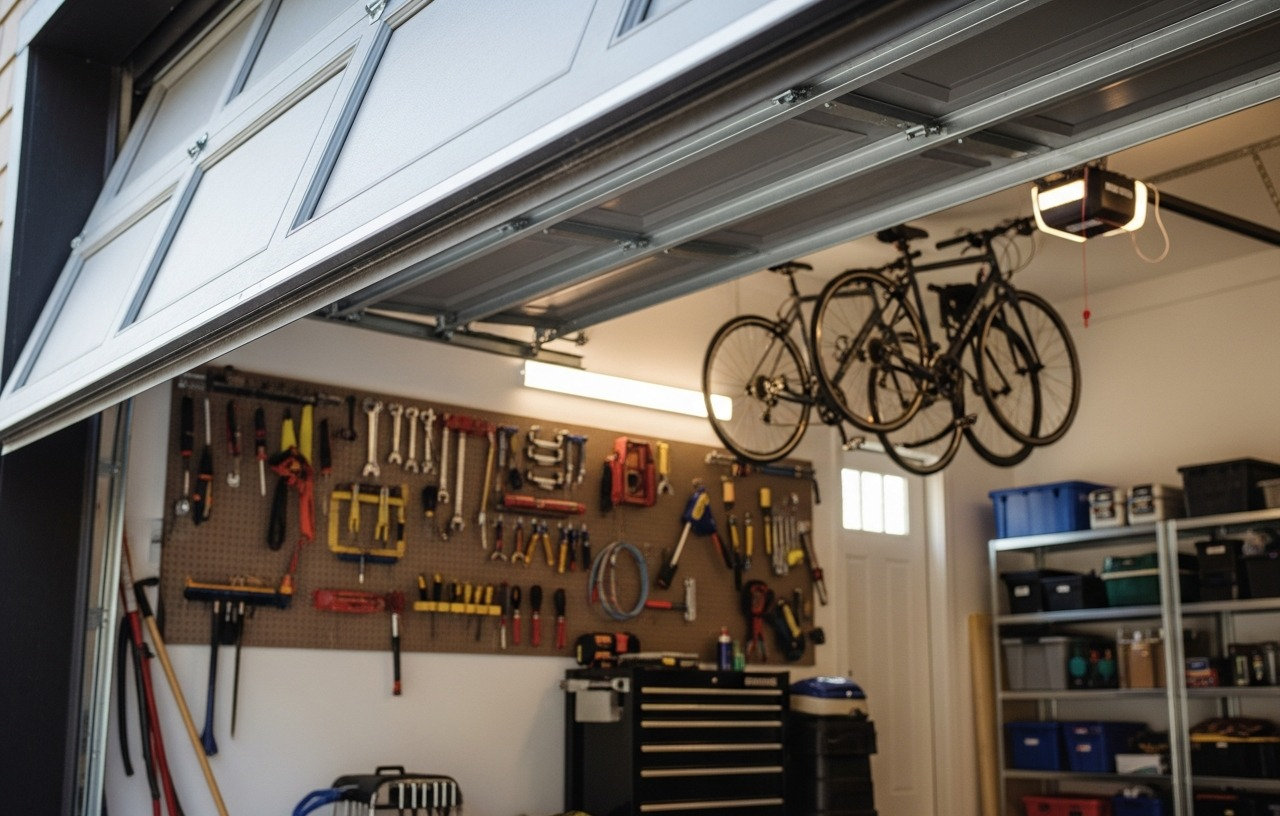
To check the door's balance, disengage the opener by pulling the emergency release cord. Manually lift the door halfway. A properly balanced door should stay in place without assistance. If it immediately springs up or falls down, the springs are likely out of balance or broken. Addressing spring issues or track problems is essential for the opener to function correctly. Lubricate moving parts annually, check sensor alignment periodically, and test your remote controls. Keeping the area around your garage door clean and free of debris also helps.
Even after fixing the issue, adding extra security measures provides additional protection. A manual side lock, installed on the inside of the garage door, prevents it from opening even if the opener activates. The Heavy Duty Garage Door Side Lock Inside Deadlock is a reliable option, offering robust iron galvanizing construction for enhanced security. It works only from the inside, acting as a strong deterrent against unauthorized entry. Another effective choice is the Prime-Line GD 52119 Center Mount Deadbolt Lock, which features a heavy duty spring bolt and can be keyed for external access if desired. For random openings, an inside-only lock is often preferred, providing immediate security without the need for an external key.
When to Call a Professional
While many causes of a garage door opening by itself are fixable by a homeowner, some situations warrant professional assistance. If you have checked all the basic troubleshooting steps and the problem persists, or if you suspect a faulty logic board, extensive wiring damage, or significant mechanical issues like broken springs, it is wise to call a professional garage door technician. They have the specialized tools and expertise to diagnose complex electrical problems or safely handle dangerous repairs like spring replacement. Expect a service call to cost $80-$150, with repair costs varying widely based on the specific issue.
Heavy Duty Garage Door Side Lock Inside Deadlock for Most Garage Door Iron Galvanizing -2 Pack, Silver
- ★【Good Quality】: This inside deadlock is made of high quality iron galvanizing, provides you with peace of.
- ★【Extra Security Protection】: Use our heavy duty galvanized garage side lock serve as an additional.
- ★【Works Only from Inside】: The deadlock engages in a vertical track and works only from the inside as an.
- ★【Easy to Install】:4 self-tapping screws to fix the side lock Installation is quick and easy, and the.
Prime-Line GD 52119 Diecast Painted Aluminum, Center Mount Deadbolt Lock with Keyed Cylinder (Single Pack)
- Used by a variety of garage door manufacturers
- Heavy duty spring bolt
- Center mount design
- Diecast construction with an aluminum finish