A garage door photo eye sensor, also known as a safety sensor or an infrared sensor, is a mandatory safety device that prevents the garage door from closing on people, pets, or objects. Mandated by UL 325 safety standards since 1993, these sensors create an invisible infrared beam across the garage door opening, typically 4 to 6 inches above the floor. If this beam is interrupted while the door is closing, the garage door opener automatically reverses direction, moving the door back up. This critical feature significantly reduces the risk of serious injury or property damage.
Understanding the Garage Door Photo Eye Sensor
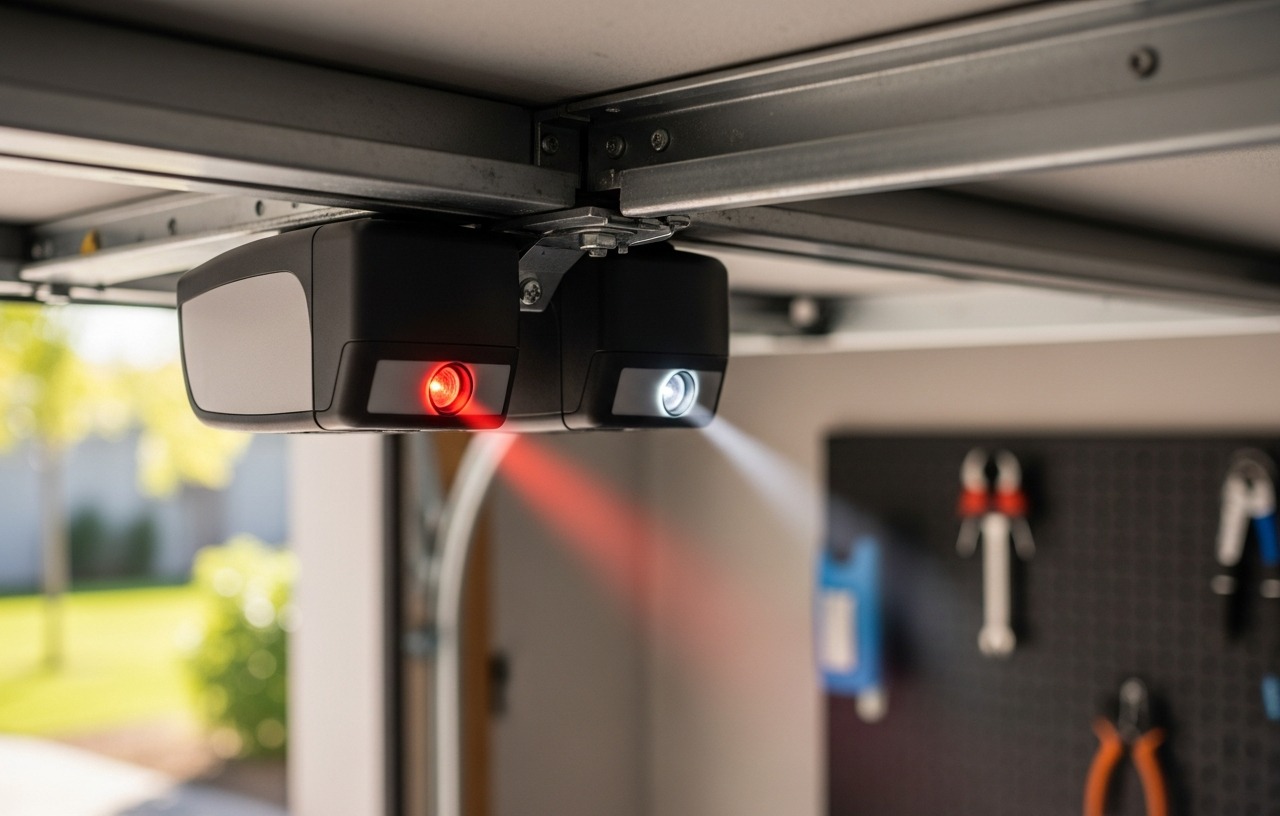
Garage door photo eye sensors operate as a pair, positioned on opposite sides of the garage door opening. One unit acts as a transmitter, emitting a narrow infrared light beam. The other unit functions as a receiver, designed to detect that specific beam. For the garage door to operate normally and close fully, the receiver must continuously detect the beam from the transmitter. Any break in this connection signals an obstruction.
Components of the System
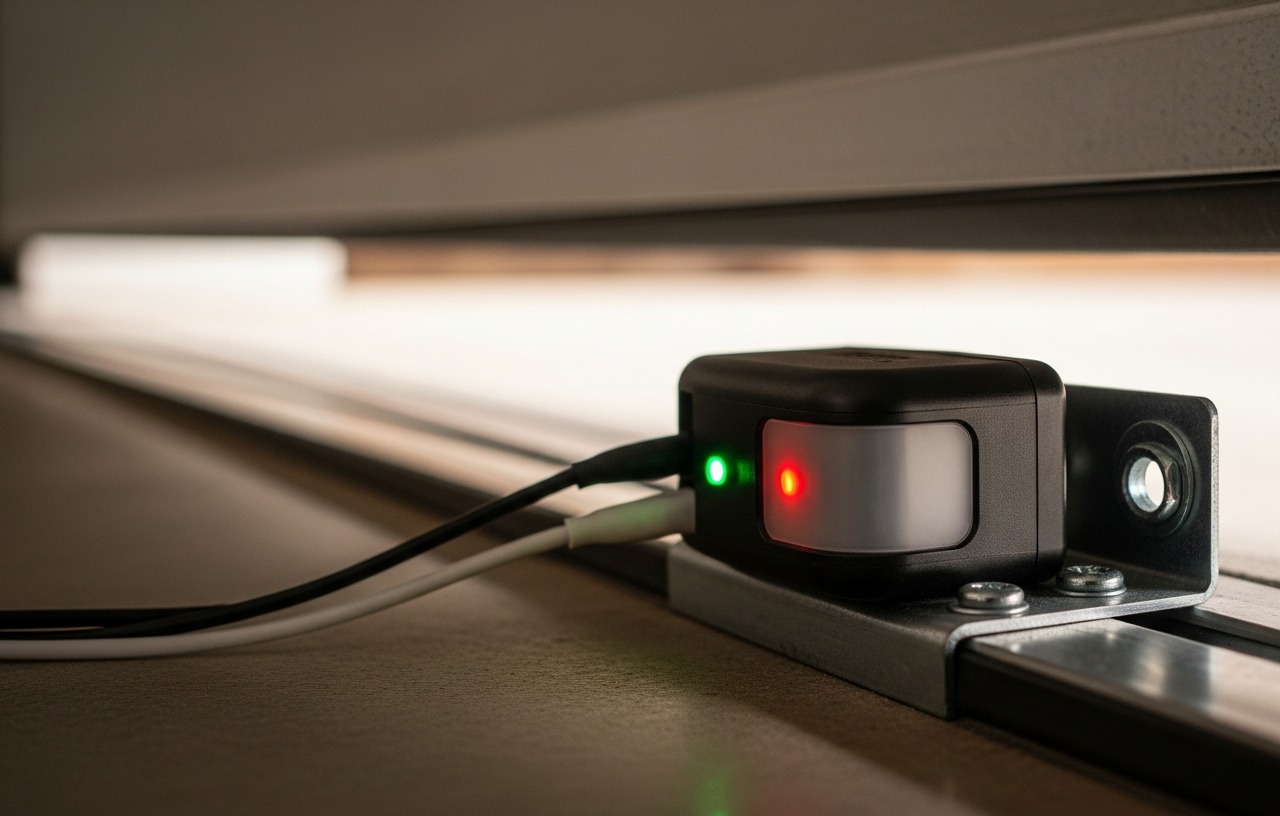
- Transmitter: This sensor contains an infrared LED that sends out an invisible light beam. It typically has a steady amber or red indicator light, confirming it is powered and emitting the beam.
- Receiver: This sensor contains a photodiode that detects the infrared beam. It usually has a steady green indicator light when properly aligned and receiving the beam. If the light is off, blinking, or red, it indicates a problem with alignment or an obstruction.
- Wiring: Low-voltage wires connect both sensors to the garage door opener motor unit. These wires supply power and transmit signals.
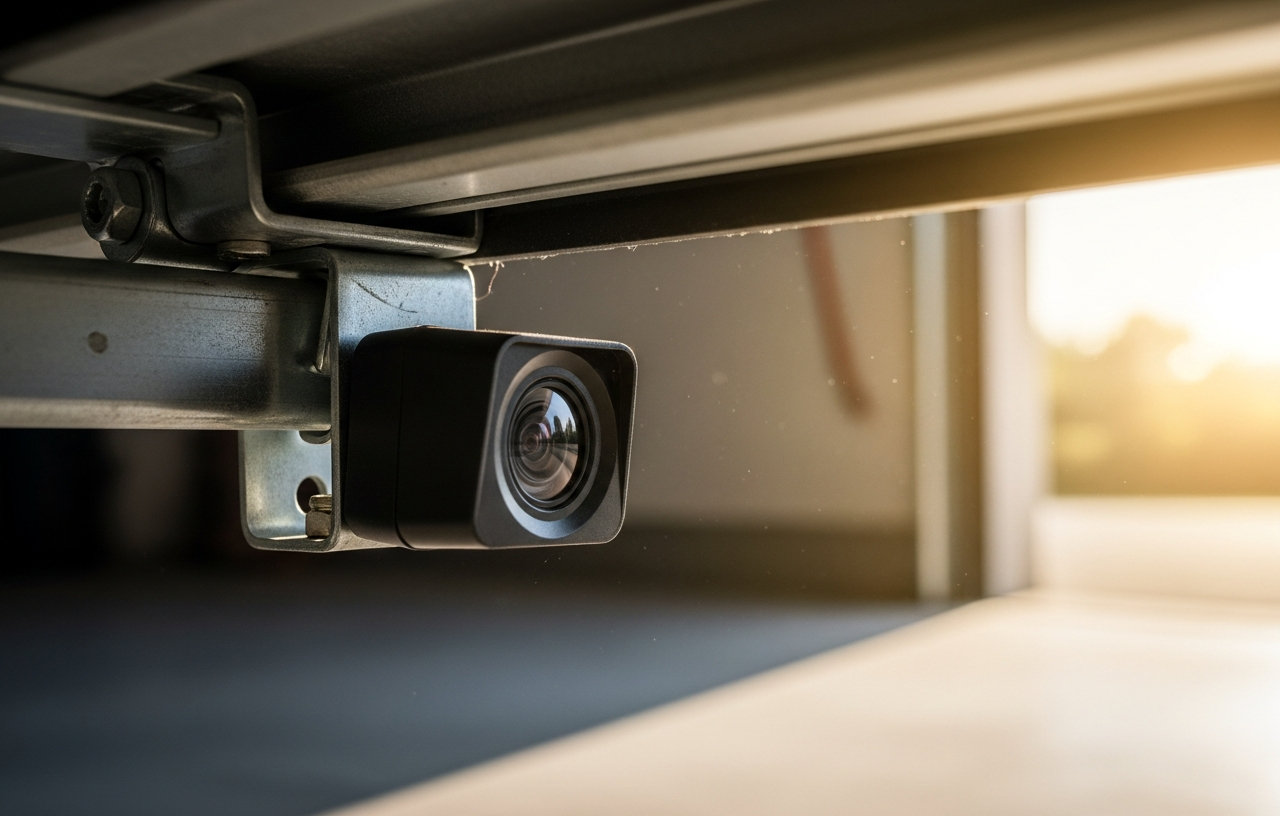
- Brackets: Metal or plastic brackets mount the sensors securely to the garage door tracks or the wall, ensuring they remain at the correct height and alignment.
How Garage Door Photo Eye Sensors Work
When you activate your garage door opener to close the door, the opener first checks the status of the safety sensors. If the receiver sensor reports a clear path, meaning it is receiving the infrared beam from the transmitter, the opener proceeds to lower the door. If the beam is broken at any point during the door's descent, the opener immediately stops the downward motion and reverses the door to its fully open position. This prevents the door from exerting crushing force on anything in its path.
For example, if a child runs under a closing garage door, their body interrupts the infrared beam. The receiver instantly loses the signal, triggering the opener's safety mechanism. The door stops and reverses, preventing an accident. This entire process occurs within milliseconds, reacting quickly to potential hazards.
Why Photo Eye Sensors Are Important for Garage Door Safety
The importance of functioning photo eye sensors cannot be overstated. They are the primary safety feature designed to prevent severe injuries and fatalities associated with automatic garage doors. Before 1993, many garage door openers lacked this reversing mechanism, leading to tragic accidents. The federal mandate, specifically Underwriters Laboratories (UL) Standard 325, made these safety sensors compulsory for all new garage door openers sold in the United States. This standard requires that any garage door opener manufactured after January 1, 1993, must include an external entrapment protection system, with photo eye sensors being the most common and effective implementation.
Beyond human safety, these sensors protect property. A closing garage door can cause significant damage to vehicles, bicycles, or other items left in its path. For instance, if a homeowner forgets a toolbox under the door, the sensors prevent the door from crushing it, saving repair costs for both the door and the damaged item. This preventative measure extends the life of the garage door system by avoiding unnecessary stress and impact damage.
Common Problems with Garage Door Photo Eye Sensors
Despite their critical function, photo eye sensors are susceptible to several common issues that can prevent your garage door from closing. Recognizing these problems helps in quick diagnosis and resolution.
- Misalignment: This is the most frequent cause of sensor problems. Even a slight bump or vibration can shift a sensor, causing the infrared beam to miss its target. The receiver will then fail to detect the beam.
- Obstructions: Anything blocking the beam, no matter how small, will cause the door to reverse. This includes leaves, spiderwebs, dust, small toys, or even direct sunlight shining into the receiver lens.
- Dirty Lenses: Over time, dust, grime, and moisture can accumulate on the sensor lenses, obscuring the infrared beam. This is especially true in dusty garage environments or areas with high humidity.
- Wiring Issues: The low-voltage wires connecting the sensors to the opener can become damaged. This might involve frayed wires, loose connections at the sensor or motor unit, or wires chewed by pests.
- Power Problems: While less common for the sensors themselves, a power outage or a tripped circuit breaker affecting the entire garage door opener system will render the sensors inoperable, as they require power to function.
- Sunlight Interference: Direct sunlight hitting the receiver lens can sometimes overload its sensor, making it unable to distinguish the transmitter's infrared beam from the sun's natural infrared radiation. This often happens at specific times of day.
- Sensor Failure: Although rare, a sensor unit can fail due to age, manufacturing defect, or physical damage. If one sensor unit completely stops working, it will not emit or receive the beam, leading to a fault.
Troubleshooting Garage Door Photo Eye Sensor Issues
Many sensor problems are simple to fix and do not require a professional technician. Here is a step by step approach to troubleshooting.
Check Indicator Lights
Begin by observing the indicator lights on both sensors. The transmitter (sending) sensor typically has an amber or red light that should be solid. The receiver (detecting) sensor usually has a green light that should be solid when aligned. If the green light is off, blinking, or red, it confirms a problem with the beam connection.
Clear Obstructions
Visually inspect the path between the two sensors. Remove any leaves, debris, cobwebs, or small objects. Make sure nothing is hanging down that could briefly interrupt the beam. Even a dangling wire from a bicycle parked near the door could be the culprit.
Clean the Lenses
Use a soft, clean cloth to gently wipe the lenses of both sensors. Avoid abrasive cleaners. A mild glass cleaner can be used if necessary, but make sure to dry the lenses thoroughly. Dirt or smudges can significantly weaken the infrared signal.
Align the Sensors
Misalignment is the most common issue. Carefully adjust the position of each sensor. Many sensors have small wings or adjustments on their brackets. Gently bend the brackets or loosen the mounting screws to pivot the sensor until the receiver's green light becomes solid. Some models have a small LED on the receiver that glows brightest when perfectly aligned. For a detailed guide, refer to How to Align Garage Door Sensors in 5 Minutes.
When aligning, make small adjustments to one sensor at a time. The goal is a steady green light on the receiving sensor, indicating a strong, uninterrupted beam.
Inspect Wiring
Examine the low-voltage wires running from each sensor to the garage door opener motor unit. Look for any visible damage, such as nicks, cuts, or frayed insulation. Check the connections at both the sensor terminals and the motor unit. Loose connections can often be tightened with a screwdriver. If a wire is damaged, it might need to be spliced or replaced. For broader troubleshooting, you might find help in Garage Door Sensor Not Working? Align and Fix It in 10 Minutes.
Address Sunlight Interference
If the problem occurs only at certain times of day, direct sunlight might be interfering. You can try installing a small shield or hood over the receiver sensor to block direct sun rays without obstructing the infrared beam from the transmitter. Some manufacturers offer sensor shields, or you can craft a simple one from cardboard or plastic.
When to Replace Photo Eye Sensors
If you have tried all troubleshooting steps and the sensors still do not work correctly, replacement might be necessary. Physical damage, such as a cracked lens or a broken mounting bracket, often warrants replacement. Sensors can also simply fail due to age or internal component degradation, though this is less common than alignment or obstruction issues. When replacing, ensure you purchase sensors compatible with your specific garage door opener brand and model.
DIY vs. Professional Repair
Most photo eye sensor issues, especially misalignment and cleaning, are well within the capabilities of a DIY homeowner. The cost for new sensors is typically $30-$60 for a pair, and installation involves basic wiring and mounting. If you suspect a wiring issue beyond a simple loose connection, or if you have replaced the sensors and the problem persists, it may be time to call a professional garage door technician.
A service call from a garage door professional typically costs $80-$150. This fee usually covers diagnosis and minor adjustments. Additional labor for wire replacement or sensor installation might add $50-$100 to the total, plus the cost of parts if the technician supplies them. For a wider range of issues, consult Garage Door Won't Open? 8 Causes and How to Fix Each One.
Maintenance Tips for Photo Eye Sensors
Regular, simple maintenance can prevent many common sensor problems. Periodically check the alignment of your sensors, especially after any impact near the garage door. Clean the lenses every few months, or more often if your garage is particularly dusty. Quickly remove any debris or spiderwebs that accumulate near the sensors. Make sure the sensor wires are securely fastened and not dangling where they could be snagged or damaged. These small steps help maintain the safety and functionality of your garage door system.
Understanding the function and common issues of garage door photo eye sensors empowers homeowners to address many problems independently. These small components play a monumental role in the safe operation of your garage door, protecting both property and lives.