A loud snap, followed by a garage door hanging crookedly or refusing to open, often signals a broken cable. This common issue requires immediate attention to restore full functionality and safety. For homeowners considering a DIY approach, the cables themselves typically cost between $30 and $70. However, the inherent dangers of working with garage door springs mean professional intervention is often the safer, smarter choice.
Why Garage Door Cables Break
Garage door cables are under constant tension, supporting the door's weight as it moves up and down. Over time, this stress causes wear and tear. Several factors contribute to cable failure:
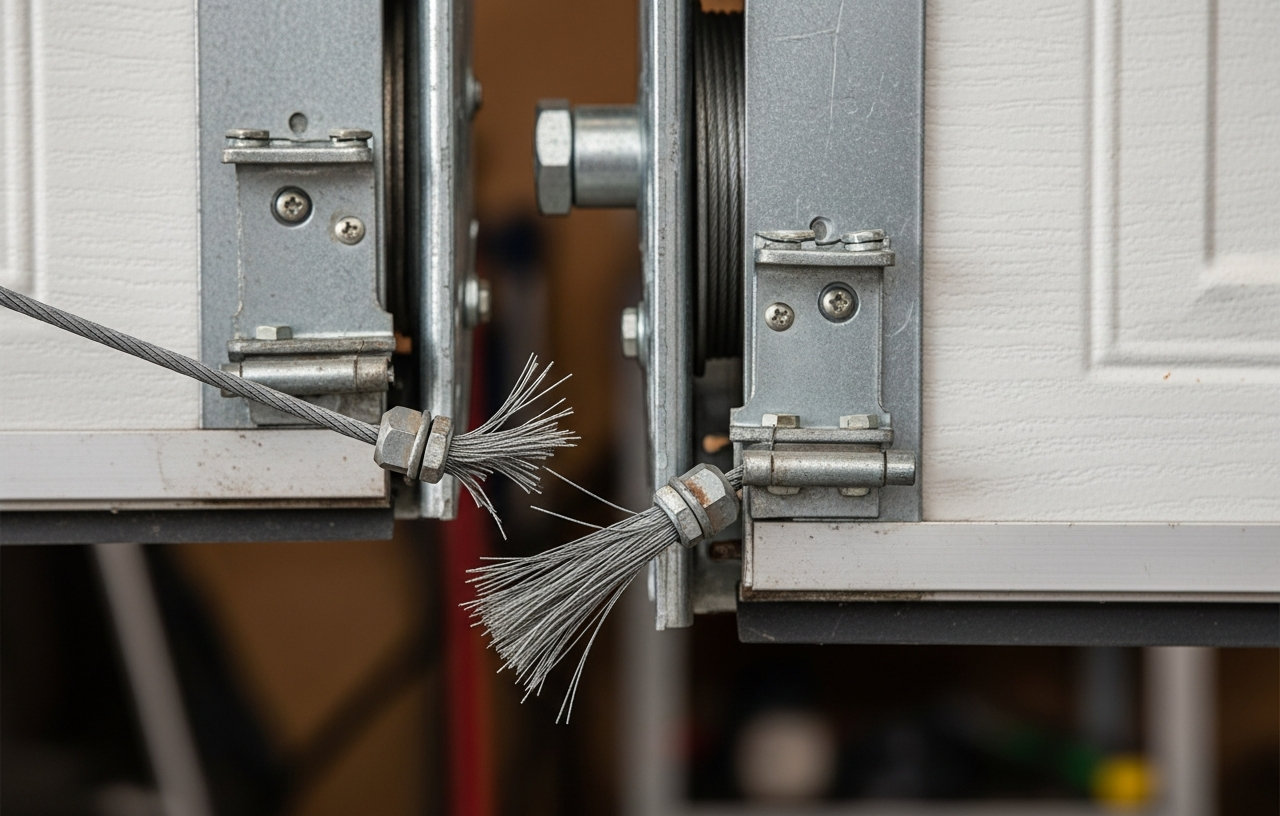
- Fraying and Rust: Cables are typically steel. Exposure to moisture, especially in humid garages, leads to rust, weakening the strands. Regular use causes the cables to rub against pulleys, leading to fraying.
- Improper Installation: If cables are not installed correctly, they can rub against other components or become unevenly tensioned, accelerating wear.
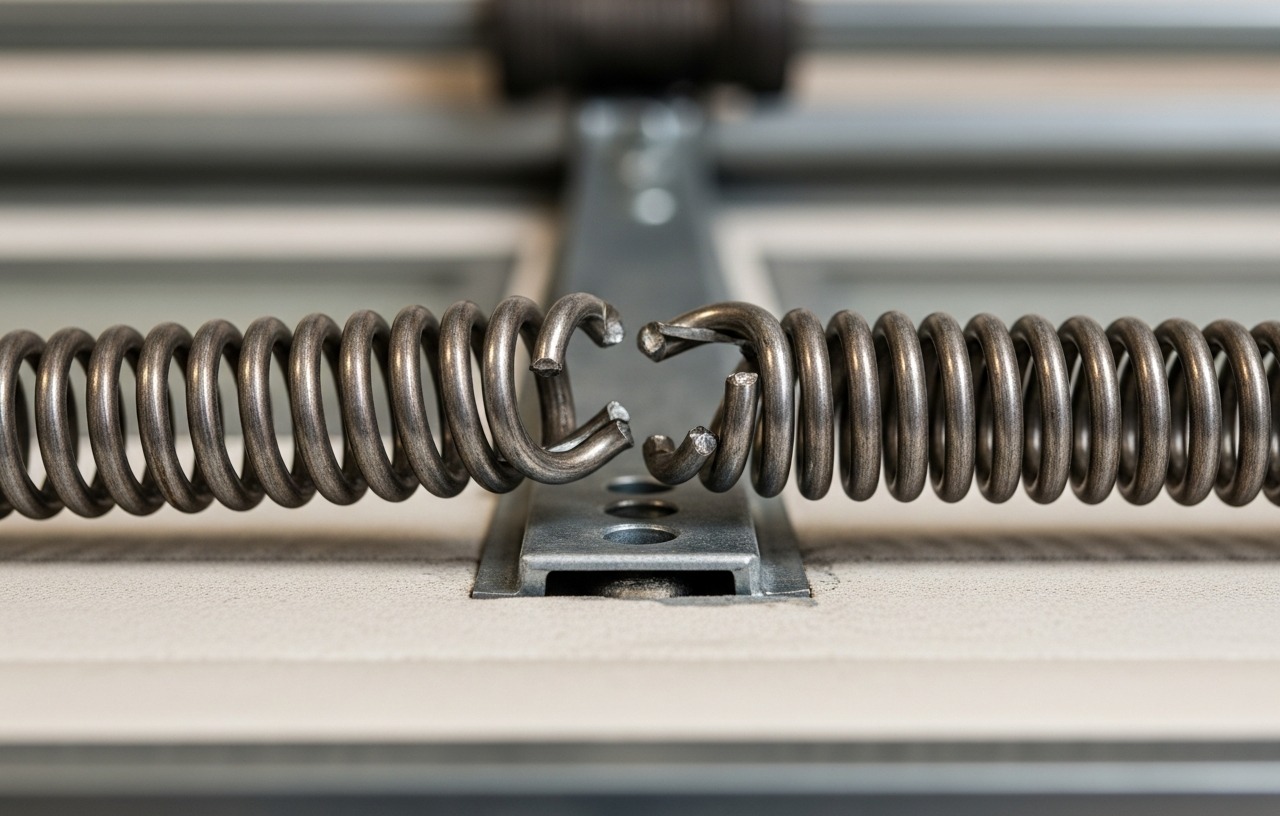
- Spring Failure: A broken torsion or extension spring places excessive strain on the cables, often causing them to snap shortly after the spring breaks. When a spring breaks, the door becomes much heavier, and the cables bear the full load. If your garage door spring is broken, inspect the cables immediately.
- Obstructions: If the garage door encounters an obstruction while closing, the sudden stop can put extreme force on the cables, causing them to jump off the drum or break.
- Age: Like any mechanical component, garage door cables have a lifespan. Most last 8 to 15 years, depending on usage and maintenance.
DIY Garage Door Cable Replacement Cost
Replacing garage door cables yourself can save on labor costs. However, this repair involves significant risk, especially with torsion spring systems. Homeowners should only attempt this if they are experienced with garage door mechanics and understand the dangers of working with high-tension springs.
Parts Cost:
- Replacement Cables: Expect to pay $30 to $70 for a pair of new cables. Prices vary based on the length, thickness, and material of the cables. You can find these online or at specialized hardware stores.
- Cable Drums (if damaged): If the cable jumped off the drum and bent it, or if the drum is worn, you might need to replace the drums as well. A pair of drums costs $40 to $80.
Tools You Might Need:
You likely already own some of these tools. If not, consider the purchase cost, which adds to your total DIY expense:
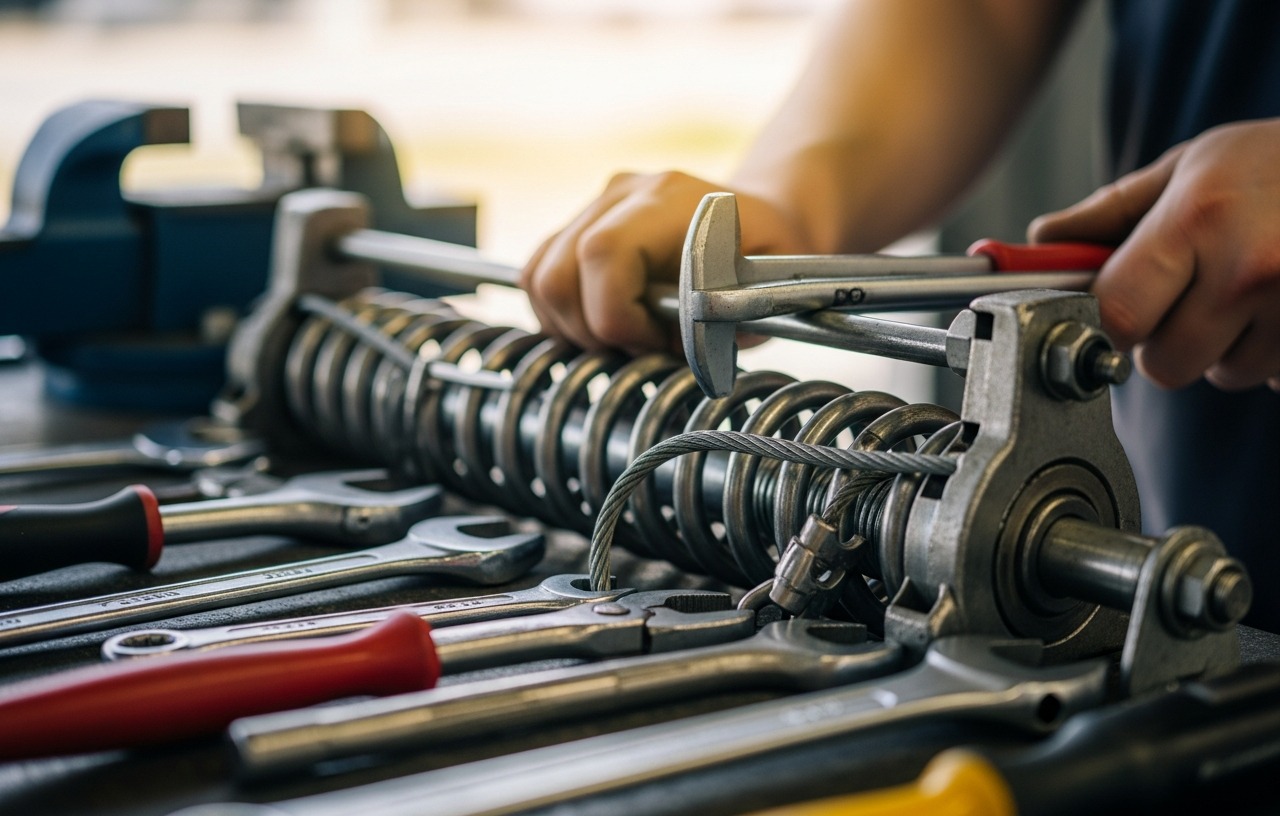
- Wrench Set: For loosening and tightening bolts.
- Vise Grips or C-Clamps: Essential for securing the door and holding the shaft.
- Winding Bars (for torsion springs): These are specialized tools required to safely tension and de-tension torsion springs. A pair costs $20 to $40. Never use screwdrivers or other makeshift tools for this purpose; they can cause serious injury.
- Safety Glasses and Gloves: Always wear appropriate personal protective equipment.
The total DIY cost, assuming you only need cables and possibly winding bars, typically falls between $50 and $110. This assumes no major issues arise and you already possess basic tools.
Professional Garage Door Cable Replacement Cost
Hiring a professional garage door technician is the safest option for cable replacement, particularly for torsion spring systems. Experts have the specialized tools, training, and experience to perform the job safely and correctly. This service typically takes 1 to 2 hours.
Cost Breakdown for Professional Service:
- Service Call Fee: Most technicians charge a service call fee, which covers their travel and initial diagnosis. This usually ranges from $80 to $150. Some companies waive this fee if you proceed with the repair.
- Labor: Labor rates vary by region and company, generally falling between $70 and $150 per hour. Cable replacement usually takes 1 to 2 hours.
- Parts: The cost of the cables themselves (a pair) is usually $30 to $70, which the technician will include in the total price.
Combining these elements, the average cost to replace garage door cables professionally is $150 to $300. This price reflects the expertise, safety, and convenience of having the job done by a trained individual.
Factors Influencing the Total Cost
Several variables can affect the final price you pay for garage door cable replacement.
Type of Spring System
The most significant factor is the type of spring system your garage door uses:
- Torsion Springs: These are mounted horizontally above the garage door opening. They are under extreme tension and require specialized tools (winding bars) and knowledge to adjust safely. Replacing cables on a torsion system is inherently more dangerous for DIYers, making professional service highly recommended. Labor costs may be slightly higher due to the complexity and risk involved.
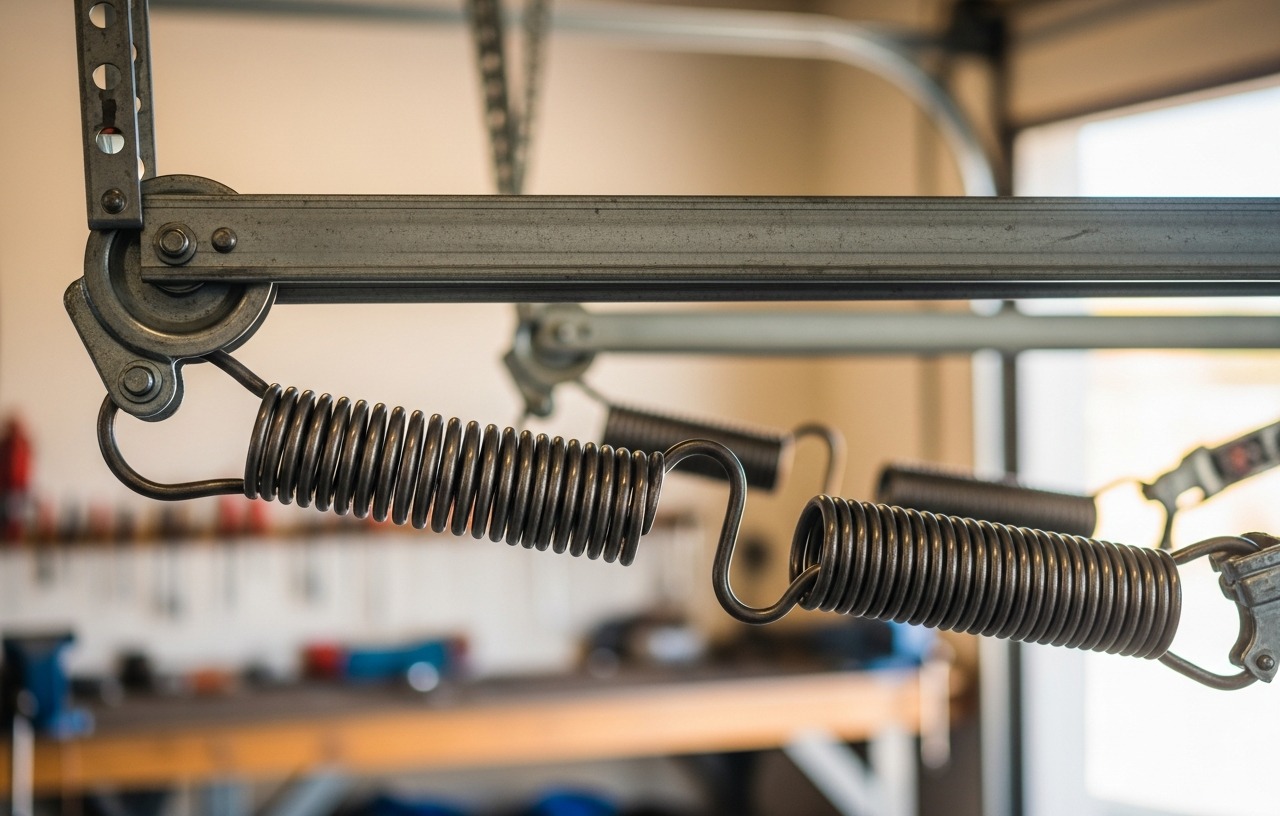
- Extension Springs: These run parallel to the horizontal tracks on either side of the door. While still under tension, they are generally considered less dangerous to work with than torsion springs. DIY replacement is more feasible here, provided proper safety precautions are followed.
Number of Cables Replaced
Even if only one cable appears broken, technicians almost always recommend replacing both cables. Cables wear at similar rates, and replacing just one means the other is likely to fail soon. Replacing both ensures balanced tension and prevents future problems, although it slightly increases the parts cost.
Door Size and Weight
Heavier, larger garage doors require thicker, stronger cables. These specialized cables might cost slightly more than standard ones. The increased weight also means a more challenging job for technicians, potentially affecting labor time.
Emergency Service
If your garage door is stuck open or completely inoperable, you might need emergency service. Many companies charge an additional fee, typically $50 to $100, for after-hours, weekend, or holiday calls.
Additional Damaged Components
Sometimes, a broken cable is not an isolated incident. The cable might have snapped because of a worn pulley, a damaged cable drum, or even a failing spring. If other components need replacement, your total cost will increase. For example, replacing a garage door spring can add $200 to $400 to the overall repair.
When to DIY and When to Call a Professional
Deciding whether to tackle this repair yourself or hire an expert depends on several factors: your skill level, the type of spring system, and your comfort with risk.
DIY is an Option If:
- You have an extension spring system. These are less dangerous to work with.
- You have experience with mechanical repairs and understand garage door operation.
- You own or are willing to purchase the necessary safety tools, like winding bars for torsion systems, and know how to use them correctly.
- You are comfortable following detailed safety instructions meticulously.
Hire a Professional If:
- You have a torsion spring system. The high tension in these springs makes DIY extremely hazardous without specialized training and tools.
- You lack experience with garage door repairs or feel unsure about any step of the process.
- The cables are tangled, wrapped around the drum incorrectly, or other components appear damaged.
- You value safety and want the job done right the first time, with a warranty on parts and labor.
- Your garage door is old, very heavy, or shows signs of extensive wear beyond just the cables. If your garage door won't open at all, and you suspect cables or springs, a professional diagnosis is wise.
Working with garage door springs and cables can be dangerous. Springs store immense mechanical energy. Improper handling can lead to severe injury, including broken bones or worse. Safety should always be your top priority.
Preventative Measures to Extend Cable Lifespan
Regular maintenance can help prevent premature cable failure and avoid unexpected repair costs.
- Lubrication: Apply a silicone-based lubricant to the cables and pulleys periodically. This reduces friction and prevents rust.
- Visual Inspection: Regularly check your cables for signs of fraying, rust, or loose strands. Catching issues early can prevent a full break.
- Balance Test: Disconnect the opener and manually lift the door halfway. It should stay in place. If it sags, the springs or cables might be out of balance, indicating a need for adjustment.
- Avoid Obstructions: Make sure the path of your garage door is clear before operating it. Obstructions can stress the entire system, including the cables.
Understanding the average cost to replace garage door cables helps you make an informed decision. While DIY can save money, the potential for serious injury makes professional repair a worthwhile investment for many homeowners. Always prioritize safety when dealing with garage door repairs.