
MorningRo heavy duty Double-Looped Garage Door Extension Springs Bundle 160 lb (Brown) Springs, 3" Pulleys, and Extension Cables for 7' Feet
- Complete Solution for Enhanced Functionality: upgrade your 7-foot garage door with our comprehensive heavy duty double-looped garage door extension parts kit; This set ensures boosted performance with garage door extensi
- Optimal Tension with Extension Springs: ensure your garage door's performance with garage door Extension parts; Our heavy duty garage door parts include a single 110-pound gauge 3.8mm extension spring, providing optimal
- Smooth Movement with heavy duty Rollers: experience seamless operation with our four 3-inch heavy duty garage door parts rollers; Crafted for efficiency, these rollers facilitate your garage door's smooth glide along the
- Enhanced Support with Dual Extension Cables: our kit includes two durable garage door cable hardware extensions, tailored for 7-foot garage doors; These cables add robust support and stability, significantly increasing y
- Built to Last with Quality Materials: every component in our garage door parts kit is made from grade durable steel materials, promising long-lasting performance; This heavy duty garage door parts collection is engineere
A garage door that drifts downward when you release it halfway open, or one that feels heavy to lift manually, indicates an imbalance in its extension springs. This common problem places undue stress on your garage door opener and can pose a safety risk. An unbalanced door can fall unexpectedly, causing injury or damage. Properly balancing your garage door ensures it operates smoothly, stays in position when opened, and protects the opener from premature wear.
Understanding Extension Springs
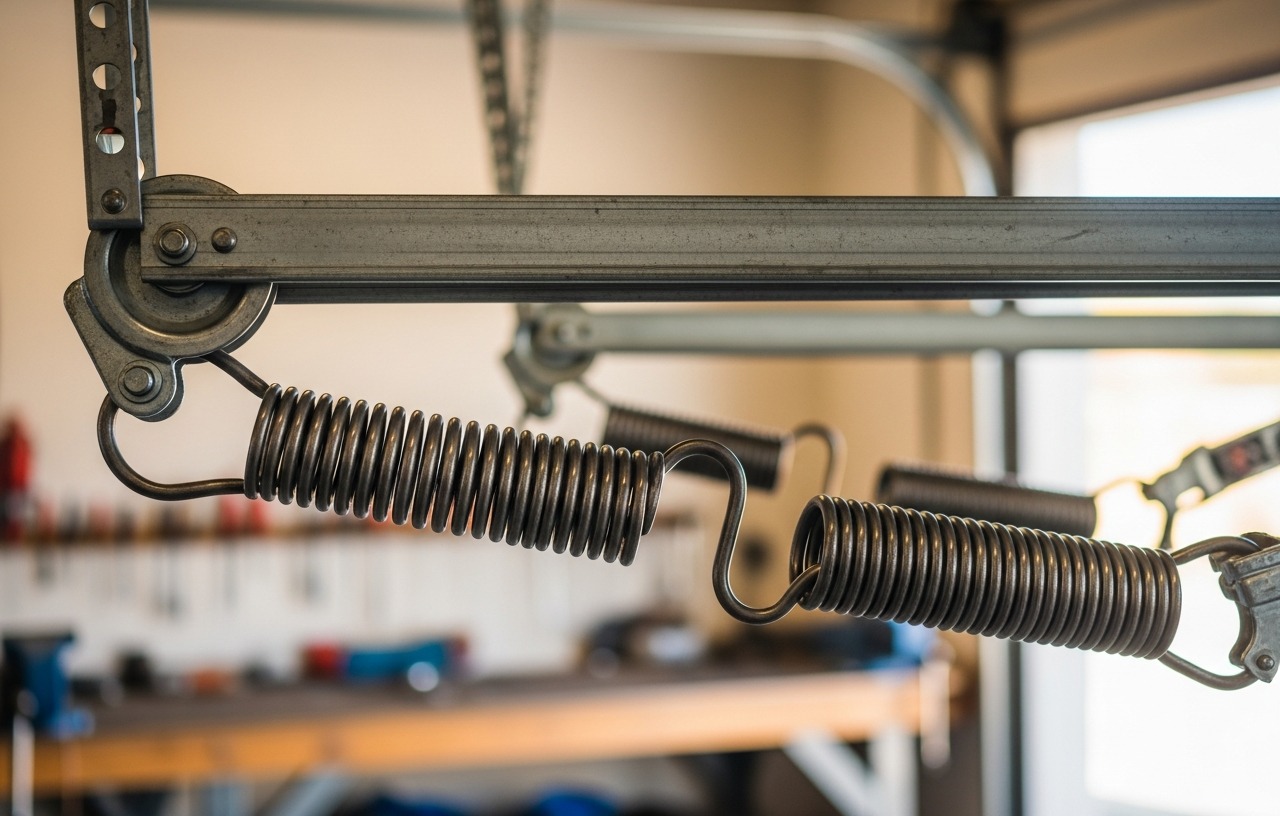
Extension springs are located above the horizontal tracks on both sides of your garage door. They work by stretching and contracting to counterbalance the door's weight. These springs connect to a pulley system with cables that run along the tracks and attach to the bottom of the door. When the door closes, the springs extend, storing energy. When the door opens, the springs contract, releasing that energy to assist in lifting the door. This system differs significantly from torsion springs, which are mounted above the door opening on a metal shaft. Balancing extension springs involves adjusting their tension, not winding them with bars like torsion springs. For a deeper understanding of these components, consider reading our article, Understanding Garage Door Extension Springs: Function and Lifespan.
Why Balancing Your Garage Door Matters
A correctly balanced garage door is vital for several reasons. First, it is a safety measure. An unbalanced door can slam shut unexpectedly, potentially causing severe injury to anyone in its path. Second, it reduces strain on your garage door opener. If the springs are not doing their job, the opener motor works harder, leading to faster wear and potential breakdowns. Third, proper balance contributes to the overall longevity of your garage door system, including rollers, hinges, and cables. It helps prevent damage to these components by distributing the door's weight evenly.
Signs Your Garage Door Needs Balancing
Several indicators suggest your garage door's extension springs require balancing. The most obvious sign is if the door does not stay put when you lift it manually and release it around waist height. A balanced door should remain stationary at any point in its travel. Other signs include the door opening or closing too quickly or too slowly, a visible sag on one side of the door, or unusual grinding or straining noises coming from the opener. If you notice any of these symptoms, addressing the balance issue promptly is important.
Safety First: Essential Precautions
WARNING: Garage door springs are under extreme tension. Attempting to work with them without proper precautions can result in serious injury or death. If you are uncomfortable performing this repair, or if the springs appear broken or severely damaged, contact a qualified garage door technician. Always wear safety glasses and heavy duty work gloves. Make sure no one else is in the work area. Never attempt to work on springs alone. Disconnect power to your garage door opener before starting any work.
Tools and Materials You Will Need
Before you begin balancing your garage door extension springs, gather the following tools and materials:
- Two C-clamps or sturdy vise grips
- Adjustable wrench or a socket set
- Measuring tape
- Stepladder
- Silicone-based lubricant spray
- Optional: Replacement extension springs, cables, or pulleys if your inspection reveals significant wear or damage. If you find your springs or associated hardware are worn, consider a complete solution like the MorningRo heavy duty Double-Looped Garage Door Extension Springs Bundle. This kit provides heavy duty double-looped springs, durable 3-inch pulleys, and extension cables, designed for 7-foot garage doors. Researched from user reviews, this bundle offers enhanced functionality and smooth movement.
step by step Guide: How to Balance Garage Door Extension Springs
Follow these steps carefully to balance your garage door's extension springs.
Step 1: Disengage the Garage Door Opener (5 minutes)
The first step is to disconnect your garage door from its opener. This prevents accidental operation while you work. Locate the red emergency release cord hanging from the opener's trolley. Pull this cord straight down and then back towards the opener motor. This will disengage the door, allowing you to operate it manually. Test the manual operation by lifting the door a few feet. It should move freely without the opener engaging.
Step 2: Open the Door Manually and Secure It (5 minutes)
Carefully lift the garage door manually until it is in the fully open position. Once open, secure the door to prevent it from closing accidentally. Use two C-clamps or sturdy vise grips. Place one clamp on each vertical track, just below the bottom roller of the door. This will hold the door safely in the open position while you prepare for inspection.
Step 3: Inspect Springs, Pulleys, and Cables (10-15 minutes)
With the door open and secured, perform a thorough visual inspection of your extension springs, pulleys, and cables. Look for signs of wear, damage, or rust. Check the springs for any visible stretching, gaps between coils, or corrosion. Examine the pulleys to make sure they are not cracked, bent, or seized. Verify that the cables are properly routed through the pulleys and are not frayed, kinked, or broken. A broken spring requires immediate replacement. If you suspect a broken spring, refer to Broken Garage Door Spring: What to Do Right Now (And What Not To) for guidance.
Step 4: Lower the Door to the Halfway Point (5 minutes)
Carefully remove the C-clamps from the tracks. Slowly lower the garage door manually until it is approximately halfway open, around waist height. Re-secure the door in this position using your C-clamps or vise grips on both tracks, just below the bottom rollers. This halfway point is where you will test the door's balance and make adjustments.
Step 5: Adjust Spring Tension (30-60 minutes)
The core of balancing involves adjusting the tension on your extension springs. Each extension spring has an S-hook or C-hook at one end that connects to a hole on a horizontal track bracket. To increase tension, move the S-hook to a hole further back on the track bracket. To decrease tension, move it to a hole closer to the door opening. Make small adjustments, moving the hook one hole at a time. If one side of the door sags, add tension to that side's spring. If one side feels too light, decrease tension. Use your adjustable wrench or socket set to loosen and tighten the bolts that secure the S-hook to the bracket, if applicable. Take your time with this step. Precise, incremental adjustments yield the best results.
Step 6: Test the Balance (10 minutes)
After making an adjustment, remove the clamps and carefully lift the door manually. Release the door at various heights, such as one-quarter, halfway, and three-quarters open. A properly balanced door should remain stationary at any of these points. It should not drift up or down. Pay attention to how heavy or light the door feels as you lift and lower it. If it still feels heavy or light on one side, repeat Step 5. Continue making small adjustments until the door feels balanced and stays put. It should also lower slowly and smoothly, without slamming.
Step 7: Re-engage the Opener and Lubricate (5-10 minutes)
Once you are satisfied with the door's balance, re-engage the garage door opener. To do this, pull the emergency release cord towards the door and then push the trolley back into place until it locks onto the opener's rail. You may need to run the opener once or twice to fully re-engage it. Test the door's operation using your remote control. Finally, apply a silicone-based lubricant to the extension springs, rollers, and hinges. This helps reduce friction, quiet operation, and extend the lifespan of these components.
What If Your Springs are Broken or Damaged?
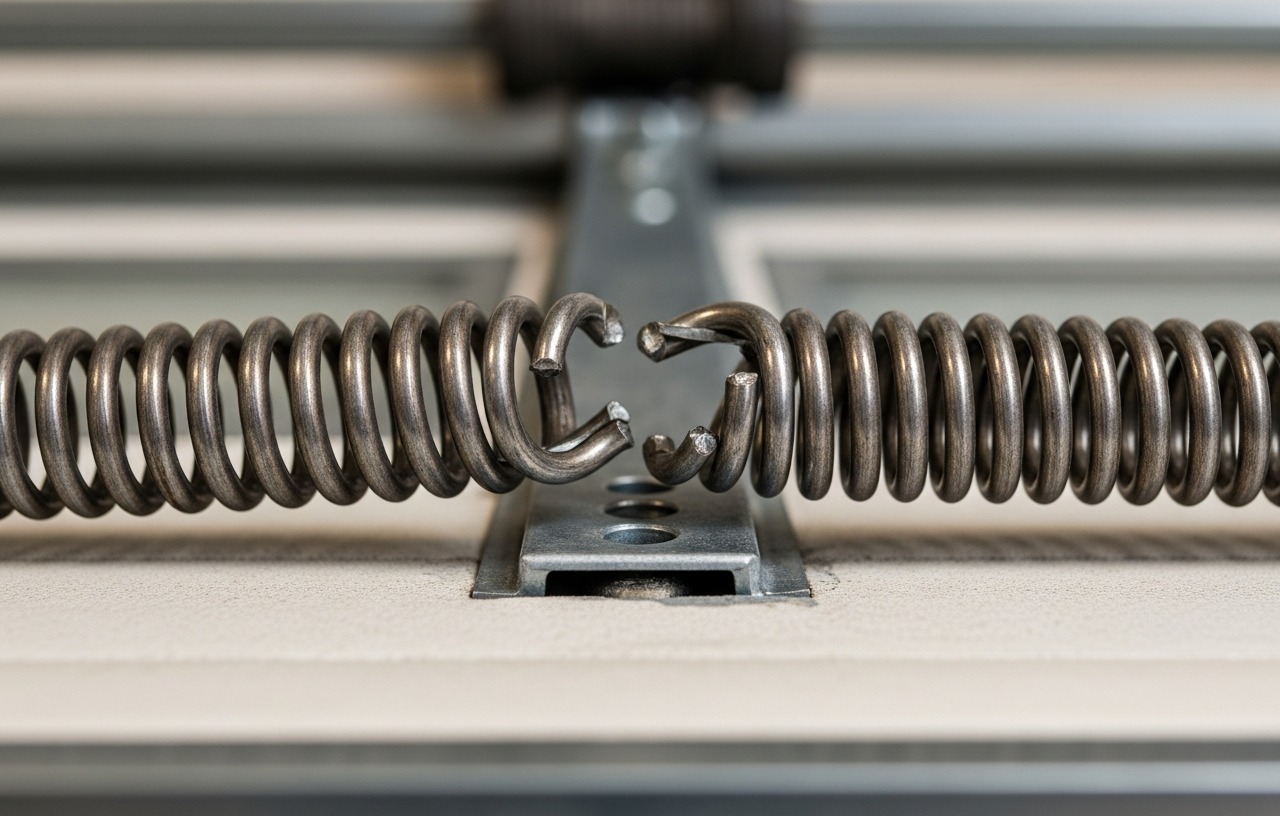
If your inspection revealed a broken extension spring, do not attempt to balance it. A broken spring cannot hold tension and must be replaced. Attempting to work with a broken spring is extremely dangerous. Similarly, if the springs are severely corroded, bent, or have visible gaps between coils, they should be replaced rather than adjusted. For information on the costs associated with spring replacement, refer to our guide on .
When to Call a Professional
While balancing extension springs is a task many homeowners can handle, there are situations where calling a professional is the best course of action. If you feel uncomfortable at any point during the process, or if the springs are broken, severely damaged, or you cannot achieve proper balance after multiple attempts, contact a qualified garage door technician. Professional service calls typically run $80-$150.
Conclusion
A properly balanced garage door with extension springs provides safe, reliable operation and extends the life of your entire system. By understanding the signs of imbalance, taking essential safety precautions, and following these detailed steps, you can restore your garage door to optimal working condition. Remember, safety is always the top priority. Do not hesitate to seek professional help if the task feels beyond your comfort level or expertise.
MorningRo heavy duty Double-Looped Garage Door Extension Springs Bundle 160 lb (Brown) Springs, 3" Pulleys, and Extension Cables for 7' Feet
- Complete Solution for Enhanced Functionality: upgrade your 7-foot garage door with our comprehensive heavy duty double-looped garage door extension parts kit; This set ensures boosted performance with garage door extensi
- Optimal Tension with Extension Springs: ensure your garage door's performance with garage door Extension parts; Our heavy duty garage door parts include a single 110-pound gauge 3.8mm extension spring, providing optimal
- Smooth Movement with heavy duty Rollers: experience seamless operation with our four 3-inch heavy duty garage door parts rollers; Crafted for efficiency, these rollers facilitate your garage door's smooth glide along the
- Enhanced Support with Dual Extension Cables: our kit includes two durable garage door cable hardware extensions, tailored for 7-foot garage doors; These cables add robust support and stability, significantly increasing y
- Built to Last with Quality Materials: every component in our garage door parts kit is made from grade durable steel materials, promising long-lasting performance; This heavy duty garage door parts collection is engineere